Subbarao’s UPSC 2.0 Exam Reforms: Trimming Attempts, Reviving Youth & Adding a Mid-Career IAS Gateway

Strategy

UPSC Prelims

Current affairs

Latest Update

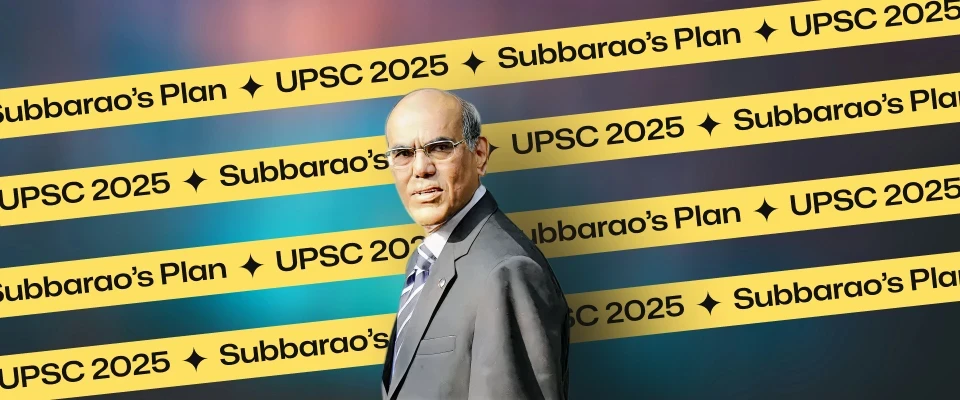
A man in formal attire stands in front of a colorful background overlaid with yellow caution tape-style banners reading 'Subbarao’s Plan ✦ UPSC 2025' repeated across the image.

Introduction

Introduction

The Union Public Service Commission (UPSC) Civil Services Examination funnels roughly 1 million aspirants into a competition for barely 1,000 seats each year. While the intensity of the exam is legendary, former RBI Governor Duvvuri Subbarao warns that the process—unchanged in spirit since the early 1990s—now causes a “colossal waste of productive years.” In a Times of India op-ed (May 2025), he outlines bold reforms to UPSC exam rules that seek to balance youthful dynamism with seasoned expertise—and to save thousands from a half-decade grind that often ends in career limbo.

Why the UPSC Needs a Second Make-Over

India’s civil-service gateway has evolved only twice in 50 years: the Kothari reforms (1979) created a multi-paper GS and the Subbarao committee (2010) introduced CSAT and the ethics paper. Yet aspirant numbers have quadrupled, coaching costs have exploded, and repeat attempts can now stretch to age 32—far longer than in OECD bureaucracies. Subbarao argues that these factors:

  • Perpetuate the “sunk-cost fallacy,” locking youths into an exam spiral.

  • Channel scarce STEM and MBA talent away from innovation and into year-long test prep.

  • Encourage exam-technique “gaming” rather than genuine public-policy insight.

“If ten bright graduates sink five years each, India loses a half-century of talent-hours in just one cohort,” he laments.

Join our WhatsApp Community

Pillar One — Cut Attempts, Compress the Age Band

Aspect

Current Policy

Subbarao’s Proposal

International Benchmarks

Attempts

6

3 total

UK Civil Service Fast-Stream: 2

Upper Age

32 yrs (gen.)

27 yrs

US Foreign Service: 37 but 3 attempts

Benefit

Extended shot but long prep loop

Forces clarity & early career pivot

Short, focused windows

Rationale

  • Merit Over Mastery: With six tries, coaching institutes can train a mediocre candidate to “crack the code.” Three tries favour innate aptitude.

  • Career Diversification Sooner: Unsuccessful aspirants exit by 27—still young for private-sector or higher-study paths.

  • Administrative Freshness: Officers join training at 23-24, gaining district field time before turning 30—vital for energetic implementation.

Possible Challenges

  • Rural candidates may require more than three attempts to bridge resource gaps.

  • Sudden policy change could disrupt thousands mid-prep; a phased roll-out is crucial.

UPSC Current Affairs Magazines

UPSC Current Affairs Magazines

Read Latest UPSC Current Affairs

Read Latest UPSC Current Affairs

Pillar Two — A Permanent Mid-Career IAS Entry (Age 40–42)

Subbarao envisions an annual Tier-2 examination—open to scientists, entrepreneurs, doctors, technologists and development professionals who have already demonstrated impact in their domains.

Key Design Points

  • Transparent Syllabus: Governance case studies, ethics, domain-specific policy paper.

  • Capped Intake: 10–15 % of annual IAS vacancies, ensuring core cadre remains youthful.

  • Fast-Track Training: A six-month policy boot camp at LBSNAA instead of two-year FC+Phase I schedule.

Benefits

  1. Sectoral Depth: Data-policy experts or urban-transport engineers can plug knowledge gaps in ministries.

  2. Diversity of Thought: Mid-career entrants reduce group-think and make the service more citizen-empathetic.

  3. Internal Competition: Younger IAS officers upskill continually, knowing experienced peers will join later.

Add as a preferred Source on Google

Retaining Youth Entry—but Making It Smarter

Subbarao stresses “raw enthusiasm and unspoiled enterprise” are still priceless. His blueprint targets process flaws, not the concept. Suggested upgrades:

  • Adaptive CSAT Scoring: Weight analytical questions higher than rote comprehension.

  • Digital & Climate Modules: Embed AI governance, cyber-risk, circular-economy principles into GS papers.

  • Structured Personality Test: Behavioural-based questions tied to the IAS competence framework; panel diversity rules to curb bias.

Macro Impact: What Does India Gain?

Road Ahead—Implementation Playbook

  1. White Paper & Stakeholder Consultations (DoPT, UPSC, states, student bodies).

  2. Pilot Tier-2 Exam with 100 seats, monitor performance vs. lateral-entry cohorts.

  3. Grace Period of three years: 6→5→4→3 attempts; age ceiling slides 32→30→27.

  4. Coaching-Light Strategy: Free UPSC prep modules on DIKSHA to level rural access.

  5. Annual Impact Audit: Parliament committee reviews recruit performance, refinements made.

What Aspirants Should Do Now

  • Plan for Three-Attempt Success: Treat 2025, 2026, 2027 as likely transition windows.

  • Diversify Skill Portfolio: Upskill in data, languages, or sectoral specialisations for Plan B or Tier-2 entry.

  • Follow Official Channels: PRS Legislative Briefs, PIB releases, and UPSC notices for timeline alerts.

  • Stay Mentally Agile: Even if reforms delay, a focused prep style always beats a prolonged, unfocused grind.

Frequently asked question (FAQs)

Frequently asked question (FAQs)

Frequently asked question (FAQs)

What reforms were proposed by Subbarao in the UPSC 2025 exam report?
How do these reforms aim to reduce exam stress?
What changes were suggested in Prelims?
What changes were proposed for Mains evaluation?
Why are these reforms relevant for UPSC aspirants?

Conclusion: A 21st-Century Civil Service Pipeline

Conclusion: A 21st-Century Civil Service Pipeline

Subbarao’s UPSC exam reform blueprint attacks two pain points—long gestation and skill homogeneity—without sacrificing the youthful zeal that powers Indian administration. By compressing attempts, lowering the age bar and opening a robust mid-career track, India can tap both the energy of the 20-something graduate and the wisdom of the 40-year-old professional. The proposal moves the Civil Services Examination from a marathon of attrition to a sprint of merit—and that, Subbarao argues, may be the quickest way to convert India’s demographic dividend into a governance goldmine.


Suggested blogs

How Many Attempts for UPSC CSE: General, OBC, SC/ST, EWS

UPSC allows 6 attempts for General/EWS, 9 for OBC, and unlimited for SC/ST within age limits. Check category-wise attempts, age criteria, and rules.

How Many Attempts for UPSC

UPSC allows 6 attempts for General/EWS, 9 for OBC, and unlimited for SC/ST within age limits. Check category-wise attempts, age criteria, and rules.

How Many Attempts for UPSC CSE: General, OBC, SC/ST, EWS

UPSC allows 6 attempts for General/EWS, 9 for OBC, and unlimited for SC/ST within age limits. Check category-wise attempts, age criteria, and rules.

How Many Attempts for UPSC

UPSC allows 6 attempts for General/EWS, 9 for OBC, and unlimited for SC/ST within age limits. Check category-wise attempts, age criteria, and rules.

UPSC Mains Result 2025 Out: Roll-Number & Name-Wise PDFs

Check UPSC Mains Result 2025: Download Roll Number & Name Wise Pdf, Get Official UPSC Update.

UPSC Mains Result 2025

Check UPSC Mains Result 2025: Download Roll Number & Name Wise Pdf, Get Official UPSC Update.

UPSC Mains Result 2025 Out: Roll-Number & Name-Wise PDFs

Check UPSC Mains Result 2025: Download Roll Number & Name Wise Pdf, Get Official UPSC Update.

UPSC Mains Result 2025

Check UPSC Mains Result 2025: Download Roll Number & Name Wise Pdf, Get Official UPSC Update.

Types of Forests in India: Tropical, Montane, Alpine and Features

India's 5 forest types: Tropical Evergreen, Deciduous, Montane, Alpine & Mangroves. Includes Distribution map, Key species, Conservation efforts and Climate zones.

Types of Forests in India

India's 5 forest types: Tropical Evergreen, Deciduous, Montane, Alpine & Mangroves. Includes Distribution map, Key species, Conservation efforts and Climate zones.

Types of Forests in India: Tropical, Montane, Alpine and Features

India's 5 forest types: Tropical Evergreen, Deciduous, Montane, Alpine & Mangroves. Includes Distribution map, Key species, Conservation efforts and Climate zones.

Types of Forests in India

India's 5 forest types: Tropical Evergreen, Deciduous, Montane, Alpine & Mangroves. Includes Distribution map, Key species, Conservation efforts and Climate zones.

PadhAI UPSC App

We're PadhAI - a free UPSC prep app built by IITians, AI PhDs & top UPSC experts.

Why choose PadhAI?

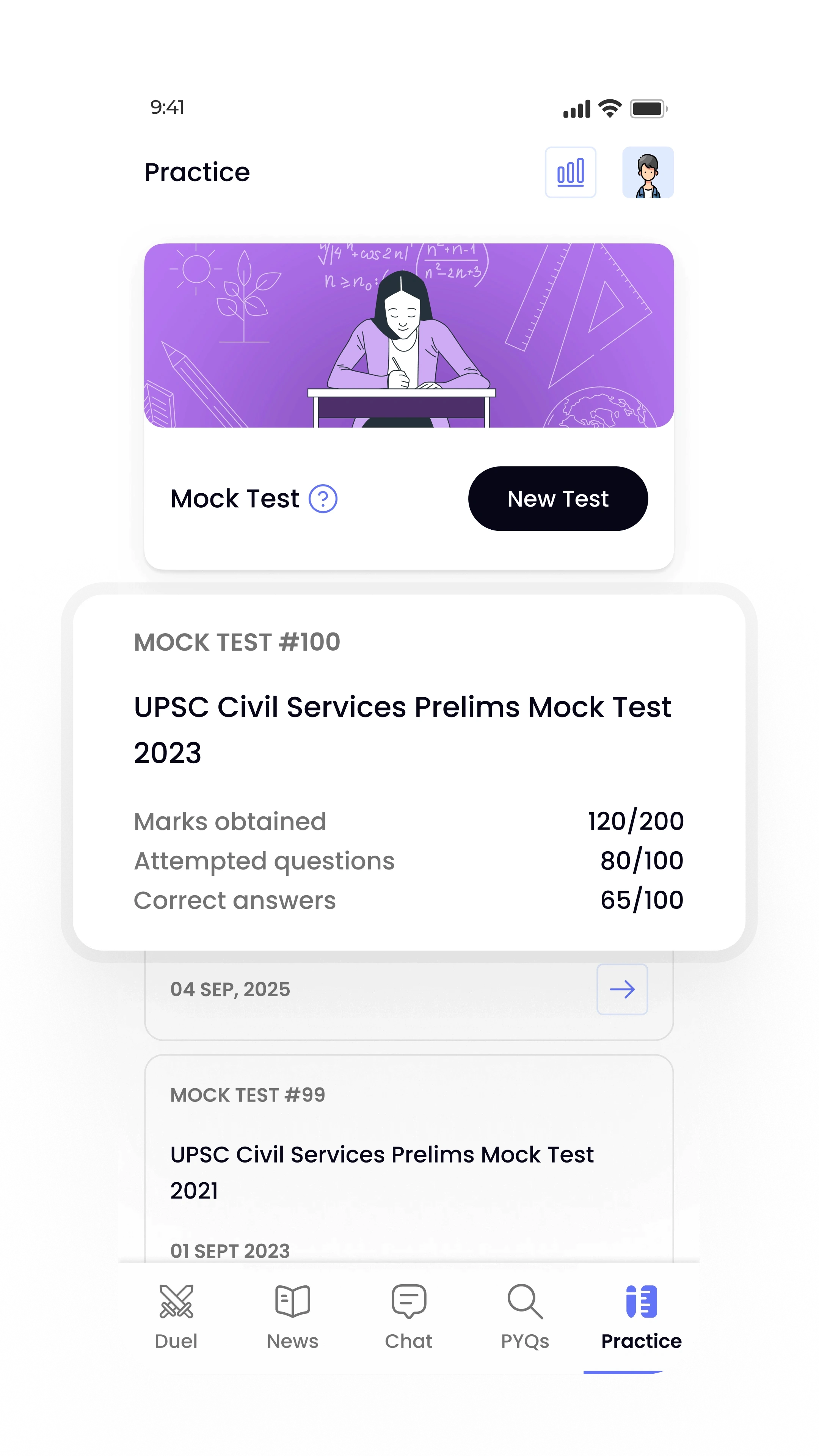
Read daily top news (TH & IE) & Solve Current Affairs MCQs
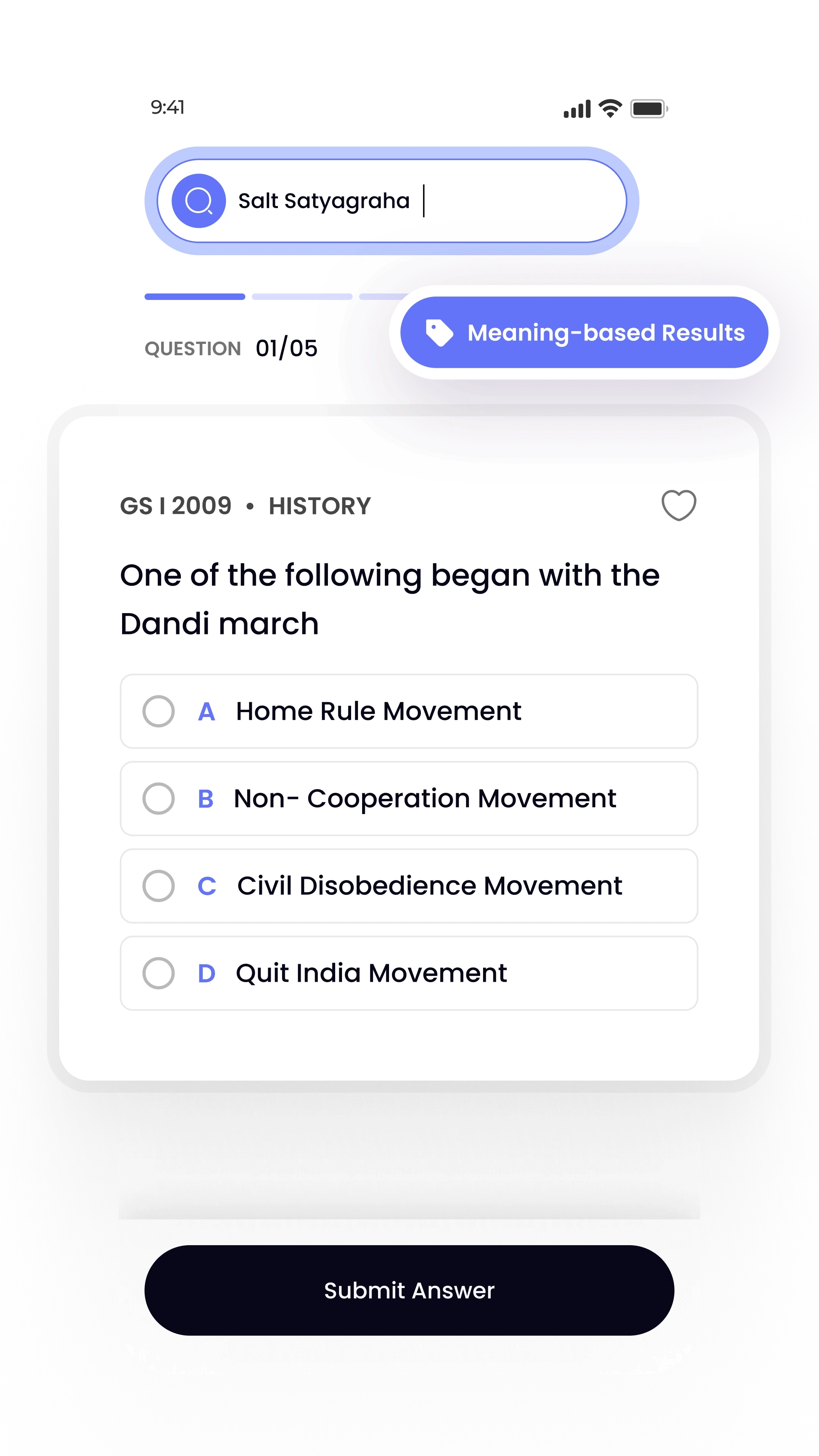
Topic-wise search of 30+ yrs PYQs
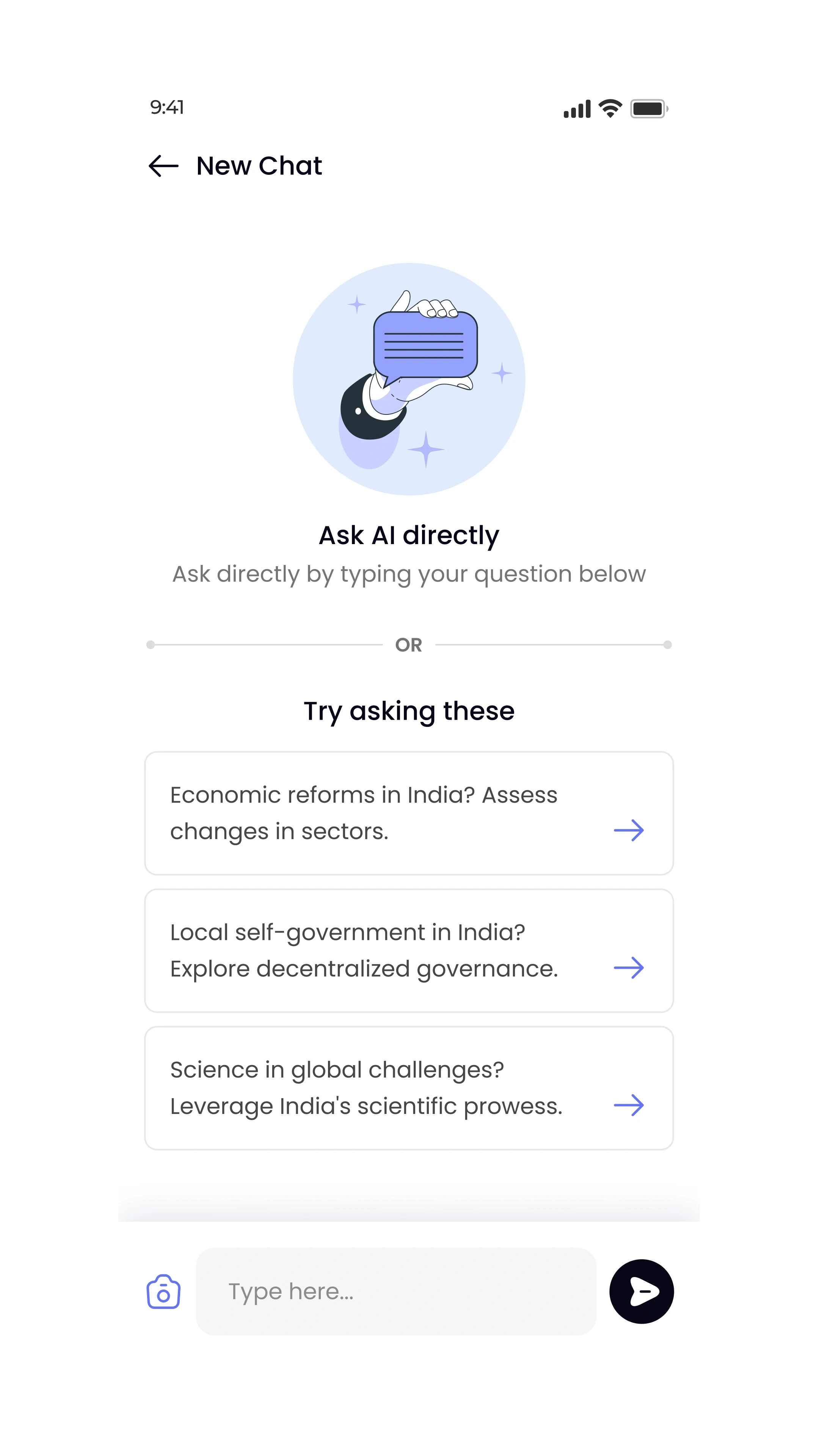
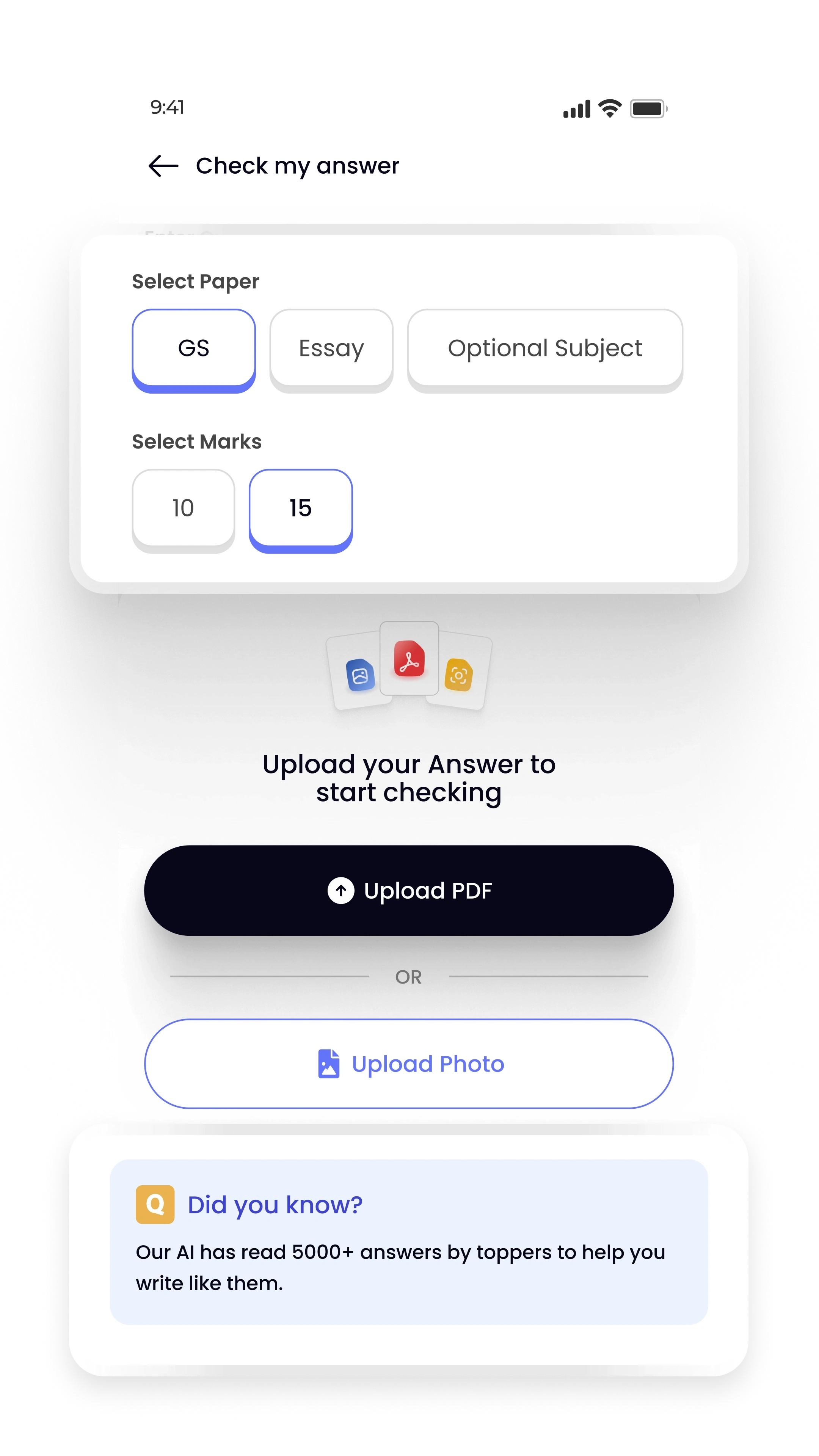
24×7 AI tutor for doubt resolution
Practice 30k+ MCQs & full GS + CSAT mocks
Play Duel UPSC quizzes with fellow aspirants

Research methodology

PadhAI's research methodology ensures every article is accurate, UPSC-ready, and beginner-friendly. We curate current affairs analysis based on UPSC exam relevance by cross-referencing The Hindu, Indian Express, and PIB. General Studies (GS) topics are drafted from NCERTs and standard books such as M. Laxmikanth, Spectrum, and GC Leong, then reviewed by subject matter experts to eliminate factual errors. Additionally, we update aspirants with verified government exam notifications alongside expert blogs suggesting the best resources, syllabus, and comprehensive Prelims and Mains strategies.

a close up of a cell phone with a blurry background

About Author

Gajendra Singh Godara

Growth | FTE| Resident at SigIQ

Gajendra Singh Godara is an IIT Bombay graduate and a UPSC aspirant with 4 attempts, including multiple Prelims and Mains appearances. He specializes in Polity, Modern History, International Relations, and Economy. At PadhAI, Gajendra leverages his firsthand exam experience to simplify complex concepts, creating high-efficiency study materials that help aspirants save time and stay focused.

Latest UPSC Exam 2026 Updates

The final list of selected candidates for UPSC CSE 2025 is now available.
Check the category-wise cut-off marks for the UPSC Civil Services Examination 2025.
The official schedule for UPSC examinations in 2026 has been released on 15 May 2025.
The results of the UPSC Civil Services Mains Examination 2025 have been officially released.
Check the updated and latest syllabus for the UPSC Civil Services Examination 2026.
The official notification for the UPSC Civil Services Examination 2025 was released on 22 January 2025.
Access the UPSC Prelims 2025 question paper along with the unofficial answer key.

UPSC Exam Dates 2026

UPSC Prelims 2026 will be held on 24 May 2026, and UPSC Mains 2026 will begin on 21 August 2026.

UPSC Selection Process

The UPSC Civil Services selection process consists of three stages: Prelims, Mains, and the Interview.

UPSC Result 2024 & Marksheet

The UPSC Civil Services Result 2024 has been released along with the official marksheet.

Latest UPSC Exam 2026 Updates

The final list of selected candidates for UPSC CSE 2025 is now available.
Check the category-wise cut-off marks for the UPSC Civil Services Examination 2025.
The official schedule for UPSC examinations in 2026 has been released on 15 May 2025.
The results of the UPSC Civil Services Mains Examination 2025 have been officially released.
Check the updated and latest syllabus for the UPSC Civil Services Examination 2026.
The official notification for the UPSC Civil Services Examination 2025 was released on 22 January 2025.
Access the UPSC Prelims 2025 question paper along with the unofficial answer key.

UPSC Exam Dates 2026

UPSC Prelims 2026 will be held on 24 May 2026, and UPSC Mains 2026 will begin on 21 August 2026.

UPSC Selection Process

The UPSC Civil Services selection process consists of three stages: Prelims, Mains, and the Interview.

UPSC Result 2024 & Marksheet

The UPSC Civil Services Result 2024 has been released along with the official marksheet.

Join the discussion

No comments yet. Be the first to join the discussion!
Why choose PadhAI?

Read daily top news (TH & IE) & Solve Current Affairs MCQs

Topic-wise search of 30+ yrs PYQs

24×7 AI tutor for doubt resolution

Practice 30k+ MCQs & full GS + CSAT mocks

Play Duel UPSC quizzes with fellow aspirants

PadhAI UPSC App

We're PadhAI - a free UPSC prep app built by IITians, AI PhDs & top UPSC experts.

Why choose PadhAI?

Read daily top news (TH & IE) & Solve Current Affairs MCQs

Topic-wise search of 30+ yrs PYQs

24×7 AI tutor for doubt resolution

Practice 30k+ MCQs & full GS + CSAT mocks

Play Duel UPSC quizzes with fellow aspirants

PadhAI UPSC App

We're PadhAI - a free UPSC prep app built by IITians, AI PhDs & top UPSC experts.

Suggested blogs

How Many Attempts for UPSC

How Many Attempts for UPSC CSE: General, OBC, SC/ST, EWS

UPSC allows 6 attempts for General/EWS, 9 for OBC, and unlimited for SC/ST within age limits. Check category-wise attempts, age criteria, and rules.

UPSC Mains Result 2025

UPSC Mains Result 2025 Out: Roll-Number & Name-Wise PDFs

Check UPSC Mains Result 2025: Download Roll Number & Name Wise Pdf, Get Official UPSC Update.

Types of Forests in India

Types of Forests in India: Tropical, Montane, Alpine and Features

India's 5 forest types: Tropical Evergreen, Deciduous, Montane, Alpine & Mangroves. Includes Distribution map, Key species, Conservation efforts and Climate zones.

How Many Attempts for UPSC

How Many Attempts for UPSC CSE: General, OBC, SC/ST, EWS

UPSC allows 6 attempts for General/EWS, 9 for OBC, and unlimited for SC/ST within age limits. Check category-wise attempts, age criteria, and rules.

UPSC Mains Result 2025

UPSC Mains Result 2025 Out: Roll-Number & Name-Wise PDFs

Check UPSC Mains Result 2025: Download Roll Number & Name Wise Pdf, Get Official UPSC Update.

Types of Forests in India

Types of Forests in India: Tropical, Montane, Alpine and Features

India's 5 forest types: Tropical Evergreen, Deciduous, Montane, Alpine & Mangroves. Includes Distribution map, Key species, Conservation efforts and Climate zones.

Schools of Indian Philosophy

Schools of Indian Philosophy: Orthodox & Heterodox Schools

Schools of Indian Philosophy: Six Orthodox Schools of Thought & Heterodox Schools Based on Acceptance or Rejection of the Authority of the Vedas.

An abstract blue background with wavy lines

Don't get left behind in your preparation

Download PadhAI App

An abstract blue background with wavy lines

Don't get left behind in your preparation

Download PadhAI App

An abstract blue background with wavy lines

Don't get left behind in your preparation

Download PadhAI App

Current Affairs

UPSC Resources

UPSC updates

General studies

UPSC Preparation

Get FREE 1-Year PadhAI Premium Access (Worth ₹3,500)

Get FREE 1-Year PadhAI Premium Access (Worth ₹3,500)