India-EU Free Trade Agreement: Objectives, Significance

India-EU Free Trade Agreement referred to as the 'Mother of All Deals.' Learn about its objectives, key challenges, and its benefits for Indian exports, FDI, and job creation.

UPSC Prelims

Current affairs

Latest Update

Gajendra Singh Godara

Jan 28, 2026

10

mins read

India EU Trade Bill
India EU Trade Bill
India EU Trade Bill
India EU Trade Bill

Why in the News?

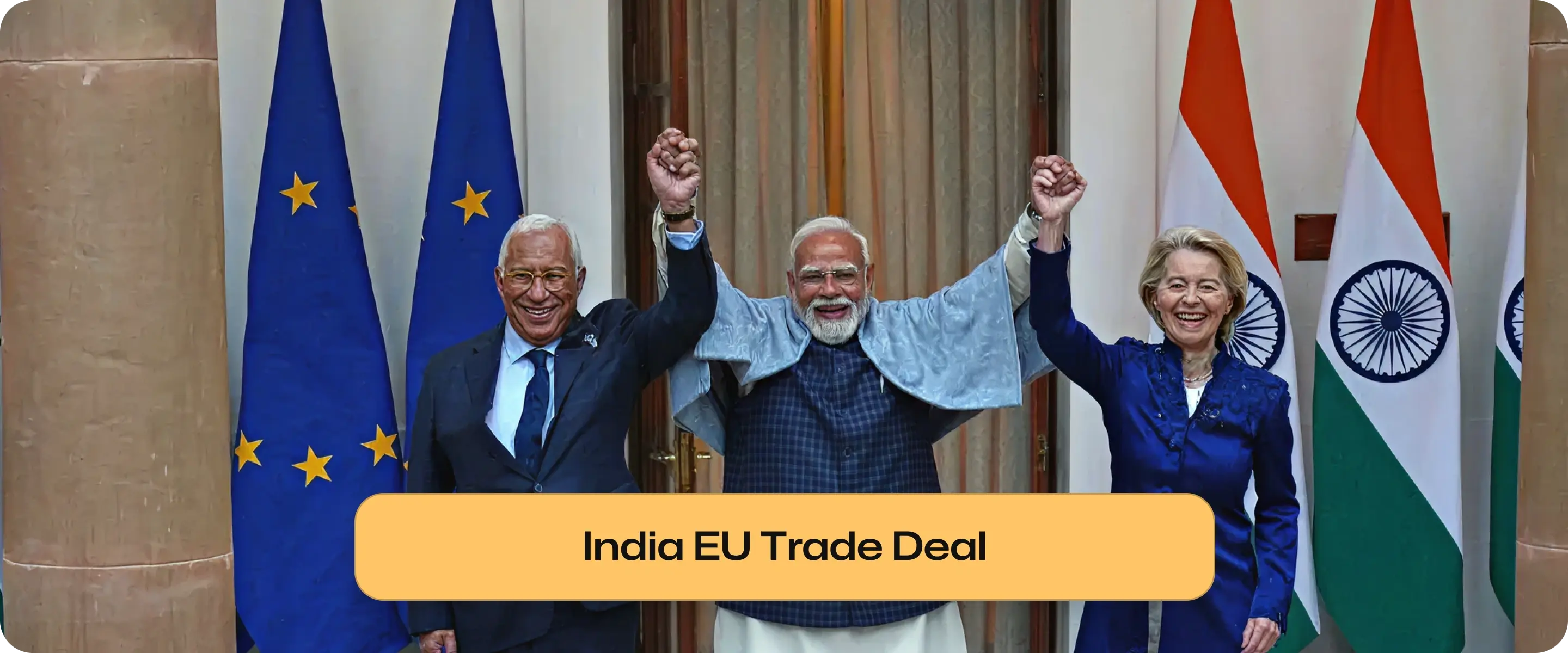
  • Historic Conclusion: India and the EU have successfully concluded negotiations on a landmark Free Trade Agreement, popularly dubbed the "Mother of All Deals".

  • Economic Milestone: The pact aims to significantly boost manufacturing, services, and exports, strengthening India's strategic vision for "Viksit Bharat 2047".

India-EU Trade Deal 2026: Mother of All Deals

India-EU Trade Deal 2026: Mother of All Deals

India-EU Trade Deal 2026: Mother of All Deals

India-EU Trade Deal 2026: Mother of All Deals

The global trade landscape witnessed a historic shift on January 27, 2026, as India and the European Union (EU) officially concluded negotiations for a landmark Free Trade Agreement (FTA). 

Prime Minister Narendra Modi and EU leaders often call this agreement the "Mother of All Deals." It will change economic relations between two of the world’s largest democratic economies.

For UPSC aspirants, the India-EU FTA is a critical topic for both Prelims (International Organizations, Trade Statistics) and Mains (GS Paper II - International Relations and GS Paper III - Economy).

Join our WhatsApp Community

Join our WhatsApp Community

Join our WhatsApp Community

Join our WhatsApp Community

What is the India-EU FTA?

What is the India-EU FTA?

What is the India-EU FTA?

What is the India-EU FTA?

The India-EU Free Trade Agreement is a comprehensive economic partnership aimed at eliminating trade barriers, reducing tariffs, and fostering deeper cooperation in services and investment. 

After nearly two decades of on-off negotiations that first began in 2007, they finally wrapped up the deal against a backdrop of global geopolitical shifts and trade tensions.

The Scale of the Deal

This is not just another trade pact. The scale of the India-EU Trade Deal is reflected in these staggering numbers:

  • Population Covered: Approximately 1.9 billion people (1.4 billion in India and 500 million in the EU).

  • Economic Might: The two entities represent nearly 25% of the global GDP.

  • Trade Volume: India and the EU account for roughly one-third of global trade.

  • Current Bilateral Trade: Merchandise trade reached $136 billion in 2024-25, nearly doubling over the last decade.

What is the European Union (EU)?

The European Union (EU) is a powerful political and economic alliance of 27 member states. Established in 1993 through the Maastricht Treaty, it operates as a single market to ensure the free movement of people, goods, and capital. As a global economic heavyweight, the EU accounts for nearly 15–17% of world exports and is a primary source of foreign investment.

  • Single Market & Currency: It creates a unified economic zone, with 20 of the 27 members (following Croatia's 2023 entry) using the Euro.

  • Key Institutions: Governance is managed by the European Commission, Parliament, Council, and Court of Justice.

  • Global Impact: The EU coordinates collective policies on trade, environment, and regional security to maintain stability.

UPSC Current Affairs Magazines

UPSC Current Affairs Magazines

UPSC Current Affairs Magazines

UPSC Current Affairs Magazines

Read Monthly Yojana Magazines

Read Monthly Yojana Magazines

Read Monthly Yojana Magazines

Read Monthly Yojana Magazines

Read Latest UPSC Current Affairs

Read Latest UPSC Current Affairs

Read Latest UPSC Current Affairs

Read Latest UPSC Current Affairs

Major Objectives of the India-EU Free Trade Agreement

Major Objectives of the India-EU Free Trade Agreement

Major Objectives of the India-EU Free Trade Agreement

Major Objectives of the India-EU Free Trade Agreement

The primary goal of the India-EU FTA is to create a win-win scenario that supports India’s vision of Viksit Bharat 2047 and the EU’s need for reliable supply chains.

  • Market Access: To eliminate or drastically reduce tariffs on goods, making Indian exports more competitive in the 27-member EU bloc.

  • Services Liberalization: To open up sectors like IT, digital services, healthcare, and professional services.

  • Investment Protection: To attract high-quality European Foreign Direct Investment (FDI) by providing regulatory transparency and certainty.

  • Skilled Mobility: To facilitate the easier movement of professionals (engineers, doctors, IT experts) between both regions.

  • Manufacturing Hub: To integrate India into European value chains, positioning it as a "China-plus-one" destination.

UGC Bill

Add as a preferred Source on Google

Add as a preferred Source on Google

Add as a preferred Source on Google

Add as a preferred Source on Google

Key Features of India-EU Trade Deal

Key Features of India-EU Trade Deal

Key Features of India-EU Trade Deal

Key Features of India-EU Trade Deal

The India-EU trade deal details reveal a carefully balanced agreement that addresses long-standing bottlenecks while protecting sensitive domestic sectors.

1. The Automobile Breakthrough

One of the biggest hurdles since 2007 was the automobile sector. Under the new agreement:

  • Tariff Cuts: India will reduce duties on motor vehicles—which were as high as 110%—to just 10%.

  • Quota System: This 10% tariff applies to a quota of 250,000 vehicles, which is six times larger than the quota granted to the UK in previous deals.

  • Benefit: This allows European luxury car makers to enter the Indian market while encouraging them to eventually "Make in India" for future exports.

2. Labor-Intensive Sectors

The deal provides immediate "preferential access" for Indian goods worth approximately $33 billion.

  • Textiles and Leather: These sectors, which were struggling with high competition, will see tariffs drop to zero on day one of implementation.

  • Gems and Jewelry: A major boost for Indian artisans and exporters.

  • Agriculture: Commodities like tea, coffee, and spices will benefit significantly.

3. Services and Mobility Framework

India, a global services powerhouse, has secured a "future-ready mobility framework".

  • Professional Access: Expanded opportunities for Indian IT professionals, nurses, and accountants to work in the EU.

  • Traditional Medicine: In certain EU nations where these practices are not regulated, practitioners of Indian Traditional Medicine, like Ayurveda, are now allowed to practice under their original titles.

  • Social Security: A framework has been established to engage in Social Security Agreements over the next five years, which could save Indian professionals millions in dual social security contributions.

4. Safeguarding Sensitive Sectors

India has prudently excluded or used "carve-outs" for sectors vital to its rural economy:

  • Dairy and Poultry: These remain protected to prevent disruption to small-scale Indian farmers.

  • Cereals and Fruits: Certain fruits and vegetables are excluded from duty cuts to protect domestic priorities.

Board of Peace

Strategic Significance: Why Now?

Strategic Significance: Why Now?

Strategic Significance: Why Now?

Strategic Significance: Why Now?

The timing of the India-EU FTA is deeply tied to global geo-economics.

  1. US Tariff Pressures: Both India and the EU have faced economic pressure and high tariffs from the US, particularly under the Trump administration. This deal sends a message that cooperation is preferred over trade wars.

  2. The China Factor: The EU is looking to reduce its dependence on China for critical technologies and supply chains. India offers a stable, democratic alternative for manufacturing.

  3. Diversification: For India, the EU is already its largest export market bloc (17% of total exports). This deal ensures that India does not depend on just one or two major trading partners.

Challenges of India-EU FTA

Challenges of India-EU FTA

Challenges of India-EU FTA

Challenges of India-EU FTA

While the conclusion of negotiations is a major win, several Challenges of India-EU FTA remain during the implementation phase.

  • Carbon Border Adjustment Mechanism (CBAM): The EU’s proposed "carbon tax" on imports like steel and cement could hurt the competitiveness of Indian heavy industries. While India has secured some flexibility, compliance remains a hurdle.

  • Strict Environmental and Labor Standards: EU norms are among the most stringent in the world. Many Indian MSMEs may find the cost of compliance too high, acting as a non-tariff barrier.

  • Intellectual Property Rights (IPR): The EU has pushed for "data exclusivity" in pharmaceuticals. This is a major concern for India’s generic drug industry, which provides affordable medicine globally.

  • Public Procurement: The EU wants access to India's government contracts, which currently favor local manufacturers under the "Aatmanirbhar Bharat" initiative.

  • Ratification Risks: The deal must still be ratified by the European Parliament and all 27 member states. Previous EU deals (like the one with Mercosur) have been derailed at this stage.

Comparison of Trade Figures (Pre-FTA)

Comparison of Trade Figures (Pre-FTA)

Comparison of Trade Figures (Pre-FTA)

Comparison of Trade Figures (Pre-FTA)

Sector

Indian Exports to EU (2024-25)

Growth Potential Under FTA

Goods (Total)

USD 75–80 Billion 

10–15% in labor-intensive sectors

Services (Total)

USD 50 Billion

High growth in IT & Digital

FDI Inflows

USD 70 Billion (2023-24)

Expected to surge with regulatory certainty

Way Forward for India

Way Forward for India

Way Forward for India

Way Forward for India

To maximize the benefits of the India-EU Free Trade Agreement, India must:

  • Industrial Upgrading: Use PLI schemes to help domestic manufacturers meet high EU technical and environmental standards.

  • Phased Liberalization: Gradually reduce tariffs to give sensitive MSMEs and the dairy sector time to adjust.

  • Digital Sovereignty: Carefully negotiate data-sharing rules to balance trade with national privacy concerns.

  • Skill Development: Train the workforce to take advantage of the new mobility framework in Europe.

Frequently asked question (FAQs)

Why is the India-EU FTA called the "Mother of All Deals"?
Which sectors will benefit most from the India-EU FTA?
What is the status of the "Carbon Tax" (CBAM) in the India-EU Trade agreement?
Does the India-EU FTA cover the dairy sector?
When will the India-EU FTA officially come into effect?

Suggested posts

India-US Trade Deal Cuts Tariffs to 18%: Impact on India

Why in the News?

  • India-US Trade Deal: India and the US recently announced a landmark trade deal, slashing punitive tariffs on Indian goods from 50% to 18%.

  • This follows a period of tension in August 2025, when the US doubled tariffs to 50% citing India's Russian oil imports.

India US Trade Deal
India-EU Free Trade Agreement referred to as the 'Mother of All Deals.' Learn about its objectives, key challenges, and its benefits for Indian exports, FDI, and job creation.

India-US Trade Deal Cuts Tariffs to 18%: Impact on India

Why in the News?

  • India-US Trade Deal: India and the US recently announced a landmark trade deal, slashing punitive tariffs on Indian goods from 50% to 18%.

  • This follows a period of tension in August 2025, when the US doubled tariffs to 50% citing India's Russian oil imports.

India US Trade Deal
India-EU Free Trade Agreement referred to as the 'Mother of All Deals.' Learn about its objectives, key challenges, and its benefits for Indian exports, FDI, and job creation.

UGC Bill 2026: New Rules Against Caste Discrimination in HEIs

On January 29, 2026, the Supreme Court of India stayed the implementation of the UGC (Promotion of Equity in Higher Education Institutions) Regulations, 2026. The court cited concerns that the new rules are "prima facie vague" and "capable of misuse".

Judicial Stay and Constitutional Concerns

  • Interim Order: A bench led by CJI Surya Kant and Justice Joymalya Bagchi has kept the 2026 regulations in abeyance, ordering the 2012 regulations to remain in effect for now.

  • Vagueness: The court flagged "complete vagueness" in the language, warning that it could lead to arbitrary interpretations and potentially divide society.

  • Exclusion Allegations: Petitioners challenged Regulation 3(1)(c), which defines caste-based discrimination exclusively for SC, ST, and OBC groups, allegedly leaving General Category individuals without protection—a potential violation of Article 14.

Why in the News?

  • The UGC has notified the Promotion of Equity Regulations, 2026, to strictly tackle caste-based discrimination and harassment in higher education institutions across India.

  • The new framework replaces the 2012 guidelines to establish a legally binding, accountable, and enforceable system for protecting marginalized students on campuses.

UGC Bill 2026
India-EU Free Trade Agreement referred to as the 'Mother of All Deals.' Learn about its objectives, key challenges, and its benefits for Indian exports, FDI, and job creation.

UGC Bill 2026: New Rules Against Caste Discrimination in HEIs

On January 29, 2026, the Supreme Court of India stayed the implementation of the UGC (Promotion of Equity in Higher Education Institutions) Regulations, 2026. The court cited concerns that the new rules are "prima facie vague" and "capable of misuse".

Judicial Stay and Constitutional Concerns

  • Interim Order: A bench led by CJI Surya Kant and Justice Joymalya Bagchi has kept the 2026 regulations in abeyance, ordering the 2012 regulations to remain in effect for now.

  • Vagueness: The court flagged "complete vagueness" in the language, warning that it could lead to arbitrary interpretations and potentially divide society.

  • Exclusion Allegations: Petitioners challenged Regulation 3(1)(c), which defines caste-based discrimination exclusively for SC, ST, and OBC groups, allegedly leaving General Category individuals without protection—a potential violation of Article 14.

Why in the News?

  • The UGC has notified the Promotion of Equity Regulations, 2026, to strictly tackle caste-based discrimination and harassment in higher education institutions across India.

  • The new framework replaces the 2012 guidelines to establish a legally binding, accountable, and enforceable system for protecting marginalized students on campuses.

UGC Bill 2026
India-EU Free Trade Agreement referred to as the 'Mother of All Deals.' Learn about its objectives, key challenges, and its benefits for Indian exports, FDI, and job creation.

Trump’s Board of Peace on Gaza: India’s Cautious Stand

Key Highlights

  • US-Led Governance: Trump’s Board of Peace manages Gaza’s reconstruction and governance under UN Security Council Resolution 2803.

  • Core Objectives: The framework prioritizes demilitarization, economic stabilization, and technocratic governance through the independent NCAG.

  • Three-Tiered Structure: Chaired by Donald Trump, the board utilizes a unique $1 billion fee for permanent membership.

  • India’s Hesitation: New Delhi remains cautious due to UN bypass concerns and Pakistan's participation in the forum.

  • Security Framework: The International Stabilization Force (ISF) manages security, focusing on demilitarization and border protection.

Why in the news?

  • Global Initiative: In January 2026, the US unveiled the Board of Peace to manage Gaza's reconstruction and governance.

  • India’s Stance: India has received an invitation to join. However, it is thinking about the risks of skipping traditional UN systems.

Board of Peace Plan for Gaza
India-EU Free Trade Agreement referred to as the 'Mother of All Deals.' Learn about its objectives, key challenges, and its benefits for Indian exports, FDI, and job creation.

Trump’s Board of Peace on Gaza: India’s Cautious Stand

Key Highlights

  • US-Led Governance: Trump’s Board of Peace manages Gaza’s reconstruction and governance under UN Security Council Resolution 2803.

  • Core Objectives: The framework prioritizes demilitarization, economic stabilization, and technocratic governance through the independent NCAG.

  • Three-Tiered Structure: Chaired by Donald Trump, the board utilizes a unique $1 billion fee for permanent membership.

  • India’s Hesitation: New Delhi remains cautious due to UN bypass concerns and Pakistan's participation in the forum.

  • Security Framework: The International Stabilization Force (ISF) manages security, focusing on demilitarization and border protection.

Why in the news?

  • Global Initiative: In January 2026, the US unveiled the Board of Peace to manage Gaza's reconstruction and governance.

  • India’s Stance: India has received an invitation to join. However, it is thinking about the risks of skipping traditional UN systems.

Board of Peace Plan for Gaza
India-EU Free Trade Agreement referred to as the 'Mother of All Deals.' Learn about its objectives, key challenges, and its benefits for Indian exports, FDI, and job creation.

PadhAI UPSC App

We're PadhAI - a free UPSC prep app built by IITians, AI PhDs & top UPSC experts.

Why choose PadhAI?

Read daily top news (TH & IE) & Solve Current Affairs MCQs
Topic-wise search of 30+ yrs PYQs
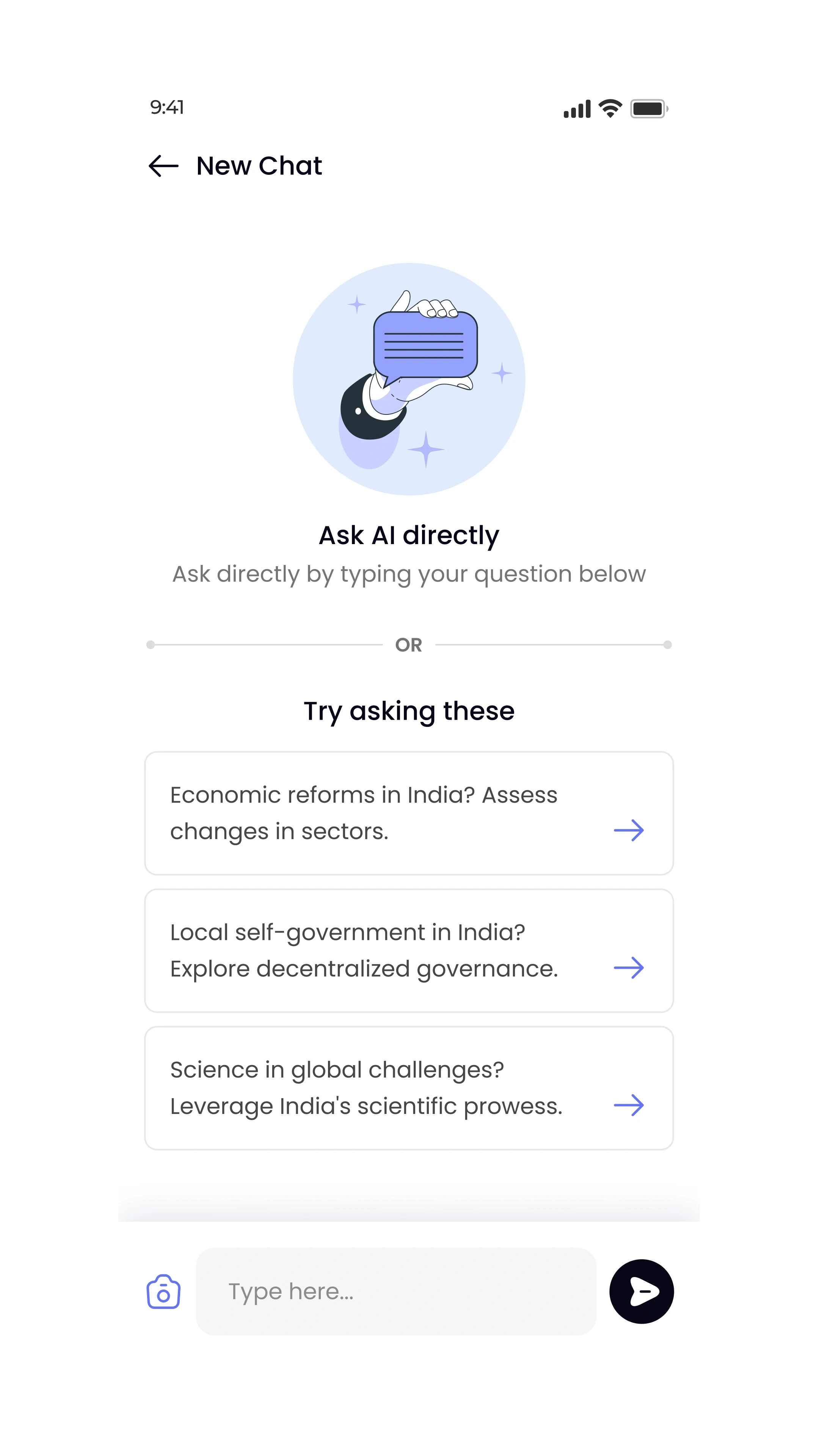
24×7 AI tutor for doubt resolution
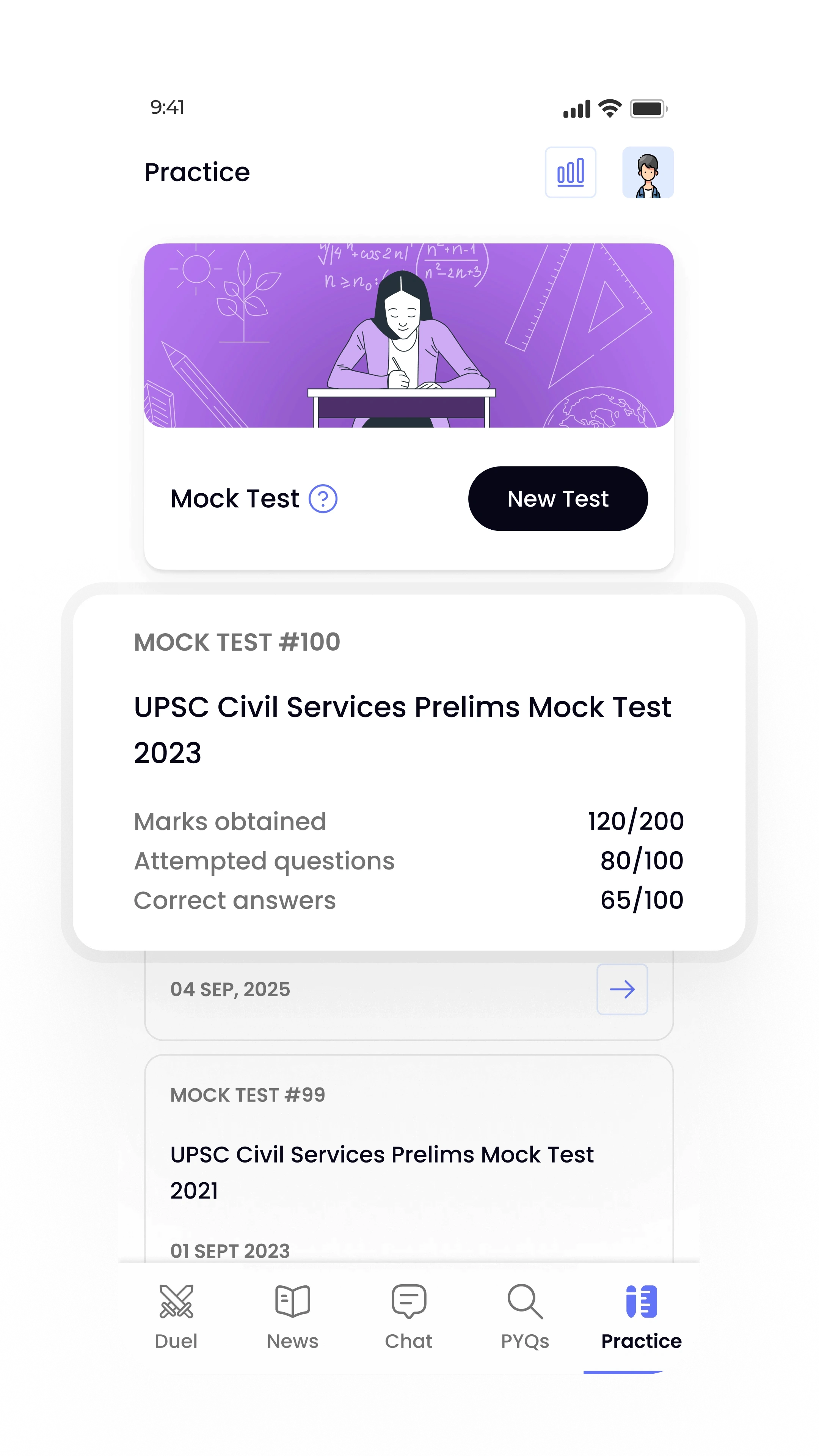
Practice 30k+ MCQs & full GS + CSAT mocks
Play Duel UPSC quizzes with fellow aspirants
a close up of a cell phone with a blurry background

About Author

Gajendra Singh Godara

Growth | FTE| Resident at SigIQ

Gajendra Singh Godara brings authentic UPSC preparation insights from his four-attempt journey, having successfully cleared Prelims and written Mains multiple times. His deep expertise spans Polity, Modern History, International Relations, and Economy. At PadhAI, Gajendra transforms his extensive exam experience into accessible content that simplifies complex concepts for aspirants at every preparation stage. His firsthand understanding of UPSC's demands enables him to create targeted materials that save time while maximizing learning efficiency for current affairs, general studies, and optional subjects.

a close up of a cell phone with a blurry background

About Author

Gajendra Singh Godara

Growth | FTE| Resident at SigIQ

Gajendra Singh Godara brings authentic UPSC preparation insights from his four-attempt journey, having successfully cleared Prelims and written Mains multiple times. His deep expertise spans Polity, Modern History, International Relations, and Economy. At PadhAI, Gajendra transforms his extensive exam experience into accessible content that simplifies complex concepts for aspirants at every preparation stage. His firsthand understanding of UPSC's demands enables him to create targeted materials that save time while maximizing learning efficiency for current affairs, general studies, and optional subjects.

a close up of a cell phone with a blurry background

About Author

Gajendra Singh Godara

Growth | FTE| Resident at SigIQ

Gajendra Singh Godara brings authentic UPSC preparation insights from his four-attempt journey, having successfully cleared Prelims and written Mains multiple times. His deep expertise spans Polity, Modern History, International Relations, and Economy. At PadhAI, Gajendra transforms his extensive exam experience into accessible content that simplifies complex concepts for aspirants at every preparation stage. His firsthand understanding of UPSC's demands enables him to create targeted materials that save time while maximizing learning efficiency for current affairs, general studies, and optional subjects.

a close up of a cell phone with a blurry background

About Author

Gajendra Singh Godara

Growth | FTE| Resident at SigIQ

Gajendra Singh Godara brings authentic UPSC preparation insights from his four-attempt journey, having successfully cleared Prelims and written Mains multiple times. His deep expertise spans Polity, Modern History, International Relations, and Economy. At PadhAI, Gajendra transforms his extensive exam experience into accessible content that simplifies complex concepts for aspirants at every preparation stage. His firsthand understanding of UPSC's demands enables him to create targeted materials that save time while maximizing learning efficiency for current affairs, general studies, and optional subjects.

Latest UPSC Exam 2026 Updates

UPSC Calendar 2026 is released on 15th May, 2025.

UPSC Mains Result 2025 is now released.

Check out the updated and latest UPSC Syllabus 2026 here.

UPSC Notification 2025 was released on 22nd January 2025.

UPSC Prelims 2026 will be conducted on 24th May, 2026 & UPSC Mains 2026 will be conducted on 21st August 2026.

The UPSC Prelims 2026 is scheduled for May 24, 2026, while the UPSC Mains 2026 will be conducted from August 21, 2026.

The UPSC Selection Process is of 3 stages-Prelims, Mains and Interview.

UPSC Result 2024 is released with latest UPSC Marksheet 2024. Check Now!

Latest UPSC Exam 2026 Updates

UPSC Calendar 2026 is released on 15th May, 2025.

UPSC Mains Result 2025 is now released.

Check out the updated and latest UPSC Syllabus 2026 here.

UPSC Notification 2025 was released on 22nd January 2025.

UPSC Prelims 2026 will be conducted on 24th May, 2026 & UPSC Mains 2026 will be conducted on 21st August 2026.

The UPSC Prelims 2026 is scheduled for May 24, 2026, while the UPSC Mains 2026 will be conducted from August 21, 2026.

The UPSC Selection Process is of 3 stages-Prelims, Mains and Interview.

UPSC Result 2024 is released with latest UPSC Marksheet 2024. Check Now!

Latest UPSC Exam 2026 Updates

UPSC Calendar 2026 is released on 15th May, 2025.

UPSC Mains Result 2025 is now released.

Check out the updated and latest UPSC Syllabus 2026 here.

UPSC Notification 2025 was released on 22nd January 2025.

UPSC Prelims 2026 will be conducted on 24th May, 2026 & UPSC Mains 2026 will be conducted on 21st August 2026.

The UPSC Prelims 2026 is scheduled for May 24, 2026, while the UPSC Mains 2026 will be conducted from August 21, 2026.

The UPSC Selection Process is of 3 stages-Prelims, Mains and Interview.

UPSC Result 2024 is released with latest UPSC Marksheet 2024. Check Now!

Latest UPSC Exam 2026 Updates

UPSC Calendar 2026 is released on 15th May, 2025.

UPSC Mains Result 2025 is now released.

Check out the updated and latest UPSC Syllabus 2026 here.

UPSC Notification 2025 was released on 22nd January 2025.

UPSC Prelims 2026 will be conducted on 24th May, 2026 & UPSC Mains 2026 will be conducted on 21st August 2026.

The UPSC Prelims 2026 is scheduled for May 24, 2026, while the UPSC Mains 2026 will be conducted from August 21, 2026.

The UPSC Selection Process is of 3 stages-Prelims, Mains and Interview.

UPSC Result 2024 is released with latest UPSC Marksheet 2024. Check Now!

Why choose PadhAI?

Read daily top news (TH & IE) & Solve Current Affairs MCQs

Topic-wise search of 30+ yrs PYQs

24×7 AI tutor for doubt resolution

Practice 30k+ MCQs & full GS + CSAT mocks

Play Duel UPSC quizzes with fellow aspirants

PadhAI UPSC App

We're PadhAI - a free UPSC prep app built by IITians, AI PhDs & top UPSC experts.

Why choose PadhAI?

Read daily top news (TH & IE) & Solve Current Affairs MCQs

Topic-wise search of 30+ yrs PYQs

24×7 AI tutor for doubt resolution

Practice 30k+ MCQs & full GS + CSAT mocks

Play Duel UPSC quizzes with fellow aspirants

PadhAI UPSC App

We're PadhAI - a free UPSC prep app built by IITians, AI PhDs & top UPSC experts.

Suggested posts

India US Trade Deal
India US Trade Deal

India-US Trade Deal Cuts Tariffs to 18%: Impact on India

India-US trade deal: A strategic reset in ties lowering tariffs from 50% to 18% amid Russian oil tensions. Boost for Make in India in textiles, gems, and marine products etc.
UGC Bill 2026
UGC Bill 2026

UGC Bill 2026: New Rules Against Caste Discrimination in HEIs

UGC Bill 2026: New regulations targeting caste discrimination in HEIs. Understand mandatory EOCs, OBC inclusion, strict redressal timelines & criticisms.
Board of Peace Plan for Gaza

Trump’s Board of Peace on Gaza: India’s Cautious Stand

Trump's Board of Peace for Gaza reconstruction under UNSC 2803. Why India hesitates to join amid UN bypass and Pakistan role
India US Trade Deal

India-US Trade Deal Cuts Tariffs to 18%: Impact on India

India-US trade deal: A strategic reset in ties lowering tariffs from 50% to 18% amid Russian oil tensions. Boost for Make in India in textiles, gems, and marine products etc.
UGC Bill 2026

UGC Bill 2026: New Rules Against Caste Discrimination in HEIs

UGC Bill 2026: New regulations targeting caste discrimination in HEIs. Understand mandatory EOCs, OBC inclusion, strict redressal timelines & criticisms.
Board of Peace Plan for Gaza

Trump’s Board of Peace on Gaza: India’s Cautious Stand

Trump's Board of Peace for Gaza reconstruction under UNSC 2803. Why India hesitates to join amid UN bypass and Pakistan role
World Economic Forum 2026

World Economic Forum (WEF): Davos Summit 2026, Members & Key Reports

World Economic Forum 2026: Understand the Davos summit 2026, Members, Headquarters and reports like Global Risks Report. Learn how the WEF shapes policy in the Intelligent Age.

Download PadhAI App

Don't get left behind in your preparation

Download PadhAI App

Don't get left behind in your preparation

Download PadhAI App

Don't get left behind in your preparation

Download PadhAI App

Don't get left behind in your preparation

PadhAI is a product of SigIQ AI, and Metayb is a recognized reseller authorized to sell PadhAI subscriptions.

Address

Metayb private limited, 3rd floor, Electrical and Electronic, ALG Towers, Plot no. 48, main road, Industrial Estate, Perungudi, Chennai, Tamil Nadu 600096

© 2025-2026, All Rights Reserved

PadhAI is a product of SigIQ AI, and Metayb is a recognized reseller authorized to sell PadhAI subscriptions.

Address

Metayb private limited, 3rd floor, Electrical and Electronic, ALG Towers, Plot no. 48, main road, Industrial Estate, Perungudi, Chennai, Tamil Nadu 600096

© 2025-2026, All Rights Reserved

PadhAI is a product of SigIQ AI, and Metayb is a recognized reseller authorized to sell PadhAI subscriptions.

Address

Metayb private limited, 3rd floor, Electrical and Electronic, ALG Towers, Plot no. 48, main road, Industrial Estate, Perungudi, Chennai, Tamil Nadu 600096

© 2025-2026, All Rights Reserved

PadhAI is a product of SigIQ AI, and Metayb is a recognized reseller authorized to sell PadhAI subscriptions.

Address

Metayb private limited, 3rd floor, Electrical and Electronic, ALG Towers, Plot no. 48, main road, Industrial Estate, Perungudi, Chennai, Tamil Nadu 600096

© 2025-2026, All Rights Reserved

Current Affairs

UPSC Resources

UPSC updates

General studies

UPSC Preparation