UGC Bill 2026: New Rules Against Caste Discrimination in HEIs

UGC Bill 2026: New regulations targeting caste discrimination in HEIs. Understand mandatory EOCs, OBC inclusion, strict redressal timelines & criticisms.

UPSC Prelims

Current affairs

Latest Update

Gajendra Singh Godara

Jan 27, 2026

10

mins read

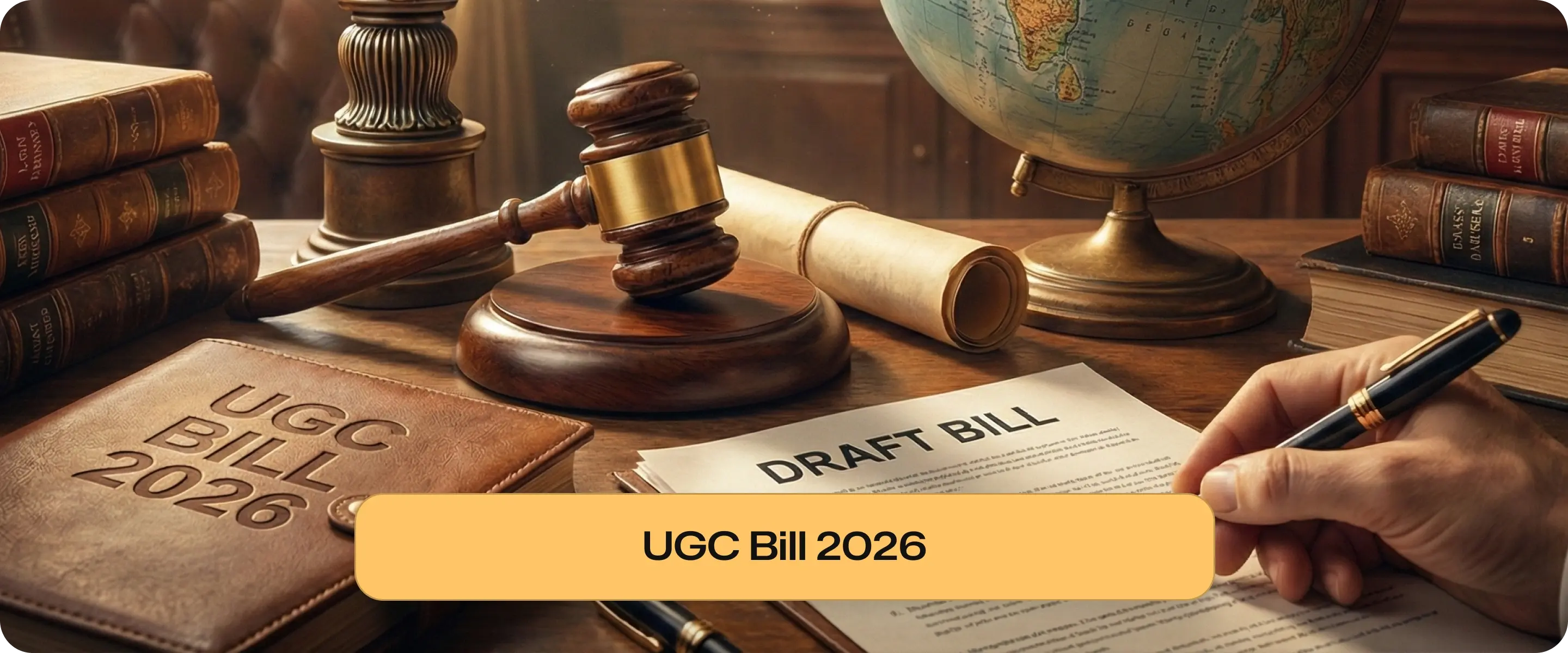
UGC Bill 2026
UGC Bill 2026
UGC Bill 2026
UGC Bill 2026

UGC Equity Regulations, 2026

UGC Equity Regulations, 2026

UGC Equity Regulations, 2026

UGC Equity Regulations, 2026

On January 29, 2026, the Supreme Court of India stayed the implementation of the UGC (Promotion of Equity in Higher Education Institutions) Regulations, 2026. The court cited concerns that the new rules are "prima facie vague" and "capable of misuse".

Judicial Stay and Constitutional Concerns

  • Interim Order: A bench led by CJI Surya Kant and Justice Joymalya Bagchi has kept the 2026 regulations in abeyance, ordering the 2012 regulations to remain in effect for now.

  • Vagueness: The court flagged "complete vagueness" in the language, warning that it could lead to arbitrary interpretations and potentially divide society.

  • Exclusion Allegations: Petitioners challenged Regulation 3(1)(c), which defines caste-based discrimination exclusively for SC, ST, and OBC groups, allegedly leaving General Category individuals without protection—a potential violation of Article 14.

Why in the News?

  • The UGC has notified the Promotion of Equity Regulations, 2026, to strictly tackle caste-based discrimination and harassment in higher education institutions across India.

  • The new framework replaces the 2012 guidelines to establish a legally binding, accountable, and enforceable system for protecting marginalized students on campuses.

Table of content

Table of content

UGC (Promotion of Equity in Higher Education Institutions) Regulations, 2026

UGC (Promotion of Equity in Higher Education Institutions) Regulations, 2026

UGC (Promotion of Equity in Higher Education Institutions) Regulations, 2026

UGC (Promotion of Equity in Higher Education Institutions) Regulations, 2026

Caste-based discrimination remains a profound challenge in India’s academic landscape, often hindering the progress of students from marginalized communities. Recognizing the urgent need for a more robust legal shield, the University Grants Commission (UGC) has introduced the UGC (Promotion of Equity in Higher Education Institutions) Regulations, 2026.

For UPSC aspirants, understanding the nuances of the UGC Bill is crucial for GS Paper 2 (Education, Government Policies, and Social Justice). This article provides an in-depth analysis of the new regulations, their significance, and the constitutional framework supporting them.

Join our WhatsApp Community

Join our WhatsApp Community

Join our WhatsApp Community

Join our WhatsApp Community

What is the UGC Bill 2026?

What is the UGC Bill 2026?

What is the UGC Bill 2026?

What is the UGC Bill 2026?

The UGC Bill 2026 is a comprehensive set of regulations officially known as the UGC (Promotion of Equity in Higher Education Institutions) Regulations, 2026. Notified on January 13, 2026, this framework replaces the previous 2012 guidelines, which were often criticized for being advisory rather than enforceable.

The primary objective of the UGC Bill 2026 is to provide a stricter, legally binding mechanism to prevent and address caste-based discrimination against students and staff from Scheduled Castes (SCs), Scheduled Tribes (STs), and Other Backward Classes (OBCs).

India EU Free Trade Agreement

UPSC Current Affairs Magazines

UPSC Current Affairs Magazines

UPSC Current Affairs Magazines

UPSC Current Affairs Magazines

Read Monthly Yojana Magazines

Read Monthly Yojana Magazines

Read Monthly Yojana Magazines

Read Monthly Yojana Magazines

Read Latest UPSC Current Affairs

Read Latest UPSC Current Affairs

Read Latest UPSC Current Affairs

Read Latest UPSC Current Affairs

Why was the UGC Promotion Of Equity Regulations 2026 Needed?

Why was the UGC Promotion Of Equity Regulations 2026 Needed?

Why was the UGC Promotion Of Equity Regulations 2026 Needed?

Why was the UGC Promotion Of Equity Regulations 2026 Needed?

The transition from the 2012 framework to the UGC Bill 2026 was driven by alarming data and tragic incidents:

  • Surge in Cases: Reports indicate a 118.4% rise in caste discrimination cases on campuses between 2019 and 2024.

  • Institutional Failure: A 2019 IIT Delhi study revealed that 75% of students from historically disadvantaged castes faced some form of discrimination.

  • Tragic Consequences: High-profile cases, such as those of Rohit Vemula and Payal Tadvi, underscored the devastating psychological impact of institutional casteism.

  • Need for Enforcement: The previous 2012 rules lacked a national monitoring mechanism and strict penalties, allowing many institutions to ignore complaints.

Board of Peace

Add as a preferred Source on Google

Add as a preferred Source on Google

Add as a preferred Source on Google

Add as a preferred Source on Google

Important Rules Under UGC Bill 2026

Important Rules Under UGC Bill 2026

Important Rules Under UGC Bill 2026

Important Rules Under UGC Bill 2026

The UGC Bill introduces several critical mandates that Higher Education Institutions (HEIs) must follow to ensure equity.

1. Mandatory Equal Opportunity Centres (EOCs)

Every university and college is now required to establish an Equal Opportunity Centre (EOC). The EOC serves as the primary body to promote social inclusion and manage all discrimination-related complaints on campus.

2. Composition of Equity Committees

Each institution must form an Equity Committee under the EOC, chaired directly by the head of the institution. To ensure inclusive decision-making, the committee must include representatives from:

  • Scheduled Castes (SCs) 

  • Scheduled Tribes (STs) 

  • Other Backward Classes (OBCs) 

  • Persons with Benchmark Disabilities (PwBD) 

  • Women

3. Inclusion of OBCs

In a major shift from the earlier draft, the UGC Bill 2026 explicitly extends legal protection to Other Backward Classes (OBCs). This corrects a significant omission and ensures a more comprehensive approach to social justice.

4. Time-Bound Grievance Redressal

To prevent administrative delays, the UGC Bill 2026 mandates a strict timeline for justice:

  • Initial Action: The Equity Committee must take preliminary steps within 24 hours of receiving a complaint.

  • Final Report: A detailed investigation report must be submitted within 15 working days.

5. 24/7 Support and Accountability

Institutions must operate a 24/7 helpline and an online complaint portal. Furthermore, the head of the institution is held directly responsible for implementation and compliance, preventing leadership from evading accountability.

World Economic Forum

Comparison: UGC 2012 Framework vs. UGC Bill 2026

Comparison: UGC 2012 Framework vs. UGC Bill 2026

Comparison: UGC 2012 Framework vs. UGC Bill 2026

Comparison: UGC 2012 Framework vs. UGC Bill 2026

Feature

2012 Framework

UGC Bill 2026 (New Rules)

Legal Status

Primarily advisory

Legally binding and enforceable

OBC Coverage

Not explicitly emphasized

Mandatory inclusion of OBCs

Redressal Timeline

Not strictly defined 

24-hour initial action; 15-day report

Monitoring

Weak institutional oversight

National-level Monitoring Committee

Penalties

Limited or non-existent

Debarment, loss of recognition, and program bans

Constitutional and Legislative Context

Constitutional and Legislative Context

Constitutional and Legislative Context

Constitutional and Legislative Context

The UGC Bill 2026 is grounded in the fundamental values of the Indian Constitution and existing laws designed to protect marginalized groups.

Constitutional Provisions

  • Article 15: Prohibits discrimination on grounds of religion, race, caste, sex, or place of birth. The 93rd Amendment specifically allows "special provisions" for SC/STs in educational admissions.

  • Article 46: A Directive Principle of State Policy (DPSP) that mandates the State to promote the educational and economic interests of SCs/STs and protect them from social injustice.

Existing Legislative Framework

  • SC/ST (Prevention of Atrocities) Act, 1989: Criminalizes acts that insult members of SC/ST in public view or prevent their entry into educational institutions.

  • National Fellowship for SC/ST: Provides financial support to scholars to improve academic autonomy.

  • SHRESHTA Scheme: Helps meritorious SC students access quality residential education in private schools.

Significance of the UGC Bill 2026

Significance of the UGC Bill 2026

Significance of the UGC Bill 2026

Significance of the UGC Bill 2026

The Significance of the UGC Bill 2026 lies in its potential to dismantle institutional barriers that have historically sidelined brilliant minds. By shifting from mere "guidelines" to "enforceable regulations," the University Grants Commission is signaling that discrimination will have tangible consequences.

  • Psychological Safety: The mandatory helpline and strict timelines reduce the anxiety and stigma often associated with "reserved category" students.

  • Institutional Accountability: Making heads of institutions personally responsible ensures that complaints are not "pushed under the carpet" to protect the university's reputation.

  • Structural Change: The creation of EOCs ensures that equity becomes a permanent part of the institutional structure rather than an afterthought.

Critical Analysis: Challenges and Criticisms

Critical Analysis: Challenges and Criticisms

Critical Analysis: Challenges and Criticisms

Critical Analysis: Challenges and Criticisms

Despite its strengths, the UGC Bill 2026 faces several criticisms and implementation challenges:

  • Autonomy of Cells: Historically, SC/ST cells have existed "on paper" but lacked the functional autonomy to act against senior faculty or administrators.

  • Reputation over Justice: Critics argue that institutions may still prioritize their public image over delivering genuine justice to victims.

  • Faculty Vacancies: A major deterrent against discrimination is a diverse faculty. However, massive vacancies (often 30-40%) in SC/ST positions in premier institutes like IITs remain a hurdle.

  • Unfair Balance: Many people feel the new rules are biased and don't treat everyone equally.

  • Missing Protections: There is a concern that students in the "general category" aren't officially recognized as people who might need protection from harassment or mistreatment.

  • Risk of Lying: Students are worried that people might use these rules to make up fake stories or file false complaints just to get others in trouble.

  • Breaking the Rules of Fairness: Critics argue that the bill goes against the basic idea that everyone should have the same fair shot at opportunities.

Steps to Dismantle Institutional Casteism

To ensure the UGC Bill 2026 succeeds, experts suggest further institutional reforms:

  1. Social Audits: The National Commission for Scheduled Castes (NCSC) should conduct annual audits of "Zero Discrimination" compliance.

  2. Mentorship Programs: Initiatives like the "Sathi" program in IITs can help bridge the cultural capital gap for freshers.

  3. Curriculum Inclusion: Including Dalit history and literature across disciplines can intellectually validate the presence of marginalized students.

  4. Faculty Sensitization: Mandatory "Unlearning Caste" workshops for all staff to identify and eliminate subtle forms of bias.

What is the University Grants Commission (UGC)?

Established in 1956 under the Ministry of Education, the UGC is a statutory body responsible for coordinating and maintaining standards in higher education across India. Headquartered in New Delhi, it operates through a Chairman, Vice-Chairman, and ten members appointed by the Central Government.

Key Historical Milestones & Functions:

  • Origin: Recommended by the 1944 Sargeant Report and formally inaugurated in 1953 by Maulana Abul Kalam Azad.

  • Restructuring: Reformed in 1948 based on the UK model following recommendations by Dr. S. Radhakrishnan.

  • Financial Oversight: Allocates grants to Central Universities and other higher education institutions.

  • Quality Control: Sets academic standards, recognizes institutions, and advises the government on essential policy reforms.

Frequently asked question (FAQs)

What is the UGC Bill?
Does the UGC Bill 2026 protect OBC students?
Why is the UGC Bill 2026 controversial?
What happens if a university fails to follow these rules?
How fast must a university act on a discrimination complaint?

Conclusion

Conclusion

The UGC Bill 2026 is a landmark step toward fulfilling India’s commitment to "Right to Equal Education". While the regulations provide a powerful legal framework, their true success will depend on how effectively they are implemented on the ground. For a nation-building exercise to be successful, higher education institutions must evolve from exclusionary spaces into truly inclusive centers of learning.

UPSC Previous Year Question (PYQ)

Prelims 

Q. Which of the following provisions of the Constitution does India have a bearing on Education? (2012)

  1. Directive Principles of State Policy   

  2. Rural and Urban Local Bodies   

  3. Fifth Schedule   

  4. Sixth Schedule   

  5. Seventh Schedule   

Select the correct answer using the codes given below:   

(a) 1 and 2 only   

(b) 3, 4 and 5 only   

(c) 1, 2 and 5 only   

(d) 1, 2, 3, 4 and 5   

Ans- (d) 

Mains

Q1. How have digital initiatives in India contributed to the functioning of the education system in the country? Elaborate on your answer. (2020)  

Q2. “Caste system is assuming new identities and associational forms. Hence the caste system cannot be eradicated in India.” Comment. (2018)

Suggested posts

India-US Trade Deal Cuts Tariffs to 18%: Impact on India

Why in the News?

  • India-US Trade Deal: India and the US recently announced a landmark trade deal, slashing punitive tariffs on Indian goods from 50% to 18%.

  • This follows a period of tension in August 2025, when the US doubled tariffs to 50% citing India's Russian oil imports.

India US Trade Deal
UGC Bill 2026: New regulations targeting caste discrimination in HEIs. Understand mandatory EOCs, OBC inclusion, strict redressal timelines & criticisms.

India-US Trade Deal Cuts Tariffs to 18%: Impact on India

Why in the News?

  • India-US Trade Deal: India and the US recently announced a landmark trade deal, slashing punitive tariffs on Indian goods from 50% to 18%.

  • This follows a period of tension in August 2025, when the US doubled tariffs to 50% citing India's Russian oil imports.

India US Trade Deal
UGC Bill 2026: New regulations targeting caste discrimination in HEIs. Understand mandatory EOCs, OBC inclusion, strict redressal timelines & criticisms.

India-EU Free Trade Agreement: Objectives, Significance

Why in the News?

  • Historic Conclusion: India and the EU have successfully concluded negotiations on a landmark Free Trade Agreement, popularly dubbed the "Mother of All Deals".

  • Economic Milestone: The pact aims to significantly boost manufacturing, services, and exports, strengthening India's strategic vision for "Viksit Bharat 2047".

India EU Trade Bill
UGC Bill 2026: New regulations targeting caste discrimination in HEIs. Understand mandatory EOCs, OBC inclusion, strict redressal timelines & criticisms.

India-EU Free Trade Agreement: Objectives, Significance

Why in the News?

  • Historic Conclusion: India and the EU have successfully concluded negotiations on a landmark Free Trade Agreement, popularly dubbed the "Mother of All Deals".

  • Economic Milestone: The pact aims to significantly boost manufacturing, services, and exports, strengthening India's strategic vision for "Viksit Bharat 2047".

India EU Trade Bill
UGC Bill 2026: New regulations targeting caste discrimination in HEIs. Understand mandatory EOCs, OBC inclusion, strict redressal timelines & criticisms.

Trump’s Board of Peace on Gaza: India’s Cautious Stand

Key Highlights

  • US-Led Governance: Trump’s Board of Peace manages Gaza’s reconstruction and governance under UN Security Council Resolution 2803.

  • Core Objectives: The framework prioritizes demilitarization, economic stabilization, and technocratic governance through the independent NCAG.

  • Three-Tiered Structure: Chaired by Donald Trump, the board utilizes a unique $1 billion fee for permanent membership.

  • India’s Hesitation: New Delhi remains cautious due to UN bypass concerns and Pakistan's participation in the forum.

  • Security Framework: The International Stabilization Force (ISF) manages security, focusing on demilitarization and border protection.

Why in the news?

  • Global Initiative: In January 2026, the US unveiled the Board of Peace to manage Gaza's reconstruction and governance.

  • India’s Stance: India has received an invitation to join. However, it is thinking about the risks of skipping traditional UN systems.

Board of Peace Plan for Gaza
UGC Bill 2026: New regulations targeting caste discrimination in HEIs. Understand mandatory EOCs, OBC inclusion, strict redressal timelines & criticisms.

Trump’s Board of Peace on Gaza: India’s Cautious Stand

Key Highlights

  • US-Led Governance: Trump’s Board of Peace manages Gaza’s reconstruction and governance under UN Security Council Resolution 2803.

  • Core Objectives: The framework prioritizes demilitarization, economic stabilization, and technocratic governance through the independent NCAG.

  • Three-Tiered Structure: Chaired by Donald Trump, the board utilizes a unique $1 billion fee for permanent membership.

  • India’s Hesitation: New Delhi remains cautious due to UN bypass concerns and Pakistan's participation in the forum.

  • Security Framework: The International Stabilization Force (ISF) manages security, focusing on demilitarization and border protection.

Why in the news?

  • Global Initiative: In January 2026, the US unveiled the Board of Peace to manage Gaza's reconstruction and governance.

  • India’s Stance: India has received an invitation to join. However, it is thinking about the risks of skipping traditional UN systems.

Board of Peace Plan for Gaza
UGC Bill 2026: New regulations targeting caste discrimination in HEIs. Understand mandatory EOCs, OBC inclusion, strict redressal timelines & criticisms.

PadhAI UPSC App

We're PadhAI - a free UPSC prep app built by IITians, AI PhDs & top UPSC experts.

Why choose PadhAI?

Read daily top news (TH & IE) & Solve Current Affairs MCQs
Topic-wise search of 30+ yrs PYQs
24×7 AI tutor for doubt resolution
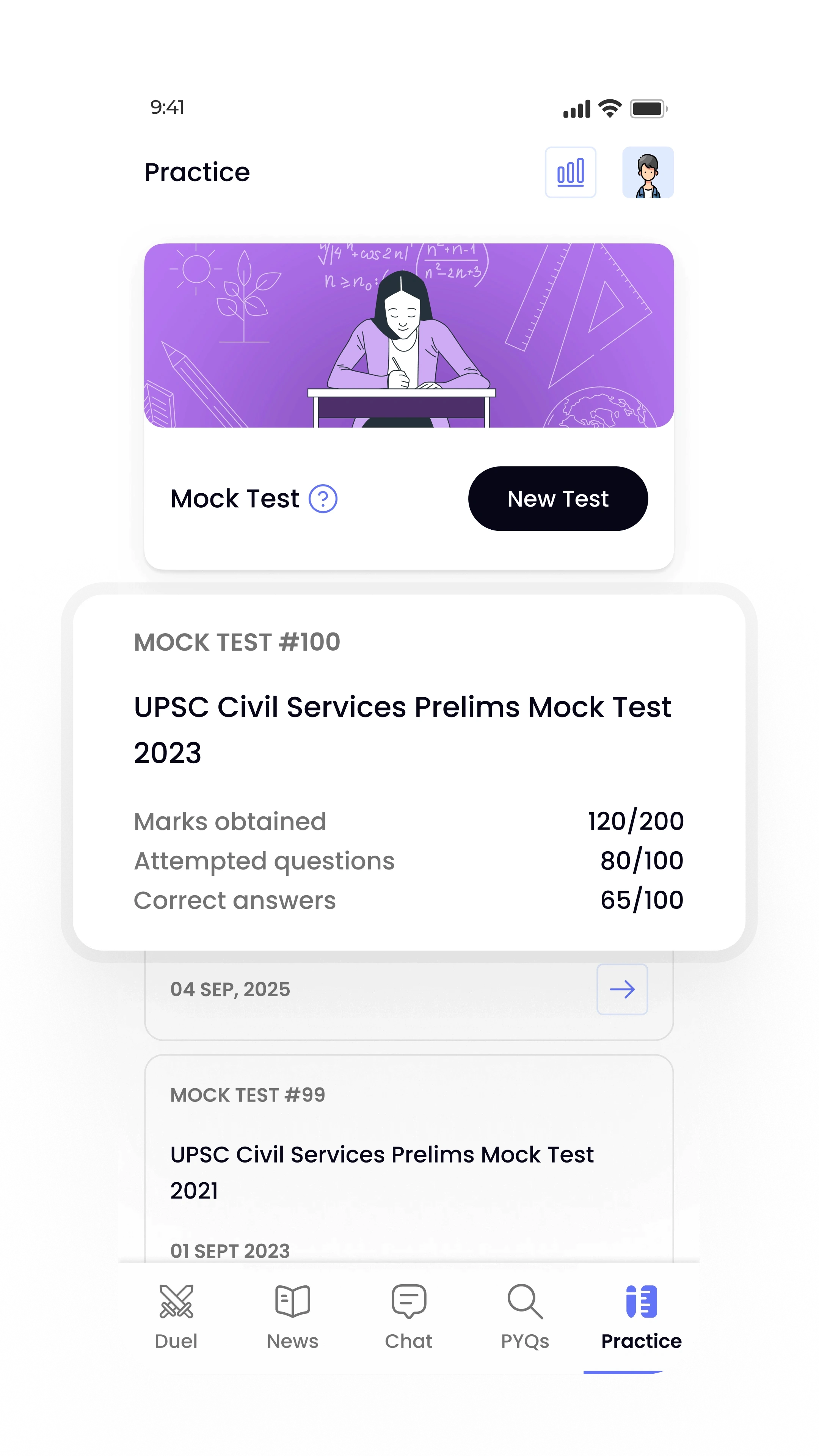
Practice 30k+ MCQs & full GS + CSAT mocks
Play Duel UPSC quizzes with fellow aspirants
a close up of a cell phone with a blurry background

About Author

Gajendra Singh Godara

Growth | FTE| Resident at SigIQ

Gajendra Singh Godara brings authentic UPSC preparation insights from his four-attempt journey, having successfully cleared Prelims and written Mains multiple times. His deep expertise spans Polity, Modern History, International Relations, and Economy. At PadhAI, Gajendra transforms his extensive exam experience into accessible content that simplifies complex concepts for aspirants at every preparation stage. His firsthand understanding of UPSC's demands enables him to create targeted materials that save time while maximizing learning efficiency for current affairs, general studies, and optional subjects.

a close up of a cell phone with a blurry background

About Author

Gajendra Singh Godara

Growth | FTE| Resident at SigIQ

Gajendra Singh Godara brings authentic UPSC preparation insights from his four-attempt journey, having successfully cleared Prelims and written Mains multiple times. His deep expertise spans Polity, Modern History, International Relations, and Economy. At PadhAI, Gajendra transforms his extensive exam experience into accessible content that simplifies complex concepts for aspirants at every preparation stage. His firsthand understanding of UPSC's demands enables him to create targeted materials that save time while maximizing learning efficiency for current affairs, general studies, and optional subjects.

a close up of a cell phone with a blurry background

About Author

Gajendra Singh Godara

Growth | FTE| Resident at SigIQ

Gajendra Singh Godara brings authentic UPSC preparation insights from his four-attempt journey, having successfully cleared Prelims and written Mains multiple times. His deep expertise spans Polity, Modern History, International Relations, and Economy. At PadhAI, Gajendra transforms his extensive exam experience into accessible content that simplifies complex concepts for aspirants at every preparation stage. His firsthand understanding of UPSC's demands enables him to create targeted materials that save time while maximizing learning efficiency for current affairs, general studies, and optional subjects.

a close up of a cell phone with a blurry background

About Author

Gajendra Singh Godara

Growth | FTE| Resident at SigIQ

Gajendra Singh Godara brings authentic UPSC preparation insights from his four-attempt journey, having successfully cleared Prelims and written Mains multiple times. His deep expertise spans Polity, Modern History, International Relations, and Economy. At PadhAI, Gajendra transforms his extensive exam experience into accessible content that simplifies complex concepts for aspirants at every preparation stage. His firsthand understanding of UPSC's demands enables him to create targeted materials that save time while maximizing learning efficiency for current affairs, general studies, and optional subjects.

Latest UPSC Exam 2026 Updates

UPSC Calendar 2026 is released on 15th May, 2025.

UPSC Mains Result 2025 is now released.

Check out the updated and latest UPSC Syllabus 2026 here.

UPSC Notification 2025 was released on 22nd January 2025.

UPSC Prelims 2026 will be conducted on 24th May, 2026 & UPSC Mains 2026 will be conducted on 21st August 2026.

The UPSC Prelims 2026 is scheduled for May 24, 2026, while the UPSC Mains 2026 will be conducted from August 21, 2026.

The UPSC Selection Process is of 3 stages-Prelims, Mains and Interview.

UPSC Result 2024 is released with latest UPSC Marksheet 2024. Check Now!

Latest UPSC Exam 2026 Updates

UPSC Calendar 2026 is released on 15th May, 2025.

UPSC Mains Result 2025 is now released.

Check out the updated and latest UPSC Syllabus 2026 here.

UPSC Notification 2025 was released on 22nd January 2025.

UPSC Prelims 2026 will be conducted on 24th May, 2026 & UPSC Mains 2026 will be conducted on 21st August 2026.

The UPSC Prelims 2026 is scheduled for May 24, 2026, while the UPSC Mains 2026 will be conducted from August 21, 2026.

The UPSC Selection Process is of 3 stages-Prelims, Mains and Interview.

UPSC Result 2024 is released with latest UPSC Marksheet 2024. Check Now!

Latest UPSC Exam 2026 Updates

UPSC Calendar 2026 is released on 15th May, 2025.

UPSC Mains Result 2025 is now released.

Check out the updated and latest UPSC Syllabus 2026 here.

UPSC Notification 2025 was released on 22nd January 2025.

UPSC Prelims 2026 will be conducted on 24th May, 2026 & UPSC Mains 2026 will be conducted on 21st August 2026.

The UPSC Prelims 2026 is scheduled for May 24, 2026, while the UPSC Mains 2026 will be conducted from August 21, 2026.

The UPSC Selection Process is of 3 stages-Prelims, Mains and Interview.

UPSC Result 2024 is released with latest UPSC Marksheet 2024. Check Now!

Latest UPSC Exam 2026 Updates

UPSC Calendar 2026 is released on 15th May, 2025.

UPSC Mains Result 2025 is now released.

Check out the updated and latest UPSC Syllabus 2026 here.

UPSC Notification 2025 was released on 22nd January 2025.

UPSC Prelims 2026 will be conducted on 24th May, 2026 & UPSC Mains 2026 will be conducted on 21st August 2026.

The UPSC Prelims 2026 is scheduled for May 24, 2026, while the UPSC Mains 2026 will be conducted from August 21, 2026.

The UPSC Selection Process is of 3 stages-Prelims, Mains and Interview.

UPSC Result 2024 is released with latest UPSC Marksheet 2024. Check Now!

Why choose PadhAI?

Read daily top news (TH & IE) & Solve Current Affairs MCQs

Topic-wise search of 30+ yrs PYQs

24×7 AI tutor for doubt resolution

Practice 30k+ MCQs & full GS + CSAT mocks

Play Duel UPSC quizzes with fellow aspirants

PadhAI UPSC App

We're PadhAI - a free UPSC prep app built by IITians, AI PhDs & top UPSC experts.

Why choose PadhAI?

Read daily top news (TH & IE) & Solve Current Affairs MCQs

Topic-wise search of 30+ yrs PYQs

24×7 AI tutor for doubt resolution

Practice 30k+ MCQs & full GS + CSAT mocks

Play Duel UPSC quizzes with fellow aspirants

PadhAI UPSC App

We're PadhAI - a free UPSC prep app built by IITians, AI PhDs & top UPSC experts.

Suggested posts

India US Trade Deal
India US Trade Deal

India-US Trade Deal Cuts Tariffs to 18%: Impact on India

India-US trade deal: A strategic reset in ties lowering tariffs from 50% to 18% amid Russian oil tensions. Boost for Make in India in textiles, gems, and marine products etc.
India EU Trade Bill
India EU Trade Bill

India-EU Free Trade Agreement: Objectives, Significance

India-EU Free Trade Agreement referred to as the 'Mother of All Deals.' Learn about its objectives, key challenges, and its benefits for Indian exports, FDI, and job creation.
Board of Peace Plan for Gaza

Trump’s Board of Peace on Gaza: India’s Cautious Stand

Trump's Board of Peace for Gaza reconstruction under UNSC 2803. Why India hesitates to join amid UN bypass and Pakistan role
India US Trade Deal

India-US Trade Deal Cuts Tariffs to 18%: Impact on India

India-US trade deal: A strategic reset in ties lowering tariffs from 50% to 18% amid Russian oil tensions. Boost for Make in India in textiles, gems, and marine products etc.
India EU Trade Bill

India-EU Free Trade Agreement: Objectives, Significance

India-EU Free Trade Agreement referred to as the 'Mother of All Deals.' Learn about its objectives, key challenges, and its benefits for Indian exports, FDI, and job creation.
Board of Peace Plan for Gaza

Trump’s Board of Peace on Gaza: India’s Cautious Stand

Trump's Board of Peace for Gaza reconstruction under UNSC 2803. Why India hesitates to join amid UN bypass and Pakistan role
World Economic Forum 2026

World Economic Forum (WEF): Davos Summit 2026, Members & Key Reports

World Economic Forum 2026: Understand the Davos summit 2026, Members, Headquarters and reports like Global Risks Report. Learn how the WEF shapes policy in the Intelligent Age.

Download PadhAI App

Don't get left behind in your preparation

Download PadhAI App

Don't get left behind in your preparation

Download PadhAI App

Don't get left behind in your preparation

Download PadhAI App

Don't get left behind in your preparation

PadhAI is a product of SigIQ AI, and Metayb is a recognized reseller authorized to sell PadhAI subscriptions.

Address

Metayb private limited, 3rd floor, Electrical and Electronic, ALG Towers, Plot no. 48, main road, Industrial Estate, Perungudi, Chennai, Tamil Nadu 600096

© 2025-2026, All Rights Reserved

PadhAI is a product of SigIQ AI, and Metayb is a recognized reseller authorized to sell PadhAI subscriptions.

Address

Metayb private limited, 3rd floor, Electrical and Electronic, ALG Towers, Plot no. 48, main road, Industrial Estate, Perungudi, Chennai, Tamil Nadu 600096

© 2025-2026, All Rights Reserved

PadhAI is a product of SigIQ AI, and Metayb is a recognized reseller authorized to sell PadhAI subscriptions.

Address

Metayb private limited, 3rd floor, Electrical and Electronic, ALG Towers, Plot no. 48, main road, Industrial Estate, Perungudi, Chennai, Tamil Nadu 600096

© 2025-2026, All Rights Reserved

PadhAI is a product of SigIQ AI, and Metayb is a recognized reseller authorized to sell PadhAI subscriptions.

Address

Metayb private limited, 3rd floor, Electrical and Electronic, ALG Towers, Plot no. 48, main road, Industrial Estate, Perungudi, Chennai, Tamil Nadu 600096

© 2025-2026, All Rights Reserved

Current Affairs

UPSC Resources

UPSC updates

General studies

UPSC Preparation