SIM Binding: New Mandatory Norms for Online Messaging Platforms
DoT mandates SIM binding for WhatsApp, Telegram & messaging apps within 90 days to combat cyber fraud, digital arrests & unauthorized account access.

Gajendra Singh Godara
Last updated
5
mins read
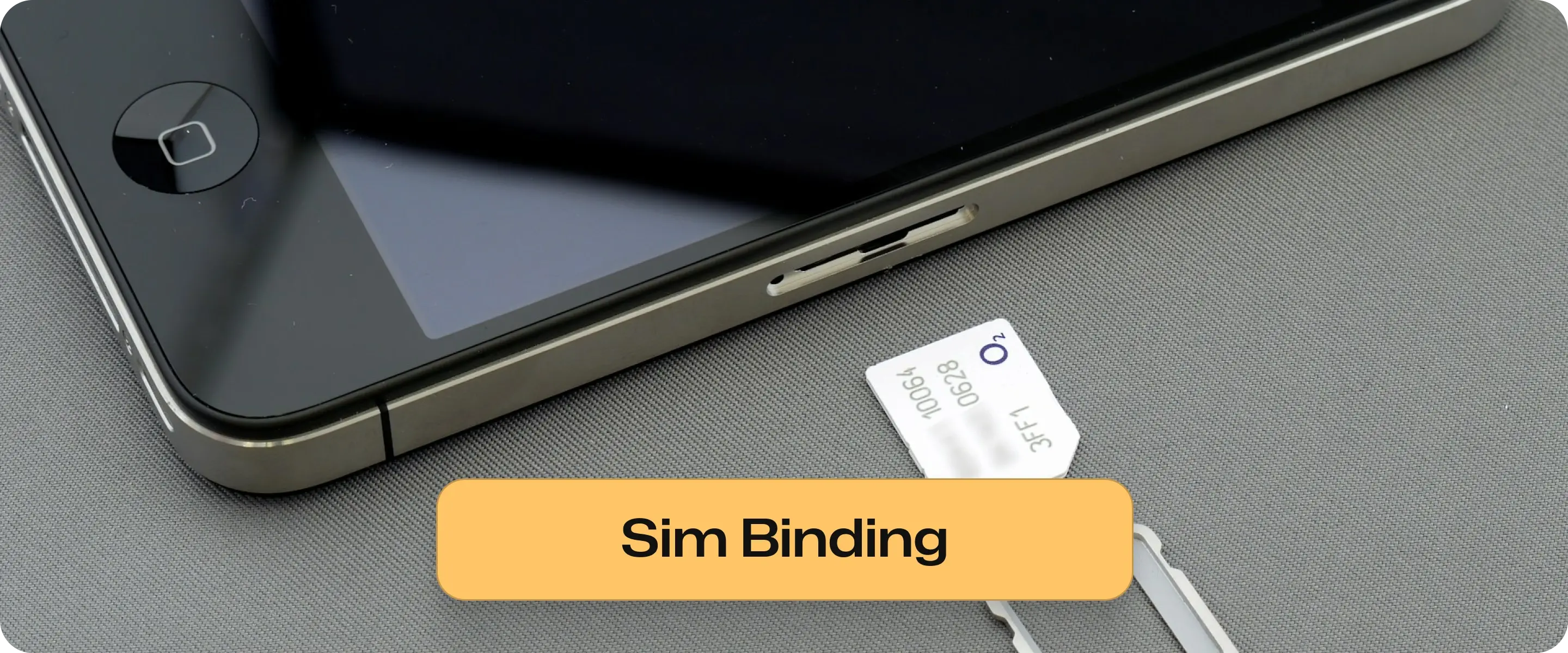
The Department of Telecommunications (DoT) has issued a strict directive to Over-The-Top (OTT) communication applications. This includes major platforms like WhatsApp, Telegram, Signal, and Snapchat. They have been instructed to implement a feature called sim binding within a 90-day deadline.
This move aims to align the security protocols of messaging apps with the rigorous standards already used by banking and Unified Payment Interface (UPI) platforms.
To understand why this change is happening, we first need to look at how criminals exploit the current system.
Right now, messaging apps rely on "Account-Based Trust." When you install WhatsApp, it asks for your phone number. It sends a One-Time Password (OTP) to verify you own that number.
Once that single check is done, the app trusts the device, not the SIM card.
The Fraudster's Trick: Cybercriminals, often operating from outside India, acquire Indian mobile numbers.
The Disconnect: They verify the app using the OTP. After that, they can remove the SIM card, throw it away, or let it deactivate.
The Result: The criminal continues to use the "Indian" WhatsApp account over Wi-Fi from a foreign country. Because the physical SIM is not in their phone, Indian law enforcement cannot track their location using telecom towers.
This creates a "ghost user” which is an Indian number operating without an Indian location.
Join our WhatsApp Community
SIM binding changes the rules of the game. It shifts the security model to "Device-Based Trust." It is a technology that cryptographically links your mobile application to the specific, unique identity of the SIM card physically present in your device.
To understand what SIM Binding is, think of it like a car key.
Currently: You need the key (SIM) only once to start the car (App). After that, the car keeps running even if you throw the key out the window.
With SIM Binding: The key must remain in the ignition at all times. If you remove the key, the engine cuts off immediately.
Under the new sim binding feature, the app will constantly check: "Is the SIM card for this number physically inside this phone?" If the answer is no, the app stops working.
This update is not just about fixing a bug; it is about national security and fraud prevention.
Stopping "Digital Arrests": A common scam involves fraudsters posing as police officers on video calls. They use Indian numbers to look legitimate. SIM binding makes it much harder for foreign syndicates to maintain these numbers without a physical presence in India.
Ending Anonymous Operations: Without the physical SIM, there is no record of where the phone actually is. This detachment allows hackers and spammers to operate anonymously. The new rule forces a digital footprint.
Preventing Misuse of Deactivated Numbers: Often, users change numbers but forget to delete their old WhatsApp accounts. Fraudsters can access these recycled numbers. SIM binding ensures that if a SIM is inactive, the associated app account cannot remain active.
Add as a preferred Source on Google
The government’s directive introduces strict compliance norms for "Telecommunication Identifier User Entities" (TIUEs) under the Telecommunication Cybersecurity Amendment Rules, 2025.
Continuous Verification: Apps must ensure their services work only when the correct SIM card is inside the phone.
90-Day Deadline: All platforms must complete this technical transition within three months.
Web Session Limits: For web versions (like WhatsApp Web), users may face periodic logouts (e.g., every 6 hours). This forces re-authentication to prove the primary device is still in the user's possession.
Alignment with Finance Apps: Financial apps already use this. You cannot use Google Pay or Paytm if you remove your SIM card. Now, your chat apps will be just as secure.
Prelims
Q. In India, the term “Public Key Infrastructure” is used in the context of (2020)
Digital security infrastructure
Food security infrastructure
Health care and education infrastructure
Telecommunication and transportation infrastructure
Ans: (a)
Mains
Q. Why is there a need for overhauling telecom legislation in India? Discuss the key features of the Telecommunications Bill 2023. (2023)
Frequently asked question (FAQs)
What is “SIM binding” in messaging apps?
Why has the government made SIM binding compulsory?
Which platforms will have to follow this rule?
What are the important technical rules introduced under SIM binding?
How will SIM binding affect users?
The introduction of mandatory sim binding effectively closes a critical loophole used by international syndicates to impersonate Indian citizens. While this may introduce slight friction for users who frequently switch devices or travel with different SIM cards, the security benefits are massive. For UPSC aspirants, this development highlights the government's proactive approach to technological sovereignty, ensuring that the laws of the land apply effectively to the digital world.




Research methodology
PadhAI's research methodology ensures every article is accurate, UPSC-ready, and beginner-friendly. We curate current affairs analysis based on UPSC exam relevance by cross-referencing The Hindu, Indian Express, and PIB. General Studies (GS) topics are drafted from NCERTs and standard books such as M. Laxmikanth, Spectrum, and GC Leong, then reviewed by subject matter experts to eliminate factual errors. Additionally, we update aspirants with verified government exam notifications alongside expert blogs suggesting the best resources, syllabus, and comprehensive Prelims and Mains strategies.


Gajendra Singh Godara is an IIT Bombay graduate and a UPSC aspirant with 4 attempts, including multiple Prelims and Mains appearances. He specializes in Polity, Modern History, International Relations, and Economy. At PadhAI, Gajendra leverages his firsthand exam experience to simplify complex concepts, creating high-efficiency study materials that help aspirants save time and stay focused.
No comments yet. Be the first to join the discussion!