UPSC Rank 301 (Akanksha Singh): 2 Candidates Claim Same Rank
UPSC CSE 2025 results triggered debate when two candidates named Akanksha Singh claimed Rank 301. This article explains the identity dispute, result process, and what UPSC aspirants should learn from the situation.

Last updated
8
mins read

Key Highlights
• Two candidates named Akanksha Singh claimed UPSC Rank 301 in CSE 2025
• The issue spread across social media after both shared result details
• The case raised questions about roll numbers and identity verification
• UPSC has strict result authentication procedures
• Aspirants must verify results only through official sources
UPSC Civil Services Examination results often shape the careers of thousands of aspirants each year. The UPSC CSE 2025 result created a rare dispute when two candidates named Akanksha Singh claimed Rank 301.
One candidate reported roots in Bihar while another stated she belonged to Uttar Pradesh. Both candidates posted evidence online.
This event led many aspirants to search for the UPSC Rank 301 controversy. Students also asked how such a situation can appear in a highly regulated exam.
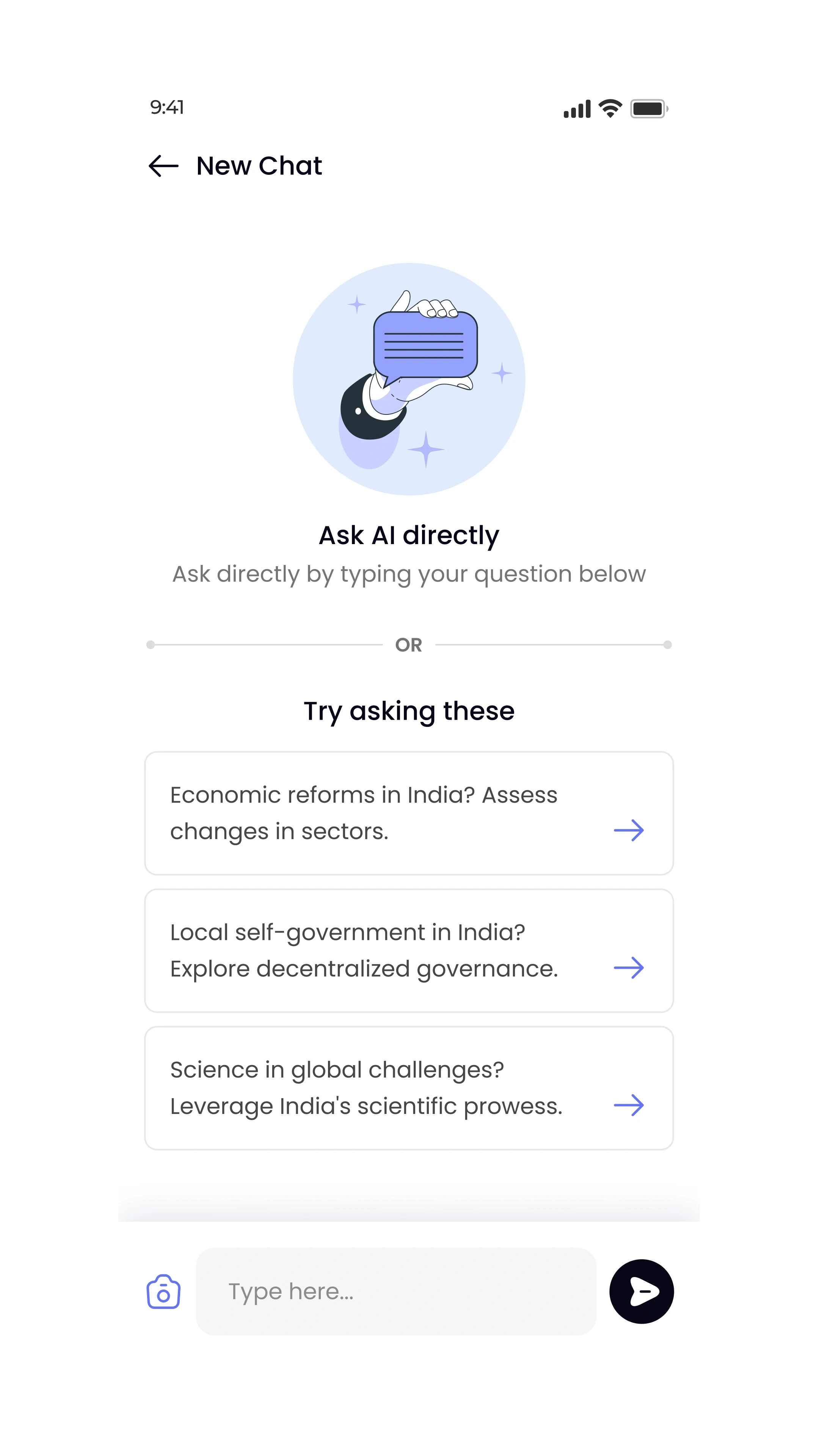
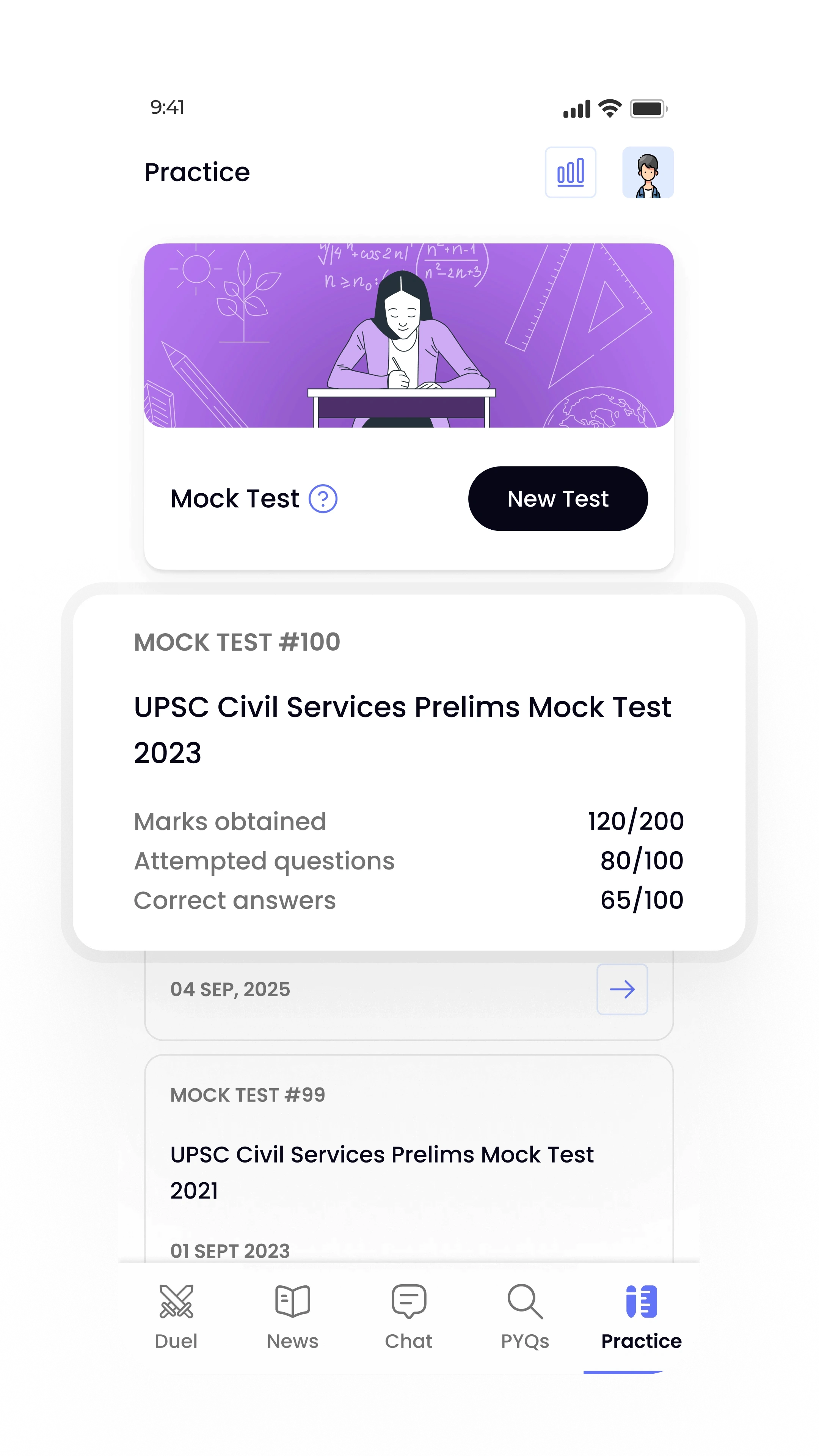
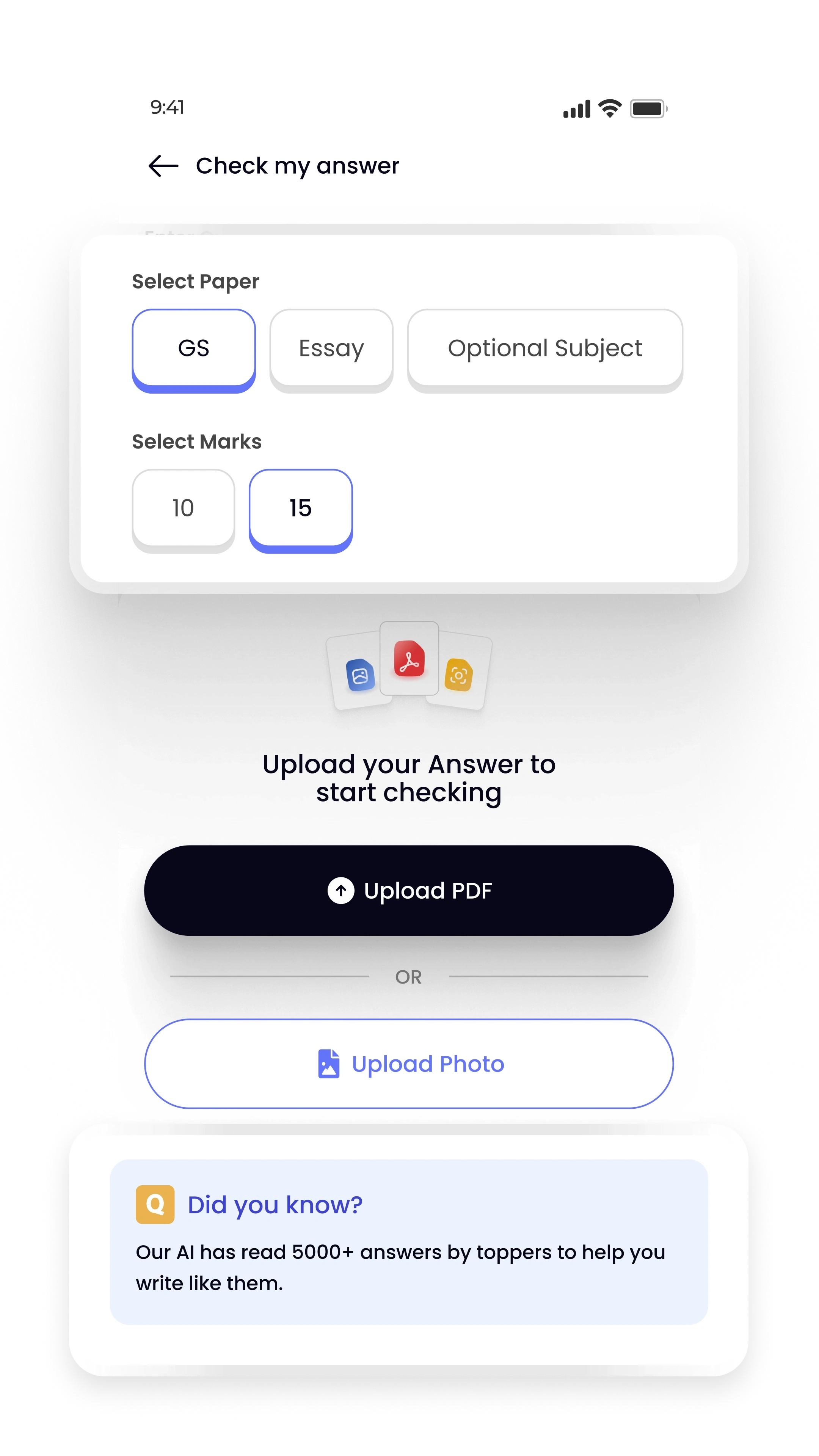
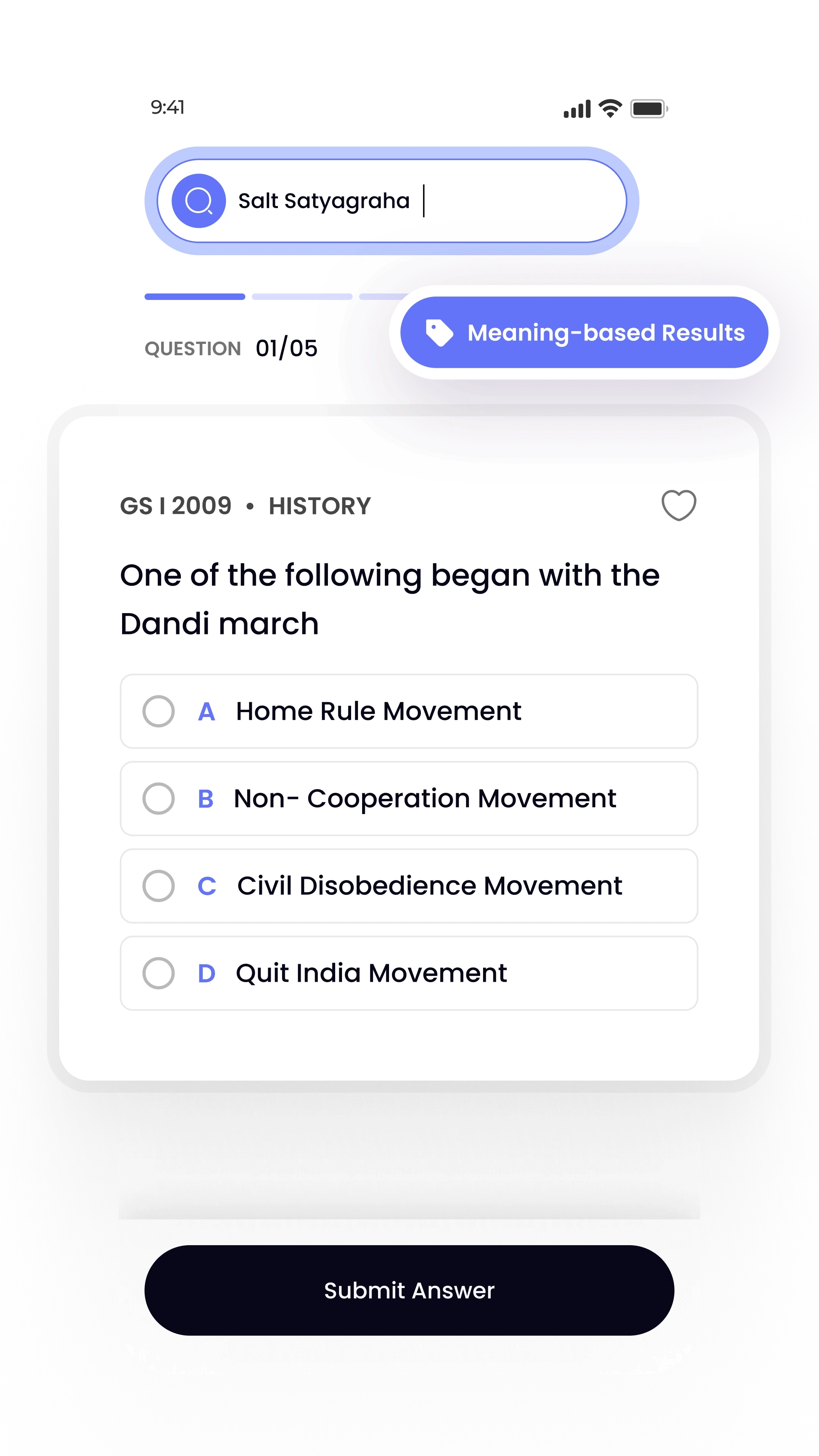
The following guide explains the controversy, the UPSC result system, and lessons for aspirants preparing through platforms like PadhAI, an AI powered IAS preparation app that supports practice questions, news learning, and revision duels.
The UPSC Rank 301 controversy refers to a dispute during the Civil Services Examination 2025 result where two individuals named Akanksha Singh claimed the same rank.
The issue began after UPSC released the final merit list of successful candidates. The list displayed names and roll numbers. Soon after the announcement, two women named Akanksha Singh posted messages stating they secured Rank 301.
Table: Candidate profile comparison
Factor | Candidate 1 | Candidate 2 |
Name | Akanksha Singh | Akanksha Singh |
Reported State | Bihar | Uttar Pradesh |
Claimed Rank | 301 | 301 |
Public Evidence | Result Screenshot Share Online | Social Media Statement |
This situation triggered questions across UPSC preparation forums. Aspirants asked whether the same name could appear twice with the same rank.
Join our WhatsApp Community
The controversy began when two public claims appeared on social media shortly after the result announcement.
Reports from NDTV and India Today indicated that both candidates identified themselves as Rank 301 holders. This triggered confusion among aspirants.
Three factors intensified the discussion:
Same candidate name
Same rank claim
Rapid spread across social media
Many UPSC aspirants searched for clarification. Coaching communities and discussion groups debated whether a data mismatch occurred.
Yes. Multiple candidates can share the same name in UPSC results.
UPSC relies on roll numbers for identification. Names do not act as the primary identity marker.
For example, several candidates across different years shared common names such as:
• Rahul Sharma
• Neha Singh
• Ankit Kumar
These candidates appear separately in the merit list because their roll numbers differ.
Aspirants must always verify results using roll numbers rather than names.
Add as a preferred Source on Google
UPSC publishes Civil Services Examination results using a structured verification process.
The UPSC final result list contains three core identifiers:
Candidate Name
Roll Number
Rank
UPSC primarily uses the roll number as the unique identity marker. Names can repeat since multiple candidates across India may share the same name.
The UPSC CSE process includes the following stages:
Stage | Description |
Preliminary Examination | Screening test with objective questions |
Main Examination | Nine written papers |
Personality Test | Interview conducted by UPSC board |
Final Merit List | Ranking based on Mains and Interview marks |
Official results appear on the UPSC website: https://www.upsc.gov.in
The rank required for the Indian Administrative Service varies each year based on vacancies and category wise cutoffs.
The typical trend is shown below.
Approximate Rank Range for IAS Allocation
Category | Approx Rank Range |
General | 1 to 80 |
OBC | 90 to 300 |
SC | 300 to 450 |
ST | 450 to 600 |
Source: UPSC Annual Report 2024 (upsc.gov.in)
A rank like 301 often leads to services such as:
• Indian Police Service
• Indian Revenue Service
• Central Civil Services
Aspirants can review the full service allocation data through the internal guide: UPSC Toppers List
Anuj Agnihotri secured the AIR 1 & represents the highest scoring candidate among thousands who appear for the exam. UPSC Rank 1 refers to the candidate who scored the highest combined marks in the Main examination and Personality Test.
The UPSC Rank 301 controversy offers practical lessons for aspirants.
First, always verify results using official roll numbers. Social media screenshots may contain incorrect information. Always cross-reference your results across different stages. For instance, a candidate's journey can be verified by checking their roll number in the UPSC Prelims 2025 Result and following it through to the final merit list.
Second, rely on the official UPSC website for confirmation.
Third, stay focused on preparation rather than online speculation.
Platforms like PadhAI help aspirants stay consistent through structured revision tools. The platform provides:
• Current affairs linked with PYQs
• AI tutor based doubt resolution
• Revision duels for quick memory testing
Yes. The UPSC result system uses multiple verification layers.
The process includes:
• Digital evaluation of answer sheets
• Interview board scoring
• Result compilation verification
• Official publication on UPSC website
These layers reduce the probability of rank duplication.
Why Result Transparency Matters for UPSC Aspirants
Civil Services Examination represents one of India's most competitive exams. Around 10 lakh candidates apply each year.
Transparency in result publication builds trust among aspirants.
Clear communication from UPSC also reduces misinformation. Aspirants benefit when they rely on verified sources and structured preparation.
Frequently asked question (FAQs)
Who is Akanksha Singh in the UPSC Rank 301 controversy?
Can two candidates have the same name in UPSC results?
Did UPSC confirm two Rank 301 candidates?
What rank is required for IAS in UPSC?
Where should aspirants check UPSC results?
The UPSC Rank 301 Akanksha Singh controversy emerged after two individuals with the same name claimed the same rank in the Civil Services Examination 2025.
The official UPSC merit list identifies candidates through roll numbers, which means identical names can appear in separate contexts. Reports indicate that the official roll number corresponds to one candidate.
For aspirants, the key lesson remains simple. Always verify results through the UPSC website. Avoid relying on screenshots circulating online. Focus on preparation strategy, previous year questions, and structured revision tools such as PadhAI.







No comments yet. Be the first to join the discussion!