GI Tags in India

History, A&C, Current affair

UPSC Prelims

Current affairs

Latest Update

Gajendra Singh Godara

6

mins read

Important Terms for Prelims

Important Terms for Prelims

Important Terms for Prelims

GI Tag, Intellectual Property Rights (IPR), TRIPS Agreement, WTO, Registrar of Geographical Indications, Agricultural vs. Handicraft GI, GI Logo & Tagline

Important Terms for Mains

Important Terms for Mains

Important Terms for Mains

Constitutional Provisions, GI Act 1999, Rural Empowerment, TRIPS Agreement, WTO, Cultural Identity, Traditional Knowledge, Soft Power, Export Promotion, IPR Enforcement, Branding, Post-registration Support
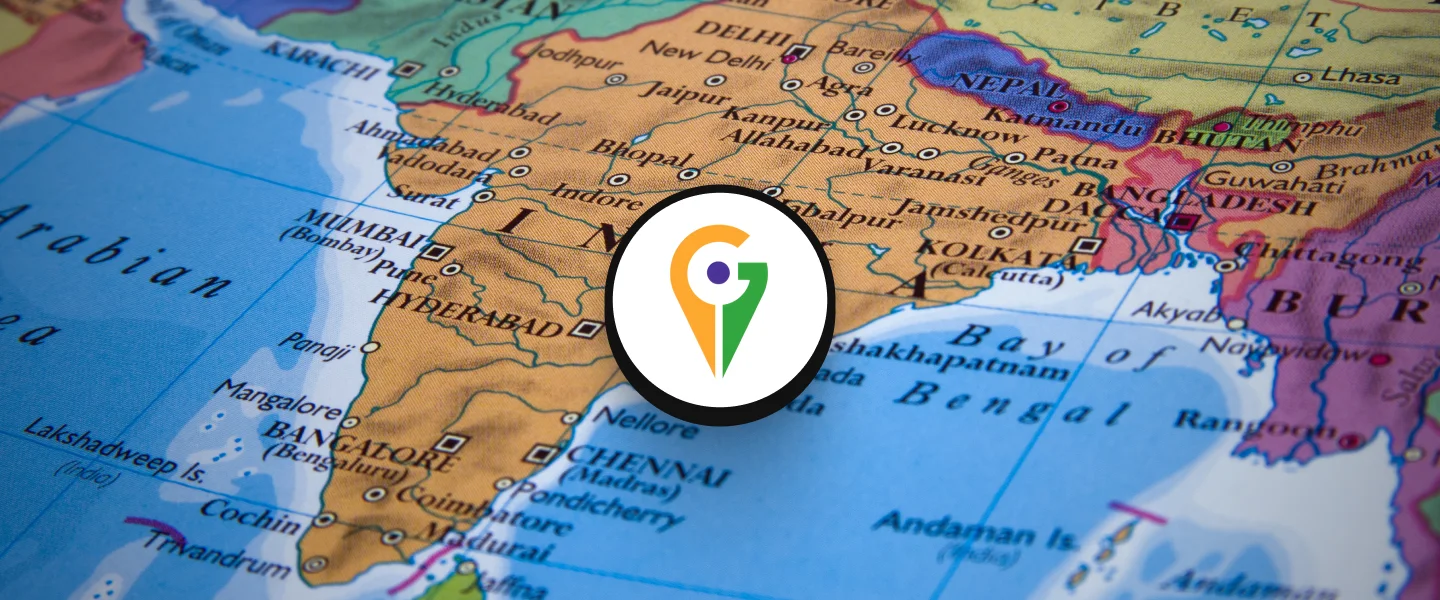
Close-up of a political map of India and surrounding countries, with a circular icon at the center representing Digital India, placed over the Indian subcontinent near Hyderabad and Chennai.

Introduction

Introduction

Geographical Indications (GI) are signs used on products that have a specific geographical origin and possess qualities or a reputation due to that origin. GI Tags act as intellectual property rights, helping preserve traditional knowledge, promote rural development, and strengthen India’s cultural economy. From Darjeeling Tea to Mysore Silk, GI Tags represent India’s unique regional identities. For UPSC aspirants, GI Tags are important for both prelims and mains due to their economic, cultural, and legal relevance.

Legal Framework for GI Tags in India

India's legal structure for GI tags ensures protection, registration, and international compliance:

  • The Geographical Indications of Goods (Registration and Protection) Act, 1999: This is the principal Indian legislation for the registration and better protection of geographical indications relating to goods. It came into force in 2003.

  • Administering Authority: The GI Registry in Chennai, under the Controller General of Patents, Designs and Trade Marks, is responsible for the registration.

  • TRIPS Agreement under WTO (1994): India, as a WTO member, adheres to the TRIPS provisions which obligate all member nations to recognize GI as a form of intellectual property.

  • Duration and Renewal: GI registration is valid for 10 years and can be renewed from time to time.

Join our WhatsApp Community

Benefits of GI Tags

  • Boosts Exports and Local Economy: GI tags help producers secure a premium price in domestic and international markets.

  • Legal Protection and Ownership: Prevents unauthorized use and enhances market differentiation through exclusive ownership rights.

  • Preserves Traditional Knowledge: Safeguards indigenous practices, traditional farming techniques, and crafts.

  • Rural Employment Generation: Promotes sustainable livelihoods by supporting artisans, farmers, and small producers.

  • Enhances Cultural Visibility: Strengthens India's soft power by showcasing regional uniqueness and heritage.

UPSC Current Affairs Magazines

UPSC Current Affairs Magazines

Read Latest UPSC Current Affairs

Read Latest UPSC Current Affairs

Recent GI Tag Additions (May 2024 – March 2025)

(Include a few authentic and confirmed GI tags added in this period with their state and product category: agricultural, foodstuff, handicraft, etc.)

  1. Majuli Masks – Assam – Handicraft (Traditional masks used in Satriya dance and Vaishnavite culture)

  2. Kodaikanal Garlic – Tamil Nadu – Agricultural

  3. Moirang Phee Fabric – Manipur – Textile Handicraft

  4. Bhoramdeo Metal Art – Chhattisgarh – Handicraft

  5. Sitamarhi Paintings – Bihar – Handicraft

Add as a preferred Source on Google

State-wise List of Notable GI Tags

  • Andhra Pradesh: Kondapalli Toys, Kalamkari Paintings, Etikoppaka Toys

  • Arunachal Pradesh: Yak Churpi, Arunachal Orange

  • Assam: Muga Silk, Majuli Masks, Boka Chaul

  • Bihar: Bhagalpuri Silk, Sikki Grass Products, Sitamarhi Paintings

  • Chhattisgarh: Bhoramdeo Metal Art, Bastar Dhokra Craft

  • Goa: Feni (Country Liquor)

  • Gujarat: Patola Sarees, Agate Stone Craft

  • Haryana: Phulkari (shared with Punjab)

  • Himachal Pradesh: Kullu Shawl, Chamba Rumal

  • Jharkhand: Sohrai Khovar Painting

  • Karnataka: Mysore Silk, Coorg Orange, Bidriware

  • Kerala: Aranmula Kannadi, Alleppey Coir, Wayanad Jeerakasala Rice

  • Madhya Pradesh: Chanderi Saree, Maheshwari Saree

  • Maharashtra: Warli Painting, Paithani Saree, Nashik Grapes

  • Manipur: Moirang Phee Fabric, Chak-Hao Rice

  • Meghalaya: Garo Dakmanda Fabric (in process)

  • Mizoram: Mizo Puanchei (in process)

  • Nagaland: Naga Mircha (King Chilli), Chakhesang Shawls

  • Odisha: Rasagola, Kotpad Handloom, Gopalpur Tussar Fabric

  • Punjab: Phulkari, Amritsar Papad

  • Rajasthan: Blue Pottery of Jaipur, Kathputli Dolls

  • Sikkim: Dalle Khursani (chilli)

  • Tamil Nadu: Kanchipuram Silk Saree, Madurai Malli, Dindigul Locks, Kodaikanal Garlic

  • Telangana: Pochampally Ikat, Nirmal Toys

  • Tripura: Tripura Queen Pineapple (in process)

  • Uttar Pradesh: Banarasi Saree, Agra Petha, Chunar Sandstone

  • Uttarakhand: Uttarakhand Tejpat, Aipan Art (in process)

  • West Bengal: Darjeeling Tea, Nakshi Kantha

Challenges in GI Tag Implementation

Initiatives Taken by India to Strengthen GI Tag System

  • GI Samagam & Target of 10,000 GI Tags: In 2024, the Union Minister of Commerce & Industry set a vision to increase the number of registered GI Tags in India to 10,000 by 2030, underlining its strategic importance in preserving traditional heritage and boosting exports.

  • GI Logo & Tagline: India has launched a unique GI logo along with the tagline — "Invaluable Treasures of Incredible India" — to foster awareness and distinguish authentic GI-tagged products.

  • Export Facilitation through APEDA: The Agricultural and Processed Food Products Export Development Authority (APEDA) is actively facilitating the export of GI products. Successful examples include:

    • Naga Mircha (Nagaland) and Black Rice (Manipur) exported to the UK

    • Assam Lemon exported to Italy

  • One District One Product (ODOP) Initiative: ODOP, under the Districts as Export Hubs (DEH) initiative, promotes GI-tagged and regionally significant products by linking them with branding and export strategies.

  • Open Network for Digital Commerce (ONDC): The ONDC platform integrates GI-tagged products, enabling access to national and global markets for rural artisans and producers by facilitating e-commerce reach.

Global Comparison

  • France: Known for its stringent GI protection, especially for wine and cheese (e.g., Champagne, Roquefort). GIs are tightly regulated by national bodies.

  • Italy: The EU’s Protected Designation of Origin (PDO) and Protected Geographical Indication (PGI) have made products like Parma Ham and Balsamic Vinegar internationally recognized.

  • China: Has aggressively expanded its domestic GI system and secured global recognition through bilateral trade agreements.

  • India’s Position: Though India has over 450 registered GIs, export readiness, brand visibility, and GI-linked tourism remain underdeveloped. Strengthening promotional infrastructure and international collaboration can improve India’s GI impact.

💡 Quick Note for Aspirants: Want to ace your UPSC prep? The PadhAI App is your all-in-one platform for daily current affairs, meaning-based PYQs, 24/7 AI TutorChat, mock exams, CSAT practice, NCERT textbooks, and more — everything you need to stay ahead in current affairs-heavy topics like GI Tags!

Frequently asked question (FAQs)

Frequently asked question (FAQs)

Frequently asked question (FAQs)

What are GI tags in India?
Which products have GI tags in India?
How does a GI tag benefit producers?
Who grants GI tags in India?
Why are GI tags important for UPSC?

Conclusion

Conclusion

Geographical Indication Tags are vital tools for economic empowerment, especially in rural and artisanal sectors. They not only help protect traditional knowledge and craftsmanship but also provide global branding to India’s heritage. With increasing awareness and legal backing, GI Tags can significantly contribute to India’s soft power and inclusive development. For UPSC aspirants, staying updated on GI Tag developments is essential for both Prelims and Mains.

Previous Year UPSC Prelims Question

Previous Year UPSC Prelims Question

Previous Year UPSC Prelims Question

Prelims Questions

Mains Questions

Suggested blogs

How Many Attempts for UPSC CSE: General, OBC, SC/ST, EWS

UPSC Attempt Limits and Upper Age Limit for Each Category. General: 6 Attempts Until 32 Years. OBC: 9 Attempts Until 35. SC/ST: Unlimited Until 37.

How Many Attempts for UPSC

UPSC Attempt Limits and Upper Age Limit for Each Category. General: 6 Attempts Until 32 Years. OBC: 9 Attempts Until 35. SC/ST: Unlimited Until 37.

How Many Attempts for UPSC CSE: General, OBC, SC/ST, EWS

UPSC Attempt Limits and Upper Age Limit for Each Category. General: 6 Attempts Until 32 Years. OBC: 9 Attempts Until 35. SC/ST: Unlimited Until 37.

How Many Attempts for UPSC

UPSC Attempt Limits and Upper Age Limit for Each Category. General: 6 Attempts Until 32 Years. OBC: 9 Attempts Until 35. SC/ST: Unlimited Until 37.

UPSC Mains Result 2025 Out: Roll-Number & Name-Wise PDFs

Check UPSC Mains Result 2025: Download Roll Number & Name Wise Pdf, Get Official UPSC Update.

UPSC Mains Result 2025

Check UPSC Mains Result 2025: Download Roll Number & Name Wise Pdf, Get Official UPSC Update.

UPSC Mains Result 2025 Out: Roll-Number & Name-Wise PDFs

Check UPSC Mains Result 2025: Download Roll Number & Name Wise Pdf, Get Official UPSC Update.

UPSC Mains Result 2025

Check UPSC Mains Result 2025: Download Roll Number & Name Wise Pdf, Get Official UPSC Update.

Types of Forests in India: Tropical, Montane, Alpine and Features

India's 5 forest types: Tropical Evergreen, Deciduous, Montane, Alpine & Mangroves. Includes Distribution map, Key species, Conservation efforts and Climate zones.

Types of Forests in India

India's 5 forest types: Tropical Evergreen, Deciduous, Montane, Alpine & Mangroves. Includes Distribution map, Key species, Conservation efforts and Climate zones.

Types of Forests in India: Tropical, Montane, Alpine and Features

India's 5 forest types: Tropical Evergreen, Deciduous, Montane, Alpine & Mangroves. Includes Distribution map, Key species, Conservation efforts and Climate zones.

Types of Forests in India

India's 5 forest types: Tropical Evergreen, Deciduous, Montane, Alpine & Mangroves. Includes Distribution map, Key species, Conservation efforts and Climate zones.

PadhAI UPSC App

We're PadhAI - a free UPSC prep app built by IITians, AI PhDs & top UPSC experts.

Why choose PadhAI?

Read daily top news (TH & IE) & Solve Current Affairs MCQs
Topic-wise search of 30+ yrs PYQs
24×7 AI tutor for doubt resolution
Practice 30k+ MCQs & full GS + CSAT mocks
Play Duel UPSC quizzes with fellow aspirants

Research methodology

PadhAI's research methodology ensures every article is accurate, UPSC-ready, and beginner-friendly. We curate current affairs analysis based on UPSC exam relevance by cross-referencing The Hindu, Indian Express, and PIB. General Studies (GS) topics are drafted from NCERTs and standard books such as M. Laxmikanth, Spectrum, and GC Leong, then reviewed by subject matter experts to eliminate factual errors. Additionally, we update aspirants with verified government exam notifications alongside expert blogs suggesting the best resources, syllabus, and comprehensive Prelims and Mains strategies.

a close up of a cell phone with a blurry background

About Author

Gajendra Singh Godara

Growth | FTE| Resident at SigIQ

Gajendra Singh Godara is an IIT Bombay graduate and a UPSC aspirant with 4 attempts, including multiple Prelims and Mains appearances. He specializes in Polity, Modern History, International Relations, and Economy. At PadhAI, Gajendra leverages his firsthand exam experience to simplify complex concepts, creating high-efficiency study materials that help aspirants save time and stay focused.

Latest UPSC Exam 2026 Updates

The final list of selected candidates for UPSC CSE 2025 is now available.
Check the category-wise cut-off marks for the UPSC Civil Services Examination 2025.
The official schedule for UPSC examinations in 2026 has been released on 15 May 2025.
The results of the UPSC Civil Services Mains Examination 2025 have been officially released.
Check the updated and latest syllabus for the UPSC Civil Services Examination 2026.
The official notification for the UPSC Civil Services Examination 2025 was released on 22 January 2025.
Access the UPSC Prelims 2025 question paper along with the unofficial answer key.

UPSC Exam Dates 2026

UPSC Prelims 2026 will be held on 24 May 2026, and UPSC Mains 2026 will begin on 21 August 2026.

UPSC Selection Process

The UPSC Civil Services selection process consists of three stages: Prelims, Mains, and the Interview.

UPSC Result 2024 & Marksheet

The UPSC Civil Services Result 2024 has been released along with the official marksheet.

Latest UPSC Exam 2026 Updates

The final list of selected candidates for UPSC CSE 2025 is now available.
Check the category-wise cut-off marks for the UPSC Civil Services Examination 2025.
The official schedule for UPSC examinations in 2026 has been released on 15 May 2025.
The results of the UPSC Civil Services Mains Examination 2025 have been officially released.
Check the updated and latest syllabus for the UPSC Civil Services Examination 2026.
The official notification for the UPSC Civil Services Examination 2025 was released on 22 January 2025.
Access the UPSC Prelims 2025 question paper along with the unofficial answer key.

UPSC Exam Dates 2026

UPSC Prelims 2026 will be held on 24 May 2026, and UPSC Mains 2026 will begin on 21 August 2026.

UPSC Selection Process

The UPSC Civil Services selection process consists of three stages: Prelims, Mains, and the Interview.

UPSC Result 2024 & Marksheet

The UPSC Civil Services Result 2024 has been released along with the official marksheet.

Join the discussion

No comments yet. Be the first to join the discussion!

Why choose PadhAI?

Read daily top news (TH & IE) & Solve Current Affairs MCQs

Topic-wise search of 30+ yrs PYQs

24×7 AI tutor for doubt resolution

Practice 30k+ MCQs & full GS + CSAT mocks

Play Duel UPSC quizzes with fellow aspirants

PadhAI UPSC App

We're PadhAI - a free UPSC prep app built by IITians, AI PhDs & top UPSC experts.

Why choose PadhAI?

Read daily top news (TH & IE) & Solve Current Affairs MCQs

Topic-wise search of 30+ yrs PYQs

24×7 AI tutor for doubt resolution

Practice 30k+ MCQs & full GS + CSAT mocks

Play Duel UPSC quizzes with fellow aspirants

PadhAI UPSC App

We're PadhAI - a free UPSC prep app built by IITians, AI PhDs & top UPSC experts.

Suggested blogs

How Many Attempts for UPSC

How Many Attempts for UPSC CSE: General, OBC, SC/ST, EWS

UPSC Attempt Limits and Upper Age Limit for Each Category. General: 6 Attempts Until 32 Years. OBC: 9 Attempts Until 35. SC/ST: Unlimited Until 37.

UPSC Mains Result 2025

UPSC Mains Result 2025 Out: Roll-Number & Name-Wise PDFs

Check UPSC Mains Result 2025: Download Roll Number & Name Wise Pdf, Get Official UPSC Update.

Types of Forests in India

Types of Forests in India: Tropical, Montane, Alpine and Features

India's 5 forest types: Tropical Evergreen, Deciduous, Montane, Alpine & Mangroves. Includes Distribution map, Key species, Conservation efforts and Climate zones.

How Many Attempts for UPSC

How Many Attempts for UPSC CSE: General, OBC, SC/ST, EWS

UPSC Attempt Limits and Upper Age Limit for Each Category. General: 6 Attempts Until 32 Years. OBC: 9 Attempts Until 35. SC/ST: Unlimited Until 37.

UPSC Mains Result 2025

UPSC Mains Result 2025 Out: Roll-Number & Name-Wise PDFs

Check UPSC Mains Result 2025: Download Roll Number & Name Wise Pdf, Get Official UPSC Update.

Types of Forests in India

Types of Forests in India: Tropical, Montane, Alpine and Features

India's 5 forest types: Tropical Evergreen, Deciduous, Montane, Alpine & Mangroves. Includes Distribution map, Key species, Conservation efforts and Climate zones.

Schools of Indian Philosophy

Schools of Indian Philosophy: Orthodox & Heterodox Schools

Schools of Indian Philosophy: Six Orthodox Schools of Thought & Heterodox Schools Based on Acceptance or Rejection of the Authority of the Vedas.

Download PadhAI App

Don't get left behind in your preparation

Download PadhAI App

Don't get left behind in your preparation

Download PadhAI App

Don't get left behind in your preparation

Download PadhAI App

Don't get left behind in your preparation

Current Affairs

UPSC Resources

UPSC updates

General studies

UPSC Preparation

Get FREE 1-Year PadhAI Premium Access (Worth ₹3,500)

Get FREE 1-Year PadhAI Premium Access (Worth ₹3,500)