Bisleri Case: Regulatory Gaps in Packaged Drinking Water

FSSAI has sanctioned prosecution against Bisleri for unsafe packaged water containing bromate and PAHs. Learn about the regulatory gaps and challenges.
  • GS 3: Science and Technology
  • GS-III Science & Technology
  • GS-III Environment and Ecology

PadhAI Editorial Team

The Hindu
14
mins Reading time
Add a comment

Join our WhatsApp Community

Why Is Bisleri in the News?

The Food Safety and Standards Authority of India (FSSAI) sanctioned prosecution against Bisleri International Pvt. Ltd. on 22 November 2026. A sample of packaged drinking water from its Goa facility was found to contain bromate and polynuclear aromatic hydrocarbons (PAHs) beyond permissible limits.

Key Highlights of the Bisleri Case

  • FSSAI declared a Bisleri water sample unsafe for containing bromate at 12 micrograms per litre, exceeding the 10 micrograms per litre limit.

  • The sample was collected on 30 September 2025 from Bisleri's Goa facility, one of its 143 plants.

  • Bisleri claims its independent FSSAI-approved test found bromate within limits; results were submitted in February 2026.

  • Bottled water is a primary drinking source for 15% of urban and 6% of rural households in India.

  • In 2023-24, 333 of 1,300 enforcement samples failed standards, compared to 650 of 1,776 in 2022-23.

  • FSSAI's testing scheme mandates regular microbiological, chemical, and pesticide-residue testing for packaged water.

Food Safety and Standards Act, 2006: Basics to Know

  • Definition of food: Section 3(1)(j) defines packaged drinking water as food.

  • FSSAI's role: Under Section 16, FSSAI sets science-based standards for food safety.

  • Manufacturer liability: Sections 26 and 27 make manufacturers responsible for compliance and safety.

  • Penalties: Section 59 prescribes fines and imprisonment for unsafe food, depending on the severity of harm caused.

Bisleri Case Explained

FSSAI's findings and actions

  • FSSAI found bromate and PAHs in one of six samples from Bisleri's Goa plant.

  • Bromate levels were 12 micrograms per litre, exceeding the 10 micrograms per litre limit.

  • FSSAI sanctioned prosecution under the Food Safety and Standards Act, 2006.

Bisleri's response

  • Bisleri appealed on 22 November 2025, citing its independent FSSAI-approved test results.

  • The Referral Food Laboratory found bromate within limits but detected PAHs.

  • Bisleri submitted its test results to FSSAI's Western Regional Office in February 2026.

Health risks of bromate and PAHs

  • Bromate is a by-product of ozone disinfection, classified as possibly carcinogenic (IARC Group 2B).

  • PAHs, including carcinogenic benzo[a]pyrene (IARC Group 1), arise from incomplete combustion and industrial emissions.

  • Both contaminants can cause severe health issues, including cancer and organ damage, at high exposure levels.

Significance of the Bisleri Case for India

  • The case highlights gaps in the enforcement of food safety standards for packaged drinking water.

  • It raises public health concerns, as bottled water is a primary drinking source for many households.

  • UPSC could frame questions on regulatory frameworks, public health, or the role of FSSAI in ensuring food safety.

  • It underscores the need for stricter monitoring of high-risk food products like packaged water.

Challenges in Food Safety Regulation

  • Inconsistent enforcement, as seen in the varying failure rates of enforcement samples across years.

  • Limited capacity for regular and comprehensive testing in FSSAI-notified laboratories.

  • Absence of regulations for microplastics and plastic-derived contaminants in bottled water.

  • Potential conflicts between FSSAI and manufacturers over test results and compliance.

Way Forward for Food Safety Regulation

  • FSSAI: Strengthen laboratory infrastructure and ensure timely, transparent testing and reporting.

  • Parliament: Consider reintroducing mandatory BIS certification for packaged drinking and mineral water.

  • Manufacturers: Ensure stricter internal quality controls and compliance with all FSSAI standards.

  • Public awareness: Educate consumers on safe bottled water practices and the risks of microplastics.

PYQs (Prelims)

Question 1 of 3

Question 1UPSC Prelims 2013

Which of the following can be found as pollutants in the drinking water in some parts of India?

  1. Arsenic

  2. Sorbitol

  3. Fluoride

  4. Formaldehyde

  5. Uranium

Select the correct answer using the codes given below.

Select an option to check your answer.

Prelims Practice Quiz

Consider the following statements about bromate and PAHs:

How many of the above statements are correct?

  1. 1Bromate is classified as possibly carcinogenic to humans by the IARC.
  2. 2PAHs are inorganic compounds formed during ozone disinfection of water.
  3. 3The WHO guideline for benzo[a]pyrene in water is 0.7 micrograms per litre.
Select an option to check your answer.

Frequently Asked Questions

Have questions about this article? Find answers to everything you need to know.

Q1

What is the Bisleri case about?

The Bisleri case involves FSSAI sanctioning prosecution after a sample of packaged drinking water from its Goa plant was found unsafe due to bromate and PAHs.

Q2

Q2

What are bromate and PAHs in water?

Bromate is a by-product of ozone disinfection, possibly carcinogenic. PAHs are organic compounds from combustion, with some being carcinogenic, like benzo[a]pyrene.

Q3

Q3

What is the WHO guideline for bromate in drinking water?

The World Health Organization guideline for bromate in drinking water is 10 micrograms per litre.

UPSC Current Affairs Magazines

Read Latest UPSC Current Affairs

Read Latest UPSC Current Affairs

Add as a preferred Source on Google

Suggested blogs

Content

24-nov-2026-higher-education-merit-governance

Content

24-nov-2026-cop31-deadlock-india

Content

23-nov-2026-india-france-space-cooperation

PadhAI UPSC App

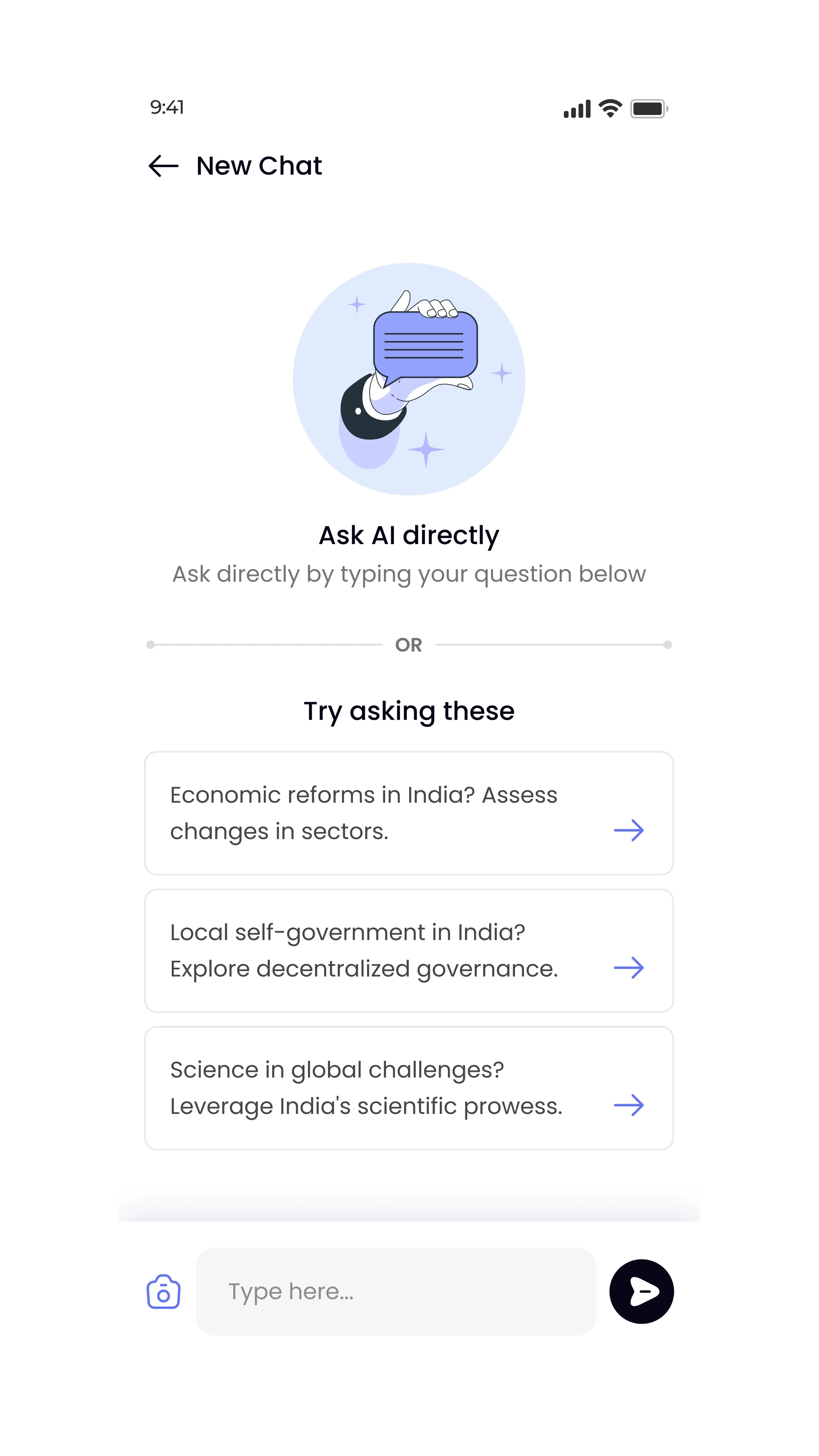
We're PadhAI - a free UPSC prep app built by IITians, AI PhDs & top UPSC experts.

Why choose PadhAI?

Read daily top news (TH & IE) & Solve Current Affairs MCQs
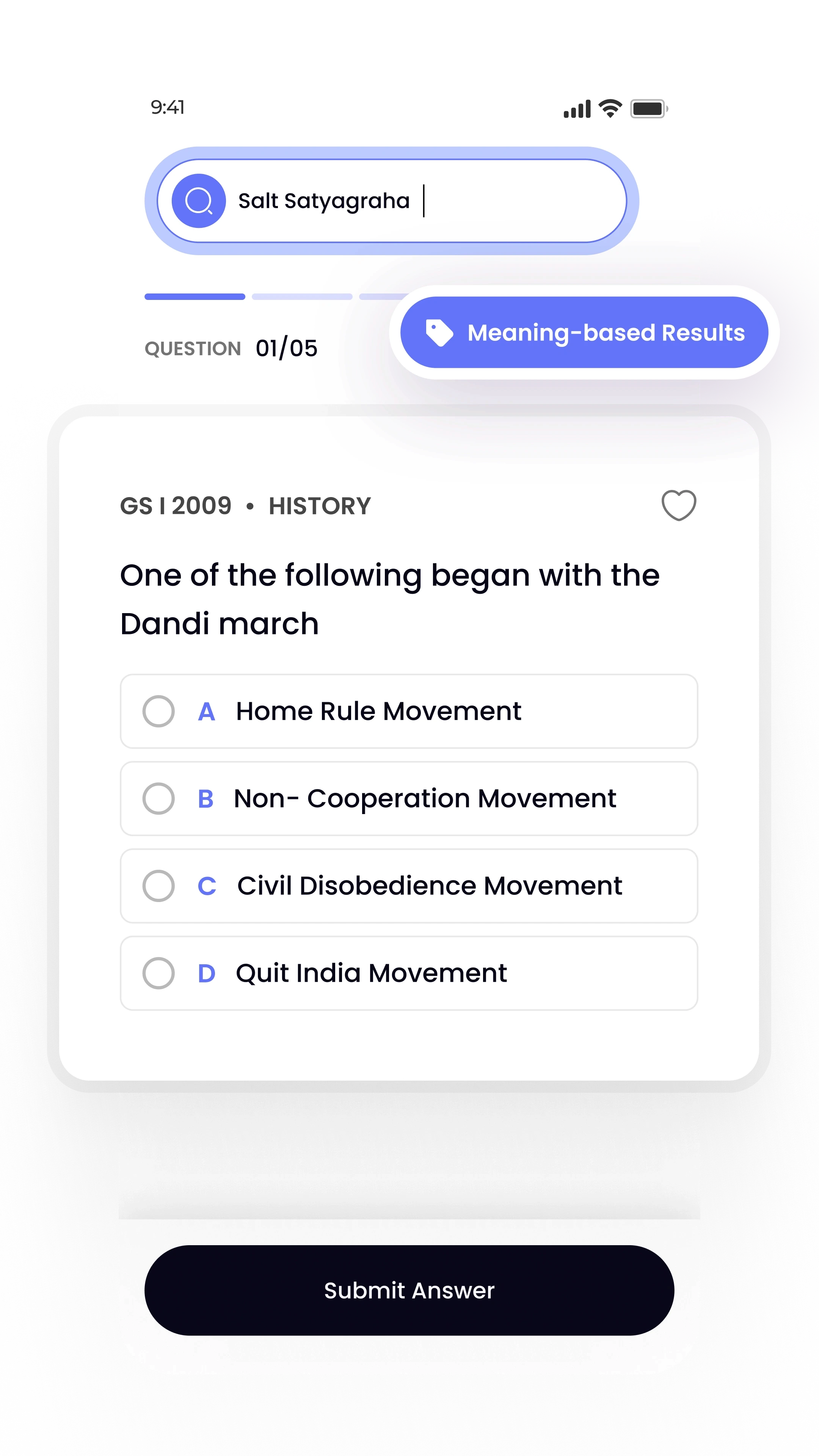
Topic-wise search of 30+ yrs PYQs
24ร—7 AI tutor for doubt resolution
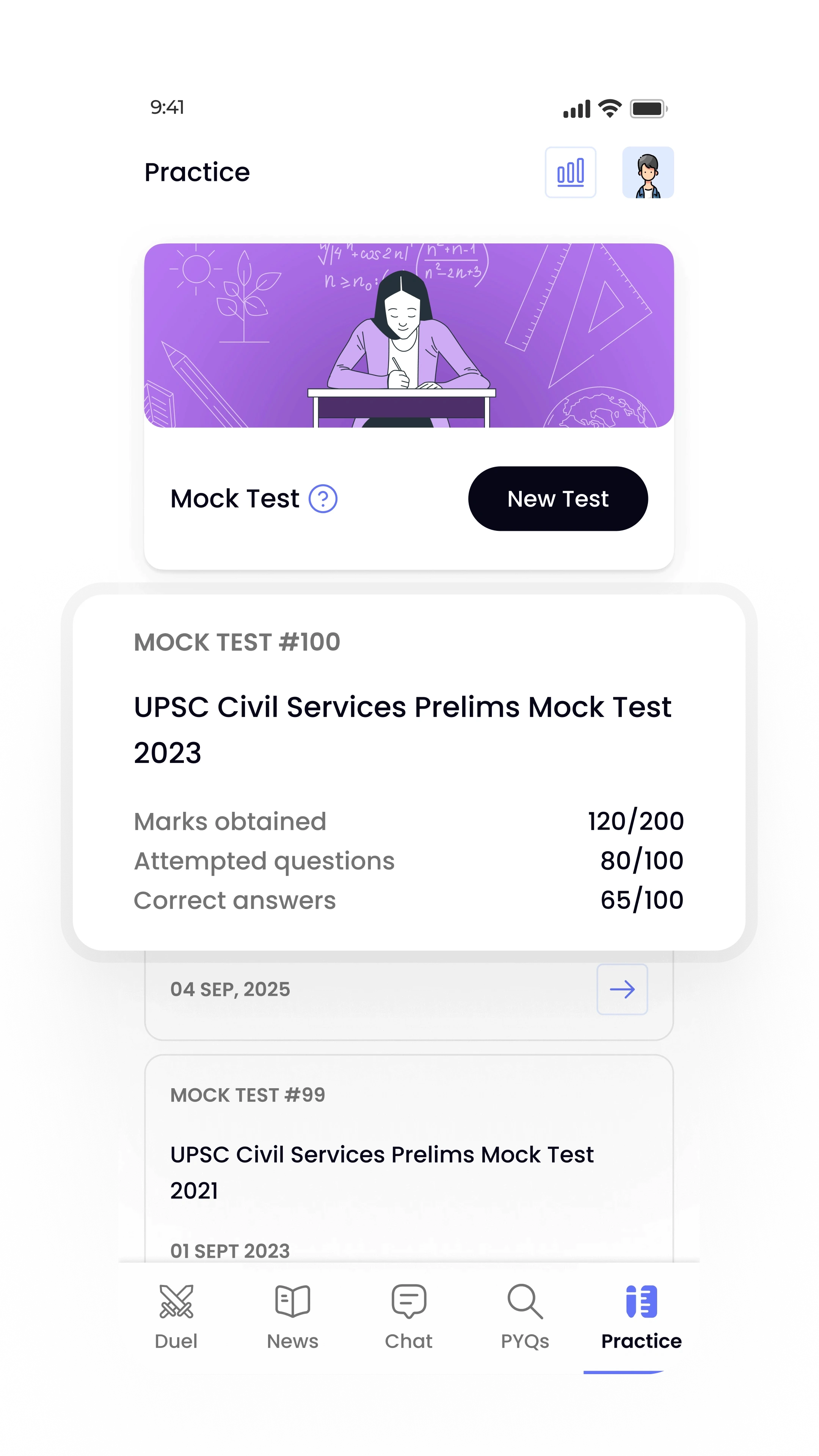
Practice 30k+ MCQs & full GS + CSAT mocks
Play Duel UPSC quizzes with fellow aspirants
Practice 30k+ MCQs & full GS + CSAT mocks
a close up of a cell phone with a blurry background

PadhAI Editorial Team

Content & Research | PadhAI by SigIQ.ai
The PadhAI Editorial Team writes and reviews everything you read on padhai.ai: daily and monthly current affairs, static subject notes, magazines, exam notifications, previous year paper analysis and answer keys. The desk is led by Gajendra Singh Godara and Kartikey Mishra, with Naman and Vishwajeet writing across the syllabus. Team coverage includes Geography, Environment and Ecology, Science and Technology, Ancient and Medieval History, Art and Culture, Governance and Social Justice, Ethics and CSAT. Polity, Modern History, International Relations and Economy are covered by Gajendra. Every article is checked against official sources such as UPSC notifications, PIB, ministry releases and the Economic Survey, and is updated whenever the source changes.
a close up of a cell phone with a blurry background

PadhAI Editorial Team

Content & Research | PadhAI by SigIQ.ai

The PadhAI Editorial Team writes and reviews everything you read on padhai.ai: daily and monthly current affairs, static subject notes, magazines, exam notifications, previous year paper analysis and answer keys. The desk is led by Gajendra Singh Godara and Kartikey Mishra, with Naman and Vishwajeet writing across the syllabus. Team coverage includes Geography, Environment and Ecology, Science and Technology, Ancient and Medieval History, Art and Culture, Governance and Social Justice, Ethics and CSAT. Polity, Modern History, International Relations and Economy are covered by Gajendra. Every article is checked against official sources such as UPSC notifications, PIB, ministry releases and the Economic Survey, and is updated whenever the source changes.

Latest UPSC Exam 2026 Updates

View the complete exam schedule, including Prelims, Mains, and Personality Test dates.
Check category-wise cutoff marks for the UPSC CSE 2026 Preliminary Examination.
View the final list of recommended candidates for the UPSC Civil Services Examination 2026.
The final list of selected candidates for UPSC CSE 2025 is now available.
Check the category-wise cut-off marks for the UPSC Civil Services Examination 2025.
The official schedule for UPSC examinations in 2026 has been released on 15 May 2025.
The results of the UPSC Civil Services Mains Examination 2025 have been officially released.
Check the updated and latest syllabus for the UPSC Civil Services Examination 2026.
The official notification for the UPSC Civil Services Examination 2025 was released on 22 January 2025.
Access the UPSC Prelims 2025 question paper along with the unofficial answer key.

UPSC Exam Dates 2026

UPSC Prelims 2026 will be held on 24 May 2026, and UPSC Mains 2026 will begin on 21 August 2026.

UPSC Selection Process

The UPSC Civil Services selection process consists of three stages: Prelims, Mains, and the Interview.

UPSC Result 2024 & Marksheet

The UPSC Civil Services Result 2024 has been released along with the official marksheet.

Join the discussion

No comments yet. Be the first to join the discussion!

Why choose PadhAI?

Read daily top news (TH & IE) & Solve Current Affairs MCQs

Topic-wise search of 30+ yrs PYQs

24ร—7 AI tutor for doubt resolution

Practice 30k+ MCQs & full GS + CSAT mocks

Play Duel UPSC quizzes with fellow aspirants

PadhAI UPSC App

We're PadhAI - a free UPSC prep app built by IITians, AI PhDs & top UPSC experts.

Why choose PadhAI?

Read daily top news (TH & IE) & Solve Current Affairs MCQs

Topic-wise search of 30+ yrs PYQs

24ร—7 AI tutor for doubt resolution

Practice 30k+ MCQs & full GS + CSAT mocks

Play Duel UPSC quizzes with fellow aspirants

PadhAI UPSC App

We're PadhAI - a free UPSC prep app built by IITians, AI PhDs & top UPSC experts.

Suggested articles

Suggested articles

Content

Content

Content

Content

Content

Content

Content

Don't get left behind on your UPSC prep

Don't get left behind on your UPSC prep

Don't get left behind on your UPSC prep

UPSC News

UPSC Resources

UPSC updates

General studies

UPSC Preparation

UPSC News
UPSC Resources
UPSC updates
General studies
UPSC Preparation