India's Role in the Global Energy Transition

India's energy demand is set to grow 2.5% annually through 2035, driven by urbanisation and industrialisation. Learn about India's role in the global.
  • GS 3: Economic Development
  • GS-III Economic Development
  • GS-III Environment and Ecology
  • GS-II International Relations

PadhAI Editorial Team

The Hindu
13
mins Reading time
Add a comment

Join our WhatsApp Community

Why Is Global Energy Order in the News?

The global energy order is undergoing a shift due to disruptions like climate change, geopolitical conflicts, and the rise of renewable energy. The International Energy Agency (IEA) has highlighted 2026 as a year of unprecedented disruption in its World Energy Outlook.

Key Highlights of the Global Energy Order Shift

  • Global energy demand has tripled in 50 years, with Asia leading the growth.

  • Fossil fuels supplied 86.2% of global primary energy in 2025, with oil at 33.5%.

  • Anthropogenic fossil-fuel burning is the main cause of global warming, with a projected 2.5ยฐC rise by 2100.

  • Renewables and low-emission sources are expected to supply half of global electricity by 2035.

  • India's energy demand is growing at 2.5% annually, three times the global rate.

Fossil Fuels and Renewable Energy: Basics to Know

  • Fossil fuels: Natural resources like coal, oil, and natural gas formed from ancient organic matter, used for energy production.

  • Renewable energy: Energy from sources like solar, wind, and hydro that are naturally replenished and sustainable.

  • Energy security: The uninterrupted availability of energy at affordable prices, ensuring economic stability and growth.

  • International Energy Agency (IEA): An organisation providing policy advice on energy security, economic development, and environmental sustainability.

Global Energy Order Shift Explained

Fossil-fuel dependence and its consequences

  • Fossil fuels cause pollution, climate change, and geopolitical conflicts, such as those in the Gulf and central Europe.

  • Current investments in hydrocarbons mainly offset declining production, with limited focus on long-term sustainability.

Renewables and the energy transition

  • Annual investments of $500 billion since 2022 have boosted renewable energy and efficiency.

  • Renewables now account for about one-third of global electricity generation, projected to reach one-half by 2035.

India's energy dynamics

  • India is the third-largest primary-energy consumer globally, with a growing demand driven by urbanisation and industrialisation.

  • Despite renewable capacity exceeding half of its power-generation capacity, 70% of India's electricity still comes from fossil fuels.

  • India's energy independence by 2047 requires reducing oil and gas imports, increasing electrification, and improving energy efficiency.

Significance of India's Role in the Global Energy Transition

  • India is the largest driver of global energy-demand growth through 2035, influencing global energy policies and markets.

  • Its transition to renewables could serve as a model for balancing development with sustainability in the Global South.

  • UPSC could test this topic under energy security, climate change, or international energy cooperation in GS-II and GS-III.

  • India's energy strategy will impact its economic growth, environmental goals, and geopolitical positioning.

Challenges in Energy Security and Sustainability

  • High dependence on energy imports, with 90% of crude oil and 50% of natural gas sourced externally.

  • Rising energy demand due to urbanisation, industrialisation, and increased use of vehicles and air conditioners.

  • Geopolitical disruptions like the Strait of Hormuz crisis threaten energy supply chains.

  • Balancing economic growth with environmental sustainability remains a complex challenge.

Way Forward for Energy Security and Sustainability

  • The government must prioritise renewable energy investments and accelerate the transition to low-carbon sources.

  • India should diversify energy imports and develop domestic reserves to reduce dependency on volatile regions.

  • Policymakers must focus on long-term strategies for energy efficiency and sustainable urbanisation.

  • International cooperation is essential for technology transfer and financing clean-energy initiatives.

PYQs (Prelims)

Question 1 of 3

Question 1UPSC Prelims 2012

To meet its rapidly growing energy demand, some opine that India should pursue research and development on thorium as the future fuel of nuclear energy. In this context what advantage does thorium hold over uranium?

  1. Thorium is far more abundant in nature than uranium.

  2. On the basis per unit mass of mined mineral, thorium can generate more energy compared to natural uranium.

  3. Thorium produces less harmful waste compared to uranium.

Correct

Select an option to check your answer.

Prelims Practice Quiz

Consider the following statements about India's energy demand:

How many of the above statements are correct?

  1. 1India's energy demand is projected to grow at 2.5% annually through 2035.
  2. 2India imports 90% of its natural gas requirements.
  3. 3Electricity forms 22% of India's final energy consumption.
Select an option to check your answer.

Frequently Asked Questions

Have questions about this article? Find answers to everything you need to know.

Q1

What is the global energy order?

The global energy order refers to the structure and dynamics of energy production, distribution, and consumption worldwide, including fossil fuels and renewables.

Q2

Q2

What is India's role in the global energy transition?

India is the third-largest energy consumer and the largest driver of global energy-demand growth through 2035, with a focus on renewables and electrification.

Q3

Q3

How dependent is India on energy imports?

India imports about 40% of its energy needs, including 90% of crude oil and 50% of natural gas, making it highly dependent on imports.

UPSC Current Affairs Magazines

Read Latest UPSC Current Affairs

Read Latest UPSC Current Affairs

Add as a preferred Source on Google

Suggested blogs

Content

27-nov-2026-india-china-border-infrastructure

Content

sc-warning-labels-mandatory-on-high-fat-foods-41839

Content

26-nov-2026-jammu-kashmir-counter-insurgency

PadhAI UPSC App

We're PadhAI - a free UPSC prep app built by IITians, AI PhDs & top UPSC experts.

Why choose PadhAI?

Read daily top news (TH & IE) & Solve Current Affairs MCQs
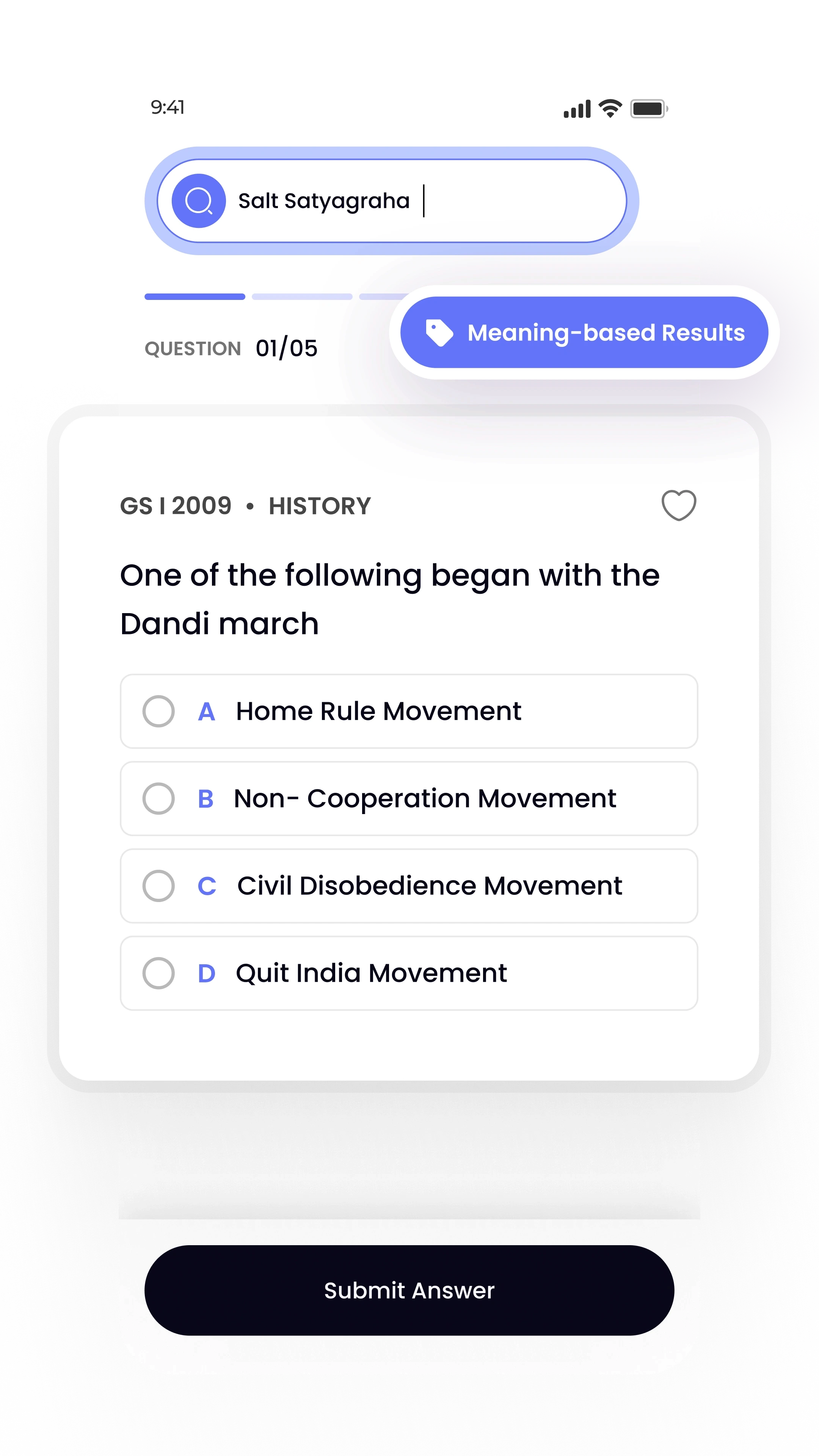
Topic-wise search of 30+ yrs PYQs
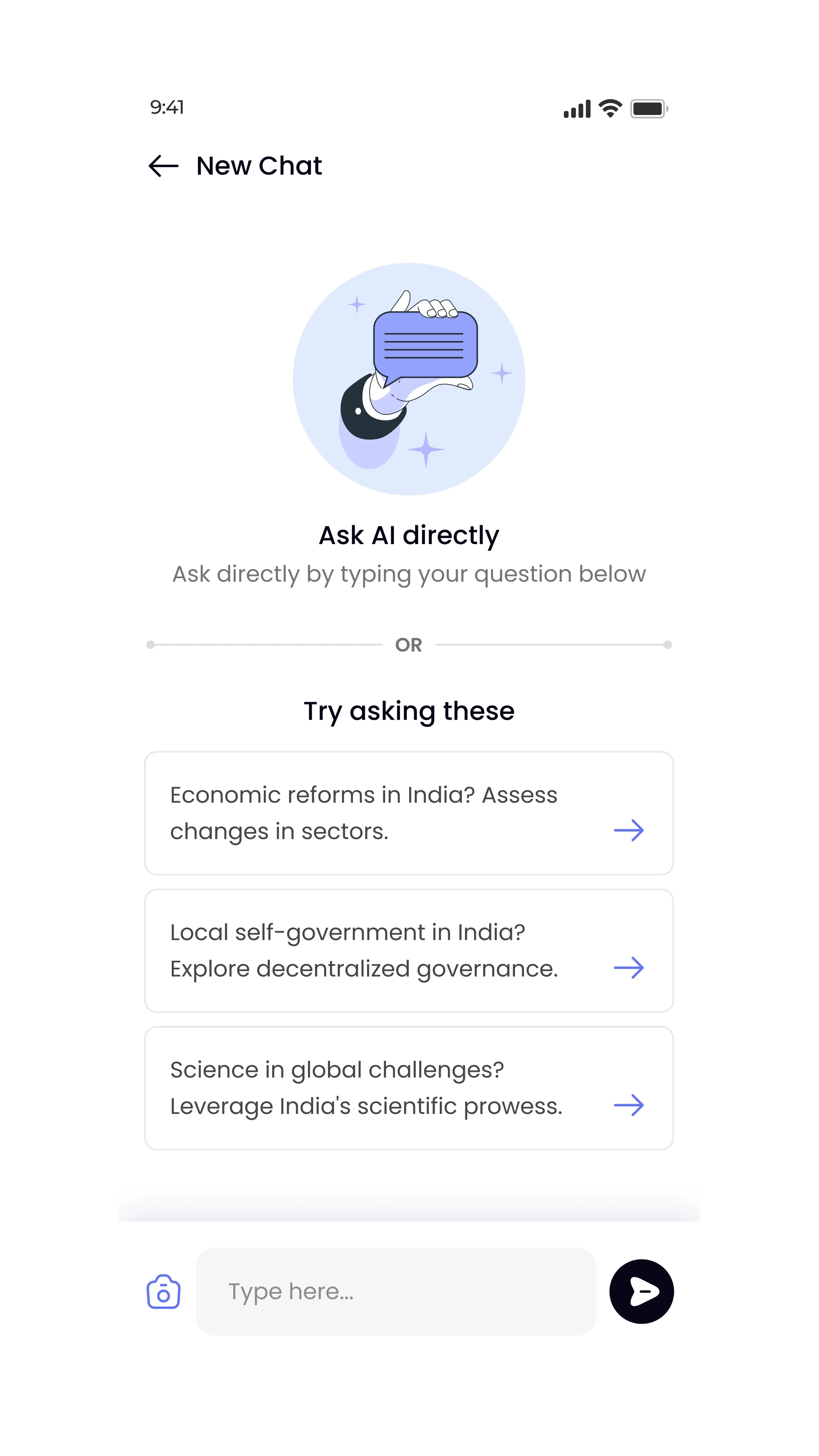
24ร—7 AI tutor for doubt resolution
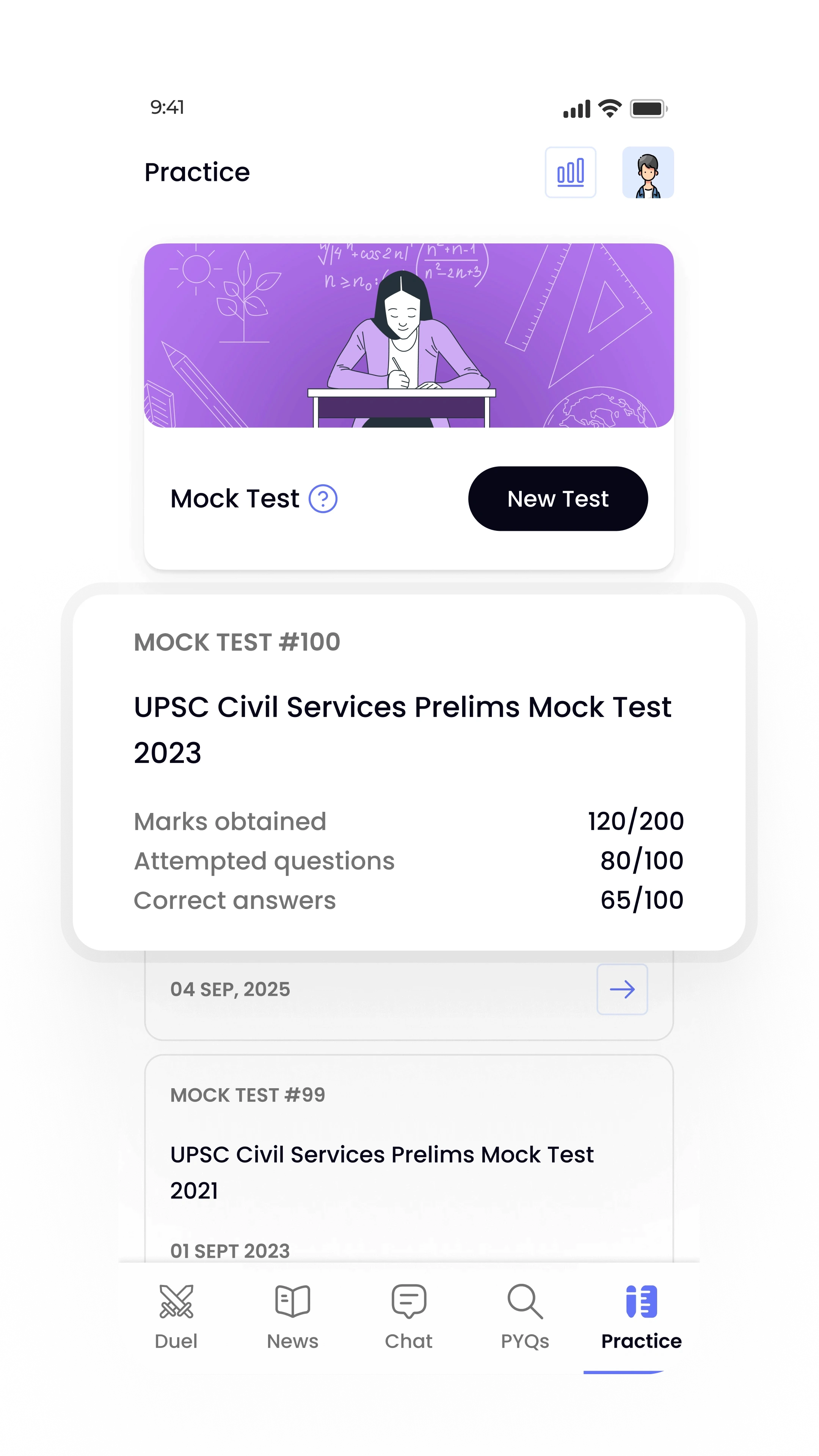
Practice 30k+ MCQs & full GS + CSAT mocks
Play Duel UPSC quizzes with fellow aspirants
Practice 30k+ MCQs & full GS + CSAT mocks
a close up of a cell phone with a blurry background

PadhAI Editorial Team

Content & Research | PadhAI by SigIQ.ai
The PadhAI Editorial Team writes and reviews everything you read on padhai.ai: daily and monthly current affairs, static subject notes, magazines, exam notifications, previous year paper analysis and answer keys. The desk is led by Gajendra Singh Godara and Kartikey Mishra, with Naman and Vishwajeet writing across the syllabus. Team coverage includes Geography, Environment and Ecology, Science and Technology, Ancient and Medieval History, Art and Culture, Governance and Social Justice, Ethics and CSAT. Polity, Modern History, International Relations and Economy are covered by Gajendra. Every article is checked against official sources such as UPSC notifications, PIB, ministry releases and the Economic Survey, and is updated whenever the source changes.
a close up of a cell phone with a blurry background

PadhAI Editorial Team

Content & Research | PadhAI by SigIQ.ai

The PadhAI Editorial Team writes and reviews everything you read on padhai.ai: daily and monthly current affairs, static subject notes, magazines, exam notifications, previous year paper analysis and answer keys. The desk is led by Gajendra Singh Godara and Kartikey Mishra, with Naman and Vishwajeet writing across the syllabus. Team coverage includes Geography, Environment and Ecology, Science and Technology, Ancient and Medieval History, Art and Culture, Governance and Social Justice, Ethics and CSAT. Polity, Modern History, International Relations and Economy are covered by Gajendra. Every article is checked against official sources such as UPSC notifications, PIB, ministry releases and the Economic Survey, and is updated whenever the source changes.

Latest UPSC Exam 2026 Updates

View the complete exam schedule, including Prelims, Mains, and Personality Test dates.
Check category-wise cutoff marks for the UPSC CSE 2026 Preliminary Examination.
View the final list of recommended candidates for the UPSC Civil Services Examination 2026.
The final list of selected candidates for UPSC CSE 2025 is now available.
Check the category-wise cut-off marks for the UPSC Civil Services Examination 2025.
The official schedule for UPSC examinations in 2026 has been released on 15 May 2025.
The results of the UPSC Civil Services Mains Examination 2025 have been officially released.
Check the updated and latest syllabus for the UPSC Civil Services Examination 2026.
The official notification for the UPSC Civil Services Examination 2025 was released on 22 January 2025.
Access the UPSC Prelims 2025 question paper along with the unofficial answer key.

UPSC Exam Dates 2026

UPSC Prelims 2026 will be held on 24 May 2026, and UPSC Mains 2026 will begin on 21 August 2026.

UPSC Selection Process

The UPSC Civil Services selection process consists of three stages: Prelims, Mains, and the Interview.

UPSC Result 2024 & Marksheet

The UPSC Civil Services Result 2024 has been released along with the official marksheet.

Join the discussion

No comments yet. Be the first to join the discussion!

Why choose PadhAI?

Read daily top news (TH & IE) & Solve Current Affairs MCQs

Topic-wise search of 30+ yrs PYQs

24ร—7 AI tutor for doubt resolution

Practice 30k+ MCQs & full GS + CSAT mocks

Play Duel UPSC quizzes with fellow aspirants

PadhAI UPSC App

We're PadhAI - a free UPSC prep app built by IITians, AI PhDs & top UPSC experts.

Why choose PadhAI?

Read daily top news (TH & IE) & Solve Current Affairs MCQs

Topic-wise search of 30+ yrs PYQs

24ร—7 AI tutor for doubt resolution

Practice 30k+ MCQs & full GS + CSAT mocks

Play Duel UPSC quizzes with fellow aspirants

PadhAI UPSC App

We're PadhAI - a free UPSC prep app built by IITians, AI PhDs & top UPSC experts.

Suggested articles

Suggested articles

Content

Content

Content

Content

Content

Content

Content

Don't get left behind on your UPSC prep

Don't get left behind on your UPSC prep

Don't get left behind on your UPSC prep

UPSC News

UPSC Resources

UPSC updates

General studies

UPSC Preparation

UPSC News
UPSC Resources
UPSC updates
General studies
UPSC Preparation