Sitharaman on Budget, Growth and Economic Challenges
Finance Minister Sitharaman discussed Budget priorities, economic challenges, foreign capital, MSMEs, and regulatory reforms at the FE Leadership Awards.
- GS 3: Economic Development
- GS-III Economic Development
The Indian Express
14
mins Reading time
Add a comment

Join our WhatsApp Community
Why in the News?
Finance Minister Nirmala Sitharaman addressed the FE Leadership Awards on 2 November 2026, discussing Budget priorities, economic challenges, foreign capital, MSMEs, regulatory reforms, and private investment.
Key Highlights
Sitharaman is preparing her 10th consecutive Budget, emphasising extensive consultations and public concerns.
She credited policy consistency and Prime Minister Modi's leadership for economic stability since her first Budget in July 2019.
GST collections grew 23% year-on-year in October, reflecting sustained consumption trends.
Revised MSME definitions enable micro enterprises to scale while retaining benefits; MSMEs contribute 40% of India's exports.
India recorded its highest investment inflows in 2023-24, despite taxation concerns among equity-market participants.
GST 2.0 reforms unveiled in September 2025 increased business confidence and visibility of consumption demand.
Know the Basics
Budget: Annual financial statement of estimated receipts and expenditure presented under Article 112 of the Constitution.
GST: Indirect tax replacing multiple taxes, aimed at simplifying tax structure and promoting a unified market.
MSMEs: Micro, Small and Medium Enterprises defined by investment and turnover thresholds, contributing significantly to exports and employment.
Detailed Analysis
Budget Process and Economic Stability
Sitharaman highlighted the evolution of Budget-making since 2019, stressing consultations and public concerns.
She credited policy consistency and leadership for maintaining economic and political stability.
GST Collections and Consumption Trends
October's 23% year-on-year GST growth reflects India's robust consumption story.
GST 2.0 reforms have improved transparency in consumption and demand, boosting business confidence.
MSMEs and Export Contribution
Revised MSME definitions allow enterprises to scale while retaining benefits, supporting growth and exports.
MSMEs contribute 40% of India's exports, showcasing their importance to the economy.
Foreign Investment and Equity Market Concerns
India recorded its highest investment inflows in 2023-24, despite unchanged taxation structures.
Concerns over US Treasury returns exceeding 5% and rupee weakness are being addressed.
Regulatory Reforms and Ease of Doing Business
The Department of Expenditure reviews procurement rules to improve transparency and reduce discretion.
COVID-era changes like hybrid AGMs and modified guarantees have been retained to support businesses.
Significance for India
MSME reforms and GST 2.0 are critical for export growth and job creation.
Foreign investment policies balance domestic and international investor interests, ensuring sustained capital inflows.
UPSC could test the evolution of the Budget process and its role in economic stability.
Regulatory reforms and ease of doing business initiatives align with India's economic growth goals.
Challenges
Private investment recovery remains selective across sectors, requiring targeted measures.
Concerns over corporate concentration and regulatory arbitrage need deeper examination.
Equity markets face challenges from global financial conditions and rupee depreciation.
Way Forward
The Finance Ministry should strengthen job-readiness initiatives to address industry skill gaps.
Policymakers must ensure balanced support for equity markets and bond markets.
Industry leaders should actively engage with the government to evaluate reform outcomes.
State and Union governments must collaborate to address regulatory arbitrage and uneven enforcement.
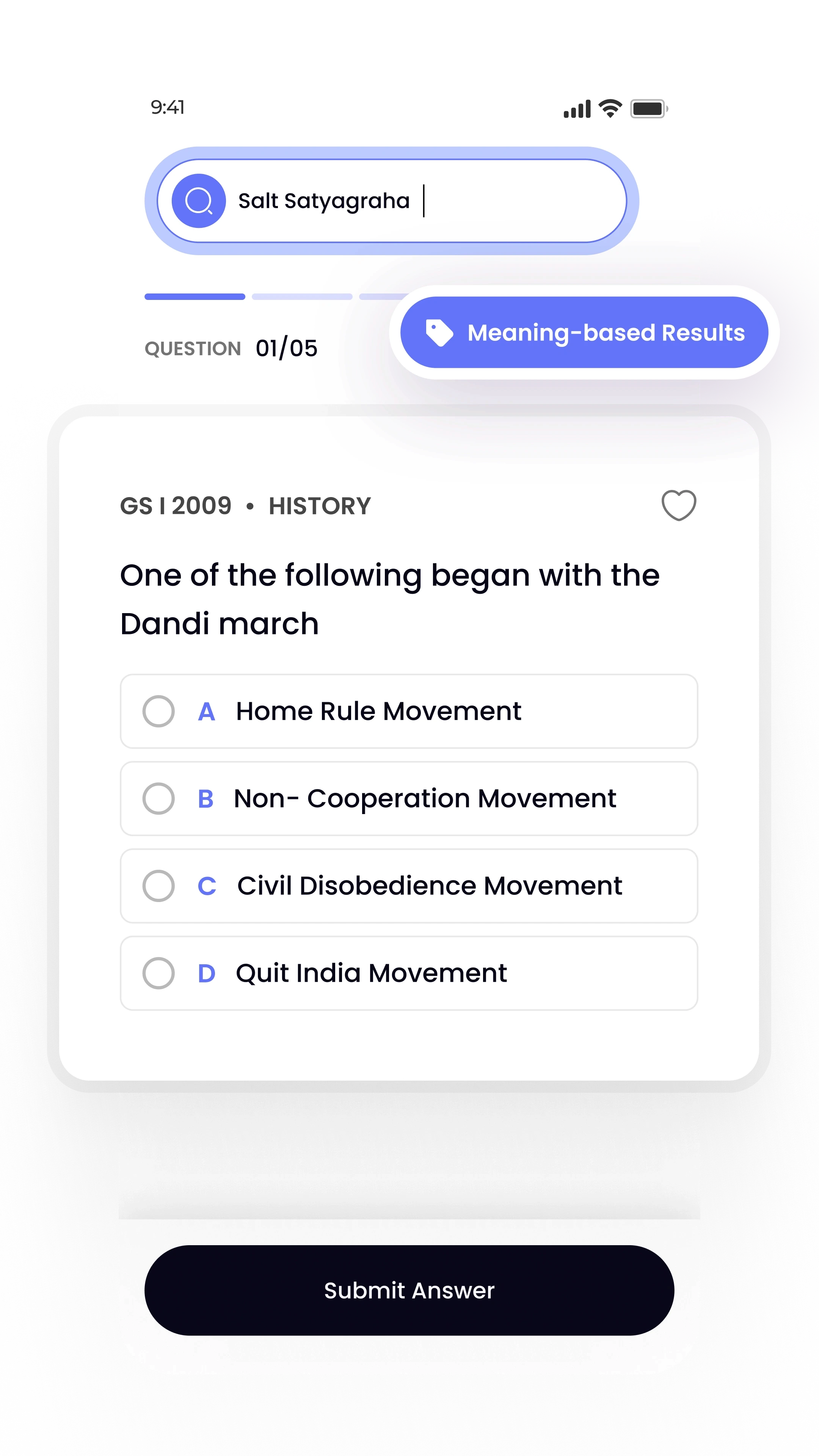
PYQs (Prelims)
Question 1 of 3
Your Score: 0/3
Prelims Practice Quiz
Consider the following statements about GST and MSMEs:
How many of the above statements are correct?
- 1GST collections grew 23% year-on-year in October 2026.
- 2MSMEs contribute 30% of India's exports.
- 3Revised MSME definitions allow scaling while retaining benefits.
Frequently Asked Questions
Have questions about this article? Find answers to everything you need to know.
Q1
What is the Budget process in India?
The Budget process involves preparing an annual financial statement of estimated receipts and expenditure, presented under Article 112 of the Constitution of India.
What are MSMEs and their contribution to India's economy?
MSMEs are Micro, Small and Medium Enterprises, contributing 40% of India's exports and playing a key role in employment generation and economic growth.
What are GST 2.0 reforms?
GST 2.0 reforms, unveiled in September 2025, aim to improve transparency in consumption and demand, boosting business confidence and economic visibility.
Add as a preferred Source on Google


No comments yet. Be the first to join the discussion!