Hantavirus Disease, Transmission, Symptoms, Prevention
Hantavirus is a zoonotic pathogen that causes acute respiratory conditions. This guide covers transmission methods, risk factors, and available medical care.

Gajendra Singh Godara
Last updated
mins read
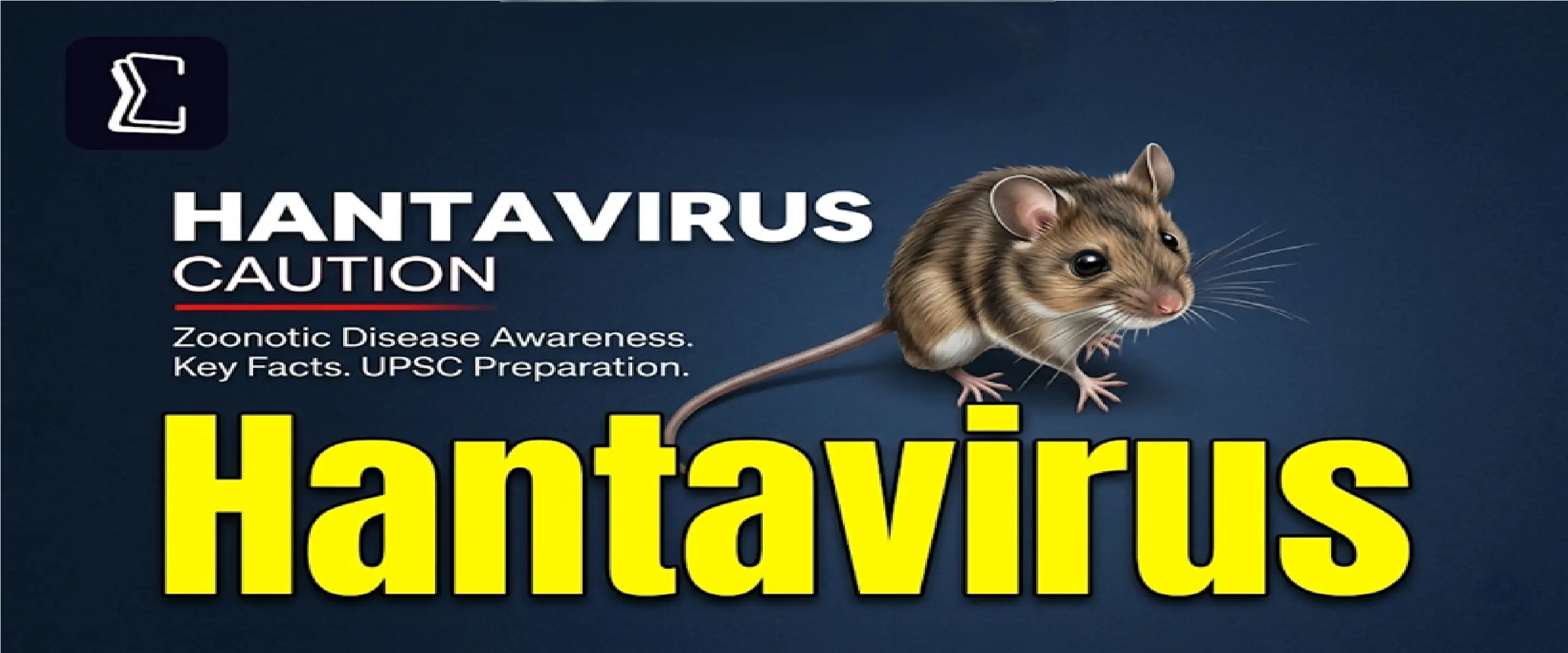
Zoonotic outbreaks present continuous challenges to global public health systems. A recent outbreak on the Dutch cruise ship MV Hondius off the coast of Cape Verde infected several passengers. This incident highlights the rapid transmission risks associated with rodent-borne pathogens.
Readers will learn the precise mechanisms of viral spread from animal hosts to humans. We detail the clinical progression of the illness from initial flu-like signs to severe respiratory distress.
Hantavirus is a zoonotic virus that originates in rodents and causes severe human illnesses. The pathogen transmits through the inhalation of aerosolized particles from infected animal waste.
Different viral strains associate with distinct rodent hosts across various geographical regions. The deer mouse acts as the primary carrier for the most common disease-causing strain.
The United States Centers for Disease Control and Prevention notes that the pathogen exists within the saliva, urine, and droppings of these animals.
Join our WhatsApp Community
The virus triggers two primary medical conditions in infected humans. These conditions target different organ systems based on the particular viral strain.
Does Hantavirus Disease Affect the Lungs?
Yes. Hantavirus pulmonary syndrome is a severe respiratory condition. This illness restricts breathing capability as the lungs fill with fluid.
Reports indicate a high mortality rate of approximately 38 to 40 percent for individuals developing these respiratory complications. The syndrome remains endemic to the Western Hemisphere.
Does Hantavirus Infection Impact the Kidneys?
Yes. Hemorrhagic fever with renal syndrome is an acute infection that attacks the renal system. This variant primarily occurs in Europe and Asia. Patients experience low blood pressure, internal bleeding, and sudden kidney failure.
The hantavirus life cycle relies entirely on rodent populations for survival and replication. The animals excrete the virus into the environment without showing signs of illness themselves.
Humans contract the disease by inhaling dust contaminated with dried rodent waste during activities like sweeping. According to The Hindu, global cases reach an estimated 150,000 to 200,000 annually.
Is Human-to-Human Transmission Common?
No. The pathogen rarely spreads between people. The Andes virus in Argentina and Chile stands as the only strain with documented cases of human-to-human transmission.
Add as a preferred Source on Google
The clinical signs of the illness emerge in distinct phases. The incubation period lasts between one and eight weeks after initial exposure.
The typical progression of hantavirus symptoms is listed below:
Early Phase: Patients experience fatigue, muscle aches, and fever.
Secondary Phase: Four to ten days later, individuals develop severe coughing and shortness of breath.
Medical professionals diagnose the condition using a Polymerase Chain Reaction test. This testing method matches the diagnostic approach used for other viral infections like Covid-19.
There is no specific hantavirus treatment or antiviral cure. Doctors rely strictly on supportive medical care. This care includes oxygen therapy and mechanical ventilation to maintain lung function during critical periods.
High-risk environments create natural hantavirus anxiety among distinct populations. Farmers, construction workers, and campers face elevated exposure risks. Immunocompromised individuals, pregnant women, and young children must strictly avoid rodent contact.
Prevention relies entirely on direct rodent control. You should seal entry points in homes and maintain strict sanitation protocols to deter animal infestations.
Frequently asked question (FAQs)
What is hantavirus?
How does hantavirus transmission occur?
What are the main hantavirus symptoms?
Is there a specific hantavirus treatment?
Who is at the highest risk for this disease?





Research methodology
PadhAI's research methodology ensures every article is accurate, UPSC-ready, and beginner-friendly. We curate current affairs analysis based on UPSC exam relevance by cross-referencing The Hindu, Indian Express, and PIB. General Studies (GS) topics are drafted from NCERTs and standard books such as M. Laxmikanth, Spectrum, and GC Leong, then reviewed by subject matter experts to eliminate factual errors. Additionally, we update aspirants with verified government exam notifications alongside expert blogs suggesting the best resources, syllabus, and comprehensive Prelims and Mains strategies.


Gajendra Singh Godara is an IIT Bombay graduate and a UPSC aspirant with 4 attempts, including multiple Prelims and Mains appearances. He specializes in Polity, Modern History, International Relations, and Economy. At PadhAI, Gajendra leverages his firsthand exam experience to simplify complex concepts, creating high-efficiency study materials that help aspirants save time and stay focused.
No comments yet. Be the first to join the discussion!