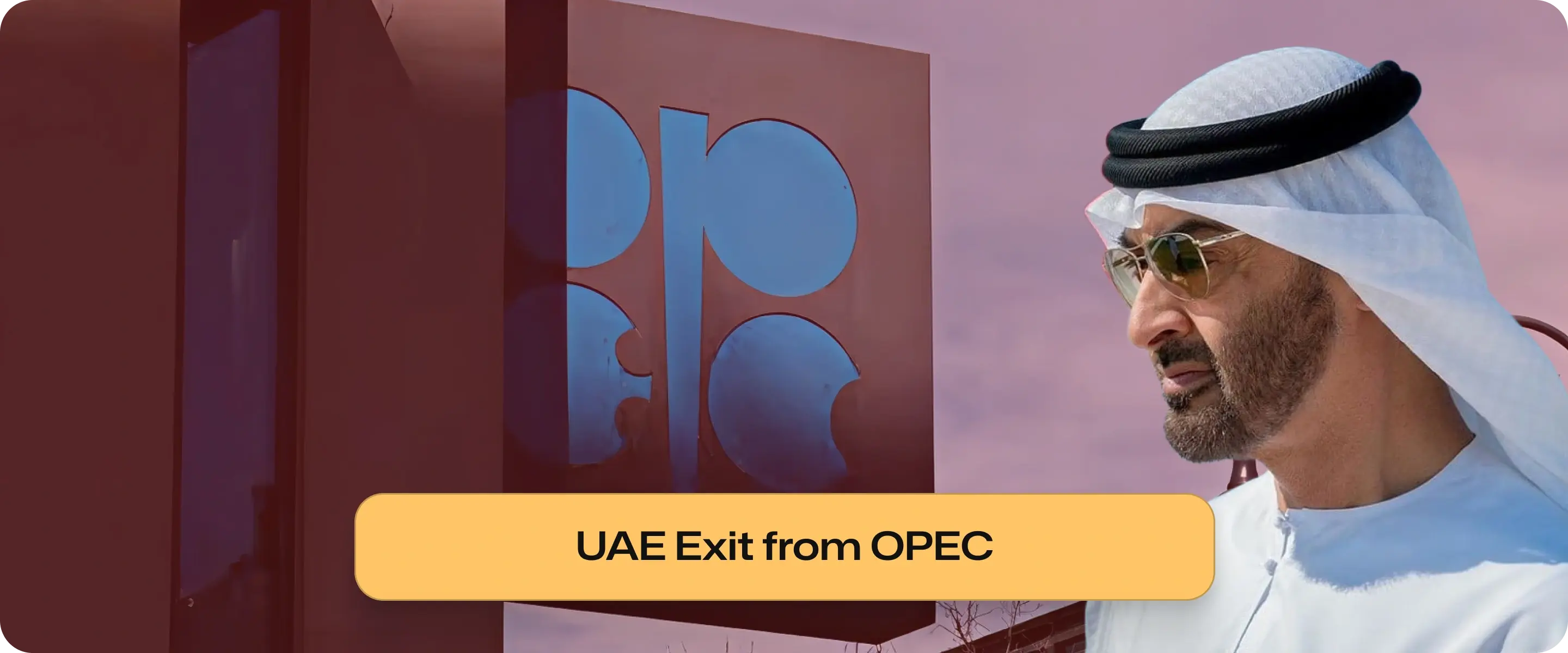
UAE Exit From OPEC | Reason, Impact
The United Arab Emirates left the Organization of the Petroleum Exporting Countries on April 28, 2026. This departure affects global crude oil supplies. PadhAI app users should study these geopolitical shifts for the UPSC exam.

Gajendra Singh Godara
Last updated
4
mins read
Key Highlights
The UAE announced its formal exit on April 28, 2026.
The official withdrawal of the UAE went into effect on May 1, 2026.
The decision grants the nation independent control over its petroleum exports.
This departure removes UAE from all production quota limits.
Global energy systems face constant geopolitical adjustments. The United Arab Emirates recently terminated its membership in the world's largest petroleum cartel.
This decision shifts the balance of power in the Middle East and alters international crude oil pricing.
We examine the effects on market stability, import costs, and regional defense alliances. UPSC candidates can use this analysis to strengthen their international relations knowledge.
The Organization of the Petroleum Exporting Countries is an international group that regulates petroleum policies. The alliance coordinates OPEC oil production quotas to stabilize crude prices worldwide.
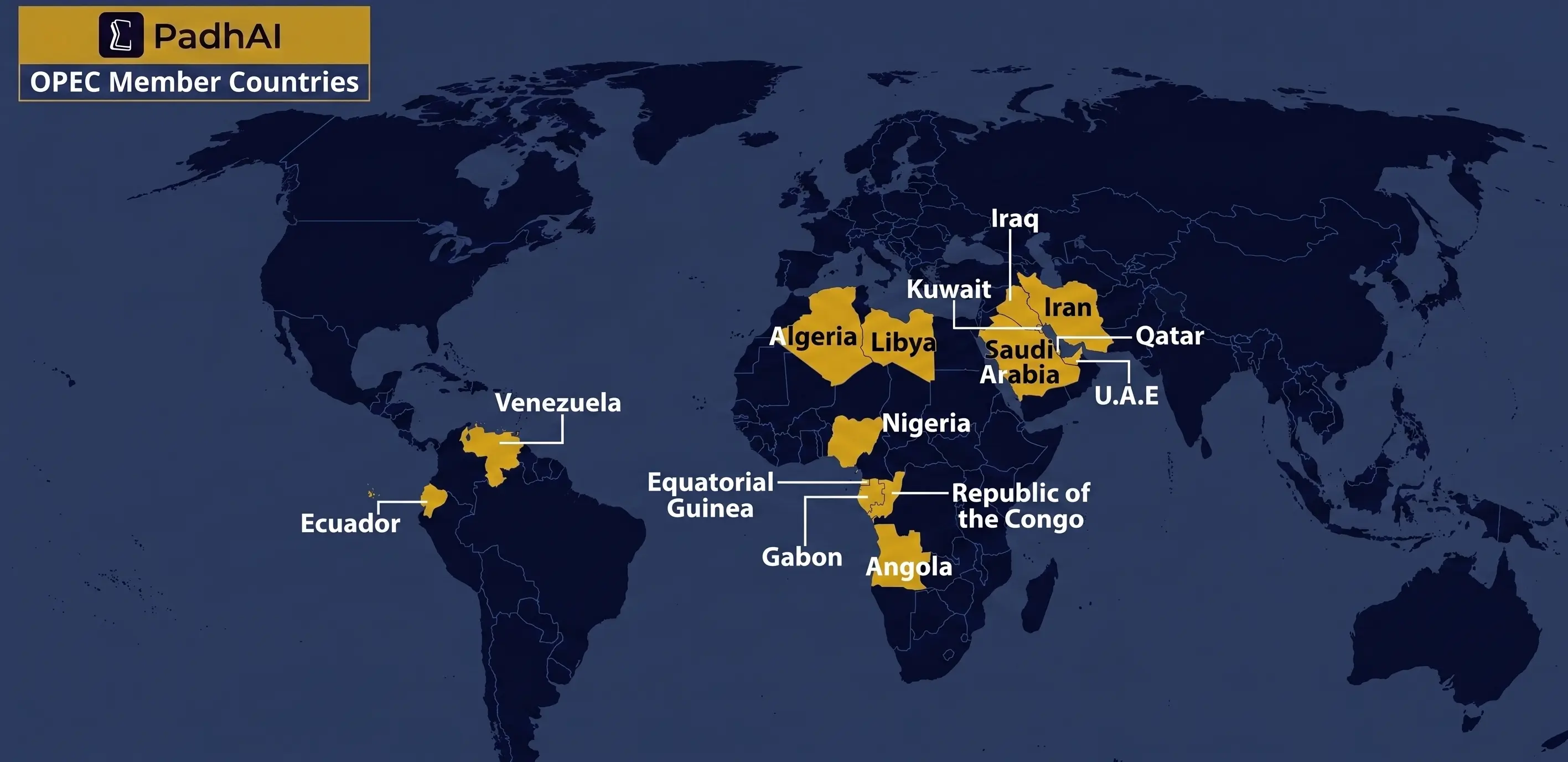
Five founding nations established this group at the Baghdad Conference in September 1960. These founding members include Iran, Iraq, Kuwait, Saudi Arabia, and Venezuela. The organization currently operates from its headquarters in Vienna, Austria.
OPEC+ is an extended alliance that includes ten non-OPEC oil-producing countries. Russia acts as the most prominent non-member in this expanded group. Member nations established this coalition in 2016 when global petroleum prices fell sharply.
This larger group controls roughly 40 percent of global crude oil production and 60 percent of internationally traded petroleum. The core group currently consists of 12 OPEC countries.
Join our WhatsApp Community
The United Arab Emirates formally announced its withdrawal from the cartel on April 28, 2026. The official exit date took effect on May 1, 2026. The news that the UAE leaves OPEC stems from multiple security and economic factors.
Security Concerns and the Strait of Hormuz
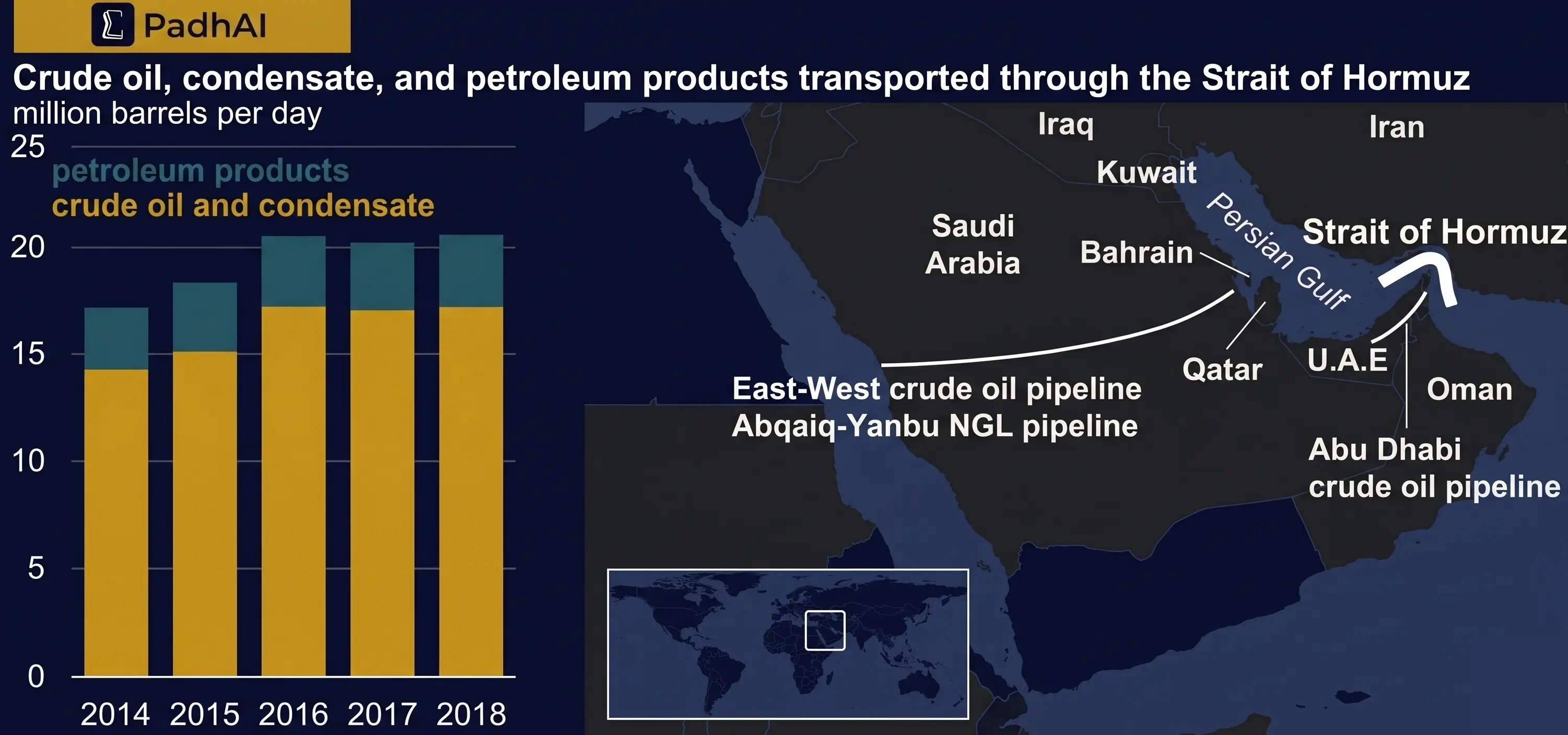
The Strait of Hormuz is a crucial maritime route that handles 20 percent of global crude oil and liquefied natural gas shipments. Iranian threats against commercial ships made this passage highly vulnerable.
The UAE accused neighboring Arab nations of withholding military support during Iranian attacks. Government officials described the responses from the Gulf Cooperation Council and the Arab League as ineffective.
This lack of collective defense motivated the UAE to seek independent security arrangements.
Does the US-Iran Conflict Affect OPEC Oil Production?
Yes. The ongoing conflict between the United States and Iran destabilizes global energy supplies. Iran acts as a founding member of the cartel.
This status limits the ability of the UAE to respond to security threats within the consensus-based framework of the organization.
Gulf nations historically relied on the United States for regional protection. The recent clashes exposed weaknesses in these traditional defense agreements.
Economic Goals and Production Capacity
The UAE economy is a developing system that requires high capital for diversification. The government plans to build a knowledge-based economy focused on education and technology. The cartel imposes strict production quotas on its member states.
These limits forced the UAE to keep its oil output significantly below its maximum capacity. By exiting the group, the nation gains the freedom to maximize its oil exports. Higher short-term revenues will fund the transition away from fossil fuel dependence.
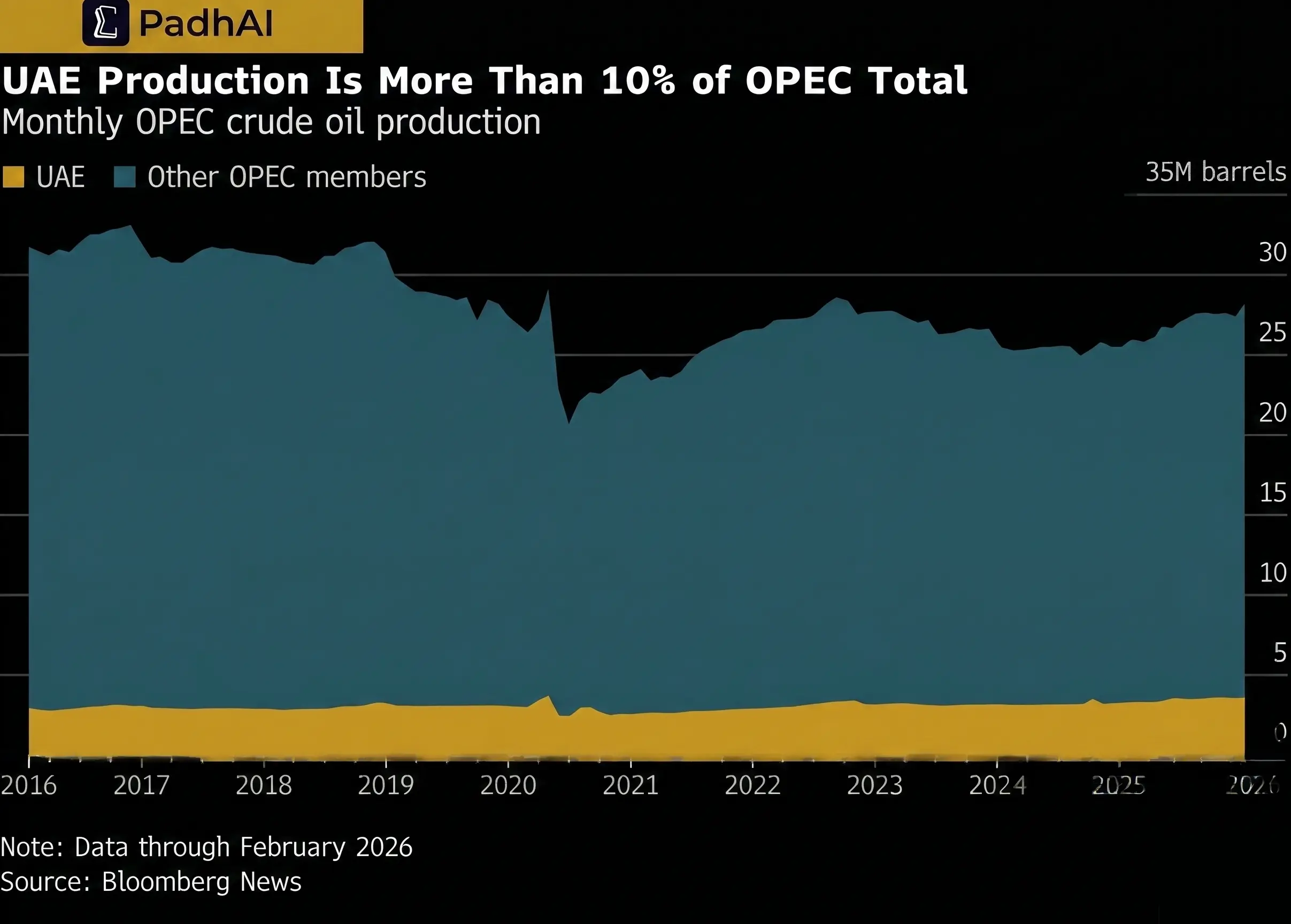
The UAE departure is a geopolitical shift that alters the balance of power among OPEC countries. The UAE held significant spare capacity control alongside Saudi Arabia and Kuwait.
This exit reduces the collective influence of the remaining 12 members. Saudi Arabia may face increased pressure in maintaining its leadership role within the group.
Will This Move Lower Crude Oil Prices?
Yes. Increased market competition typically pushes prices downward. The UAE plans to act as an aggressive independent supplier. This strategy may prompt other nations to ignore their own quota commitments
Lower oil prices benefit importing countries like India by reducing total energy costs. A wider range of independent suppliers improves global energy security over time.
Add as a preferred Source on Google
Frequently asked question (FAQs)
What is OPEC?
When did the UAE leave OPEC?
Why did the nation withdraw from the group?
How does this exit affect OPEC oil production?
Which nations are current OPEC countries?
The withdrawal of the United Arab Emirates disrupts a long-standing alliance among oil-producing nations. On April 28, 2026, the country said it was leaving to take back control of its oil exports. This change happened faster because of security issues near the Strait of Hormuz. Now that the UAE is gone, the cartel can't control prices as much.
Importing countries like India may experience lower energy costs from increased market competition. You can review these geopolitical changes through the PadhAI platform to prepare for upcoming examinations.





Research methodology
PadhAI's research methodology ensures every article is accurate, UPSC-ready, and beginner-friendly. We curate current affairs analysis based on UPSC exam relevance by cross-referencing The Hindu, Indian Express, and PIB. General Studies (GS) topics are drafted from NCERTs and standard books such as M. Laxmikanth, Spectrum, and GC Leong, then reviewed by subject matter experts to eliminate factual errors. Additionally, we update aspirants with verified government exam notifications alongside expert blogs suggesting the best resources, syllabus, and comprehensive Prelims and Mains strategies.


Gajendra Singh Godara is an IIT Bombay graduate and a UPSC aspirant with 4 attempts, including multiple Prelims and Mains appearances. He specializes in Polity, Modern History, International Relations, and Economy. At PadhAI, Gajendra leverages his firsthand exam experience to simplify complex concepts, creating high-efficiency study materials that help aspirants save time and stay focused.
No comments yet. Be the first to join the discussion!